

Halloween
Ultimate Cowgirl Costume Guide for Adults: Styles, Tips & Trends 2025
Jul
Ultimate Cowgirl Costume Guide for Adults: Styles, Tips & Trends 2025
What Is an Adult Cowgirl Costume?
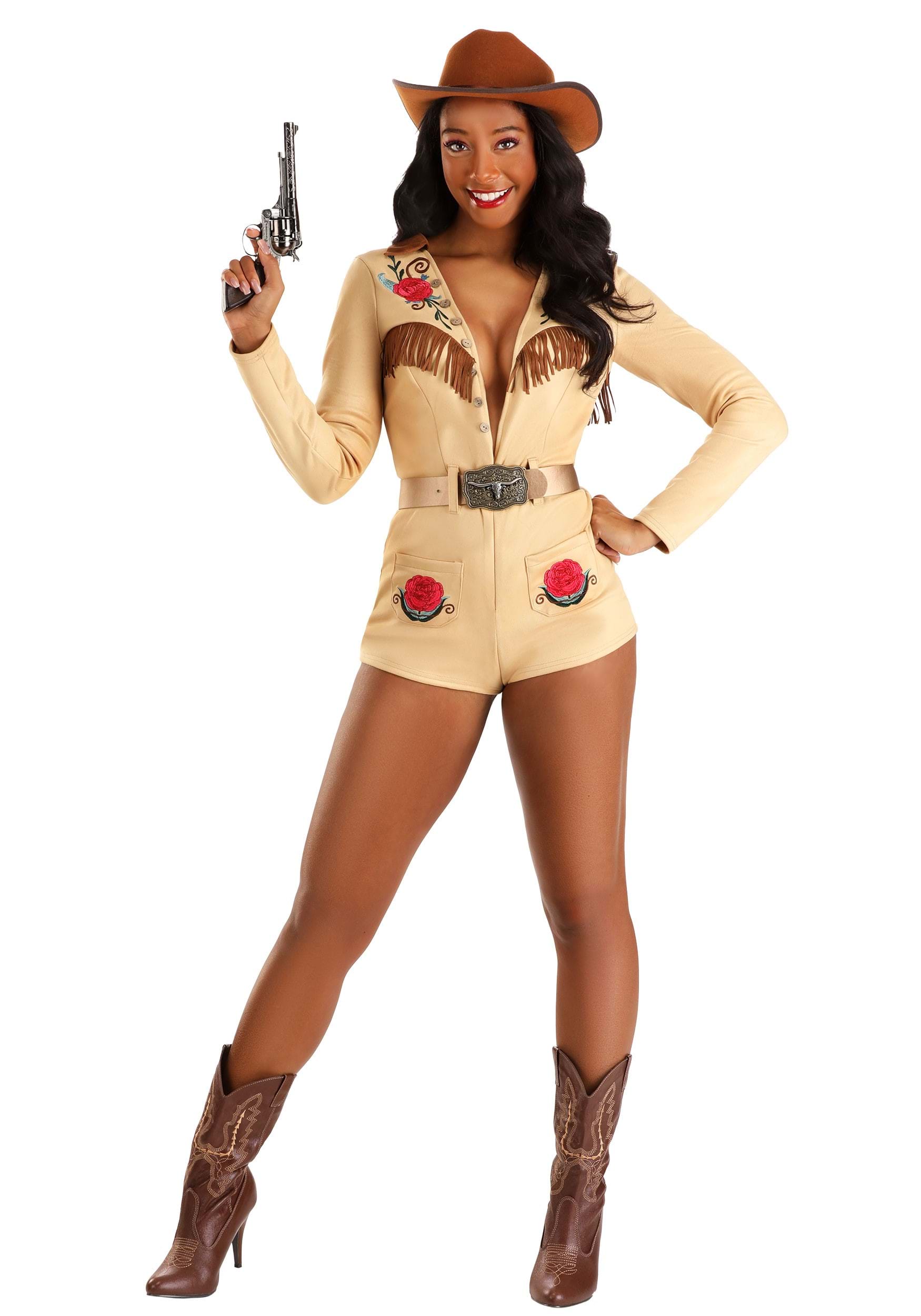
An adult cowgirl costume represents the iconic Western frontier aesthetic adapted specifically for grown women, combining historical elements with contemporary interpretations. Unlike children’s versions that focus on playfulness, adult cowgirl costumes emphasize authenticity, detail, and fit appropriate for mature wearers. These costumes cultivate a distinct persona rooted in American Western heritage while offering versatility for various events.
Core elements defining the cowgirl aesthetic include denim or suede materials, Western-cut shirts with yokes and pearl snaps, fringe details, and earth-toned color palettes. The silhouette typically features fitted tops paired with A-line or straight skirts, or more commonly, jeans or shorts. Authentic hats and boots serve as essential anchoring elements that distinguish genuine cowgirl attire from generic costumes.
The evolution of cowgirl costumes spans from historically accurate recreations based on pioneering women like Annie Oakley to modern interpretations influenced by country music stars like Kacey Musgraves and Maren Morris. This evolution reflects changing perceptions of Western heritage while maintaining recognizable touchstones of the aesthetic. Contemporary cowgirl costumes have gained remarkable popularity for Halloween, Western-themed parties, country music festivals, and costume events where their distinctive silhouette offers immediate recognition and cultural resonance. The adaptability of these costumes—ranging from historically authentic to playfully stylized—contributes significantly to their enduring appeal across diverse social contexts.
Essential Components of an Adult Cowgirl Costume
Creating an authentic cowgirl costume requires attention to specific components that collectively form the distinctive Western aesthetic. Each element contributes to the overall authenticity while allowing for personal interpretation and style preferences.
Foundational Clothing Elements
The core garments of a cowgirl costume begin with the proper top. Traditional Western shirts feature distinctive yokes (shaped panels across the shoulders and chest), pearl snap buttons instead of standard buttons, and often incorporate Western-inspired embroidery or piping. These shirts typically come in cotton or cotton-polyester blends, with premium versions offering 100% cotton construction for breathability and authentic texture. Modern interpretations might include plaid patterns, chambray fabric, or fitted cuts that flatter the feminine silhouette while maintaining Western design elements.
For bottoms, authentic cowgirl costumes traditionally feature boot-cut jeans in medium to dark washes. High-quality denim with a slight stretch component (containing 2-3% elastane) offers both authenticity and comfort for extended wear. Alternative options include denim skirts (typically knee-length with A-line silhouettes), suede skirts with fringe details, or for more contemporary interpretations, denim shorts paired with fishnets or patterned tights. According to costume designer Maria Rodriguez, who specializes in Western wear, “The foundation of any convincing cowgirl costume lies in selecting denim with the right weight and wash—too light, and it reads as casual rather than Western; too dark, and you lose the weathered authenticity that defines the cowgirl aesthetic.”
Dresses represent another option, particularly prairie-style designs with ruffled hems, square necklines, and puff sleeves. These one-piece alternatives simplify costume assembly while maintaining period authenticity. Look for cotton or cotton-blend fabrics in gingham, calico prints, or solid earthy tones for maximum authenticity.
Vests serve as optional layering pieces that enhance the Western silhouette. Traditional materials include suede, leather, sherpa-lined denim, or wool with Western-inspired concho buttons or fringe details. A properly fitted vest adds dimension to the costume while providing practical warmth for outdoor events.
What Are the Must-Have Cowgirl Costume Accessories?
Accessories transform basic Western clothing into a complete cowgirl costume, with certain elements being absolutely essential for authenticity. Each accessory contributes specific historical and cultural significance to the overall look.
The cowgirl hat stands as the single most defining accessory, instantly communicating Western heritage. Traditional options include felt hats (for cooler weather or formal occasions) with 3-4 inch brims and distinctive creases in the crown, or straw hats (for warmer weather or casual looks) with similar profiles. Quality indicators include material weight (18-21 ounces for premium felt hats), hand-shaped brims, and interior sweatbands. While authentic Western hats from brands like Stetson or Resistol typically cost $150-300, costume versions between $25-60 can achieve a convincing silhouette with proper styling.
Western boots represent the second most critical accessory, with genuine cowgirl boots featuring stacked heels (typically 1.5-2 inches), pointed or square toes, and shaft heights between 10-15 inches. Materials range from full-grain leather to exotic skins, with embroidery, inlays, or contrast stitching. While authentic boots from makers like Justin or Ariat range from $150-400, costume versions from fashion retailers offer viable alternatives for occasional wear at $40-90.
Belts complete the essential accessory trio, with traditional Western belts featuring tooled leather, distinctive buckles, and widths between 1-2 inches. Authentic trophy-style buckles with silver or brass finishes and Western motifs add significant authenticity. Expert Lisa Chen notes, “The buckle draws the eye to the waistline and serves as a statement piece—even a simple costume can appear authentic with the right belt and buckle combination.”
Additional accessories that enhance cowgirl authenticity include:
| Accessory | Description | Importance Rating (1-10) |
|———–|————-|————————–|
| Bandana/Wild Rag | Cotton or silk neckerchief in solid colors or paisley patterns | 8 – Historically accurate and highly versatile |
| Western Jewelry | Silver or turquoise pieces, especially squash blossom necklaces | 7 – Adds authentic detail and period accuracy |
| Hair Accessories | Leather ties, concho hair slides, or braided elements | 6 – Completes the full styling experience |
| Lasso/Rope | 1/4 inch cotton rope in 6-10 foot lengths | 5 – Prop element that enhances photographic opportunities |
| Leather Gloves | Work-style gloves with reinforced palms | 4 – Authentic but optional for most costume contexts |
When selecting accessories, prioritize hat and boots as framework elements that establish the cowgirl silhouette, then add other items as budget allows. Vintage stores, Western specialty shops, and even second-hand marketplaces offer authentic options at reasonable price points compared to costume-specific retailers.
8 Popular Adult Cowgirl Costume Styles for 2025
The cowgirl aesthetic continues to evolve, with distinctive style interpretations that range from historically faithful to boldly contemporary. For 2025, several key style directions have emerged as particularly noteworthy, each offering unique approaches to the Western theme.
Traditional Americana cowgirl costumes remain a perennial favorite, drawing inspiration from the late 19th century frontier era. These costumes feature rustic denim, chambray, or cotton garments in weathered finishes, often incorporating calico prints, gingham checks, or bandana patterns. The silhouette emphasizes practical functionality with modest cuts reminiscent of working ranch women. Subdued earth tones predominate this style, with occasional red or blue accents that reference the American flag. This style connects deeply with historical authenticity and remains popular for heritage events, Western-themed weddings, and venues like historical sites or traditional rodeos.
The Rodeo Queen style presents a more glamorous interpretation, featuring elaborate embellishments and performance-ready details. Characteristic elements include heavily embroidered shirts with contrast piping, high-waisted jeans or skirts with concho embellishments, and decorative fringe accents. The color palette embraces boldness with turquoise, red, and metallic accents against traditional Western base tones. This style draws from competitive rodeo fashion where visibility and showmanship hold equal importance to Western tradition. Celebrity stylist Michael Torres explains, “Rodeo Queen styling balances theatricality with Western heritage—the embellishments serve a practical purpose of catching light and drawing attention during arena performances.”
Country Music Festival cowgirl looks offer modern interpretations with contemporary fits and details that reference rather than replicate historical elements. These costumes feature cropped Western shirts or bralette tops paired with high-waisted denim shorts or skirts, often incorporating crocheted elements, sheer panels, or cut-out details. The palette embraces a wider range, including pastels and vibrant accents that move beyond traditional Western colors. This style predominates at country music festivals like Stagecoach or Country Thunder, reflecting the influence of performers like Kacey Musgraves and Maren Morris who blend traditional Western elements with contemporary fashion.
Silver Screen Cowgirl costumes draw inspiration from iconic Western film characters, particularly from the 1930s-1960s Golden Age of Western cinema. These looks feature exaggerated Western details like oversized hat shapes, elaborate fringe, and stylized silhouettes that prioritize visual impact over historical accuracy. The palette often incorporates black and white contrast inspired by classic film, with dramatic accessories like neckerchiefs and statement boots. This theatrical interpretation remains popular for Halloween and costume parties where immediate recognition matters.
How to Create a Classic Western Cowgirl Look
Assembling an authentic classic Western cowgirl costume requires attention to specific details that communicate historical accuracy and genuine cowgirl heritage. Follow these steps for the most convincing result:
-
Start with a foundation garment of a Western-cut shirt featuring pearl snap buttons and yoke details. Select natural fabrics like cotton in subtle plaids, chambray, or solid colors in earth tones. Ensure the fit allows comfortable movement while maintaining a tailored silhouette.
-
Add well-fitted boot-cut jeans in medium-wash denim with minimal distressing. Position the waistband at natural waist height as historically accurate styling avoided low-rise fits. For warmer weather or more feminine styling, substitute a knee-length denim skirt with A-line shaping.
-
Select a shaped felt hat with a 3-4 inch brim in neutral tones like tan, brown, or black. Position it straight on the head rather than tilted back to signal authentic Western wear rather than casual fashion.
-
Choose leather boots with pointed or square toes and traditional stacked heels between 1-2 inches high. Mid-calf height provides the most versatile styling, with medium brown or tan offering maximum coordination possibilities.
-
Complete the look with a tooled leather belt featuring a western-style buckle positioned at the natural waistline. Add a cotton bandana tied loosely at the neck, positioned either centered or slightly off-center.
-
Style hair in practical arrangements that historical working women would have worn—simple braids, low ponytails, or half-up styles secured with minimal embellishment. Costume historian Elizabeth Morgan notes, “Authentic cowgirl styling prioritized function over fashion—elaborate hairstyles would have been impractical for the working conditions these women faced.”
-
Apply minimal makeup focused on protecting skin from elements rather than decorative effects, using matte finishes and natural tones that replicate a sun-kissed, outdoors-oriented lifestyle.
-
Incorporate small authentic details that demonstrate knowledge of Western culture, such as a simple turquoise or silver pendant necklace, plain leather gloves, or a vintage-style tooled leather wristband.
This approach creates a historically informed costume that reads as authentic rather than theatrical, perfect for educational events, Western heritage celebrations, or any occasion where accuracy matters.
Modern and Trendy Cowgirl Costume Ideas
Contemporary interpretations of the cowgirl aesthetic have evolved dramatically in recent years, with social media and festival culture driving innovative reinterpretations of Western elements. These modern cowgirl costumes retain essential Western references while incorporating current fashion sensibilities.
The Festival Cowgirl look dominates current trends, characterized by cropped Western-style tops that reveal midriff paired with ultra-short denim shorts or frayed denim skirts. This style incorporates unexpected elements like metallic fringe, holographic materials, or iridescent embellishments that catch light and create visual impact in outdoor settings. Color palettes expand beyond traditional Western tones to include neons, metallics, and vibrant jewel tones. TikTok fashion forecaster @WesternEdgeStyle notes over 40 million views on festival cowgirl content, reflecting its mainstream popularity.
Space Cowgirl looks represent 2025’s most boundary-pushing trend, blending Western silhouettes with futuristic elements. Key components include metallic fabrics, LED-embedded accessories, holographic details, and chrome or silver finishes. The hat remains central but receives updates through unconventional materials like vinyl, reflective surfaces, or embedded lighting elements. Fashion forecaster Jamie Mitchell observes, “The space cowgirl aesthetic reflects broader cultural convergence between nostalgia and futurism, creating a distinctive look that’s simultaneously familiar and unexpected.”
Boho Cowgirl styling introduces softer elements to the traditionally structured Western aesthetic, incorporating flowing fabrics, earth-toned suedes, turquoise accents, and desert-inspired prints. This style often features layered looks with extended fringe, concho details, and natural stone embellishments. Instagram and Pinterest trend data shows this style gaining particular traction with millennials seeking more versatile interpretations of Western wear that transition between costume events and everyday fashion.
When creating modern cowgirl looks, balance innovative elements with at least two traditional Western anchors (typically hat and boots) to maintain the costume’s recognizability. This approach allows for creative expression while preserving the essential cowgirl identity that distinguishes the look from other costume genres.
Sexy Cowgirl Costumes: What Options Are Available?
Grown-up interpretations of cowgirl costumes often incorporate more revealing or body-conscious elements while maintaining Western thematic integrity. These options range from subtly sensual to overtly provocative, with various comfort levels to suit different preferences and event contexts.
Subtly sexy cowgirl options include fitted Western shirts tied at the waist to reveal midriff, paired with form-fitting jeans or mid-thigh denim shorts. These interpretations maintain authentic Western elements while incorporating contemporary silhouettes that flatter the feminine form. Costume consultant Rebecca Johnson explains, “The most effective sexy cowgirl looks maintain balance—revealing one area while covering others creates more sophisticated sensuality than all-over exposure.”
Mid-range options incorporate more deliberate sensuality through design details like deep V-necklines on Western-style bodysuits, fringe-adorned bra tops paired with high-waisted shorts, or denim mini-dresses with strategic cutouts. These interpretations reference Western styling through material choices and accessory pairings while adapting silhouettes to emphasize feminine curves.
More revealing options include Western-inspired lingerie elements worn as outerwear—corset-style tops with Western embroidery, chaps-inspired accessories worn over shorts, or fringe-adorned bikini tops paired with denim mini-skirts. These interpretations work best in adult-only contexts like certain themed parties or specific Halloween events where more revealing costumes align with event expectations.
When selecting body-conscious cowgirl costumes, material quality becomes particularly important. Cheap synthetic fabrics can create unflattering silhouettes and discomfort when worn for extended periods. Instead, look for natural fabric blends with stretch components that move with the body and maintain their shape throughout wear.
Regardless of exposure level, maintaining key Western elements remains essential for costume recognition. The hat, boots, and at least one other authentic Western detail (bandana, belt buckle, or Western-style top) should anchor the look firmly in cowgirl territory rather than generic “sexy costume” territory. This approach supports body-positive expression while honoring the cultural context of the Western aesthetic.
Inclusive Sizing: Plus-Size Cowgirl Costume Options
Western wear’s rich heritage includes cowboys and cowgirls of all body types, making inclusive sizing a natural extension of authentic representation. Today’s market offers increasingly comprehensive options for plus-size cowgirl costumes that prioritize both style and comfort across extended size ranges.
When selecting plus-size Western wear, fabric quality dramatically affects both appearance and comfort. Look for denim with 2-3% elastane content that provides movement without sacrificing the structured look essential to Western aesthetics. For tops, natural fiber blends offer better breathability and draping than fully synthetic options. Plus-size fashion consultant Mariah Williams notes, “Western wear’s structured elements actually work beautifully on fuller figures—the defined waists and structured shoulders create balanced proportions when properly sized.”
Several retailers have emerged as leaders in plus-size Western costume options. Boot Barn carries Western essentials through size 3X with proportionally designed details that maintain authentic styling. Torrid offers fashion-forward Western-inspired pieces through size 6X that blend contemporary trends with Western elements. Specialty Western retailers like Sheplers provide extended sizing in authentic brands with proper proportioning rather than simply scaled-up standard sizes.
When styling plus-size cowgirl costumes, certain approaches enhance both authenticity and flattering fit. Open vests create vertical lines that elongate the torso while showcasing Western belt buckles. Selecting boot-cut or slight flare jeans balances proportions better than extremely skinny or extremely wide leg options. Choosing Western shirts with princess seams provides customized shaping while maintaining authentic Western details.
For DIY adjustments, plus-size fashion blogger Rebecca Martinez recommends, “Western shirts often have generous seam allowances—opening side seams and adding coordinating gussets can provide additional room while adding a custom design element.” Similarly, adjustable features like lace-up details or corset-style closures allow for personalized fit throughout wear.
The most important consideration remains finding pieces that fit comfortably through shoulders, bust, and waist, as these areas establish the proper Western silhouette. With these properly fitted foundation garments, accessories and styling can then enhance the authentic cowgirl aesthetic regardless of size.
How to DIY a Cowgirl Costume from Closet Basics
Creating a convincing cowgirl costume from existing wardrobe pieces offers both budget-friendly advantages and sustainability benefits. By repurposing everyday items with strategic additions, you can assemble an authentic-looking Western ensemble without purchasing an entirely new costume.
Start by examining your closet for potential foundation pieces. Plaid button-down shirts instantly read as Western with minor modifications—replace standard buttons with pearl snaps (available at craft stores for under $10) or simply leave the existing buttons and add Western-inspired embroidery patches to breast pockets or collar points. Basic blue jeans transform into cowgirl attire when paired with a Western belt and appropriate accessories. For jeans lacking Western styling, adding bandana fabric patches to back pockets or simple embroidery along outer seams creates authentic detail.
For those without Western boots, several alternatives exist. Ankle boots with a slight heel can substitute when adorned with clip-on boot jewelry (metal boot chains or leather boot cuffs) that reference Western styling without requiring new footwear. These accessories typically cost $15-30 rather than $150+ for authentic boots. Alternatively, tucking jeans into any brown or black knee-high boots and adding decorative boot toppers creates a similar silhouette.
The hat presents the greatest challenge for DIY approaches, as its distinctive shape defines the cowgirl silhouette. If purchasing one new item, prioritize a basic Western hat ($25-40 from general retailers). For complete DIY solutions, craft stores sell basic wool felt that can be shaped into simplified Western profiles using online tutorials and basic household tools. While not identical to professional hat shaping, these approaches create recognizable silhouettes at minimal cost.
Adding fringe details instantly communicates Western styling. Create no-sew fringe by cutting regular seam allowance-width strips along one edge of faux suede fabric (available by the quarter yard at craft stores), then attaching these strips to existing garment edges with fabric glue or iron-on hem tape. This technique works particularly well along jacket fronts, vest edges, or sleeve seams.
For Western-inspired jewelry alternatives, look to household items with potential for repurposing. Old leather belts cut into strips become wrapped bracelets when secured with decorative concho-style buttons. Bandanas work as versatile accessories—worn as neckties, headbands, wrist wraps, or even folded into belts when existing options lack Western styling.
This approach not only saves money but also reduces waste by repurposing existing items. The most successful DIY cowgirl costumes focus on creating the recognizable Western silhouette through strategic styling rather than attempting to replicate every authentic detail.
What Are Easy Personalization Techniques for Cowgirl Costumes?
Transforming basic cowgirl costumes into unique personal expressions requires simple customization techniques that add character without demanding professional crafting skills. These approaches allow for individual creativity while enhancing costume authenticity.
-
Embroidered Patches: Pre-made Western-themed embroidered patches (featuring horseshoes, cattle brands, or floral Western motifs) can be attached to plain denim or chambray with iron-on backing or basic stitching. Position these along yokes, pockets, or collar points for maximum impact with minimal effort. Difficulty: 2/5. Materials: Pre-made patches, iron, or needle and thread.
-
Fringe Addition: Attach ready-made fringe trim (available by the yard at fabric stores) to existing garments using fabric glue or simple straight stitching. Focus on sleeve edges, hemlines, or vest fronts for authentic Western styling. The movement created by fringe adds dynamic interest to otherwise simple garments. Difficulty: 2/5. Materials: Fringe trim, fabric glue or needle and thread.
-
Bandana Incorporation: Standard cotton bandanas transform into bib necklaces when folded diagonally and adorned with a simple concho slide or similar decorative element. Alternatively, cut bandanas into strips to become hatbands, boot wraps, or decorative binding along garment edges. Difficulty: 1/5. Materials: Bandanas, scissors, safety pins or simple jewelry findings.
-
Paint Embellishment: Fabric paint applied through simple stencils creates Western motifs on plain garments. Focus on classic symbols like horseshoes, cacti, or simple floral designs positioned strategically on back yokes or pocket areas. Denim takes fabric paint particularly well without bleeding. Difficulty: 3/5. Materials: Fabric paint, stencils, paintbrushes, cardboard backing.
-
Decorative Concho Buttons: Replace standard buttons on shirts or vests with decorative Western-style alternatives featuring conchos, stars, or Western motifs. This single change dramatically transforms basic garments. For non-sewists, button covers that clip over existing buttons offer similar visual impact without requiring button replacement. Difficulty: 2/5. Materials: Decorative buttons, needle and strong thread or button covers.
-
Theme Personalization: Customize your cowgirl character by adding role-specific accessories. Create a sheriff persona with a simple badge (craft store metal blanks decorated with markers work for costume purposes). Develop a rodeo queen look by adding a simple sash made from ribbon with iron-on letters. Difficulty: 2/5. Materials: Vary by chosen theme—ribbon, decorative badges, or character-specific props.
-
Distressing Techniques: Add authentic-looking wear to overly new denim using sandpaper on edges, pocket corners, and seams—areas that would naturally wear first. For more dramatic distressing, scrub selectively with diluted bleach on a sponge, creating a weathered appearance that references hard-working ranch life. Difficulty: 3/5. Materials: Sandpaper, pumice stone, bleach, sponge, gloves.
For best results, focus personalization on one or two specific areas rather than attempting to customize every element. This creates visual focus points that draw attention to your creative additions without overwhelming the core Western aesthetic. Crafting expert Maria Wilson recommends, “Choose personalization techniques that complement your skill level—even simple additions like a custom-decorated hat band can completely transform a basic cowgirl costume.”
How to Choose the Right Cowgirl Costume for Your Needs
Selecting the optimal cowgirl costume requires weighing various practical considerations against personal preferences and event-specific requirements. The right choice balances authenticity, comfort, and appropriateness for your particular context.
What type of event will you be attending? Indoor climate-controlled parties allow for more delicate materials and layered looks, while outdoor festivals or Halloween events may require weather-appropriate adaptations. For professional events like Western-themed corporate parties, more conservative interpretations with full coverage typically prove more appropriate than revealing festival styles. Historical reenactments or educational events generally require greater historical accuracy in both garments and accessories.
How long will you wear the costume? Multi-hour events demand greater attention to comfort details like non-chafing seams, breathable fabrics, and practical footwear. Fashion stylist Rebecca Thomas advises, “For events longer than two hours, prioritize comfort features like stretch components in jeans, breathable natural fabrics in tops, and boots you’ve previously worn and broken in. Even the most stunning costume becomes unbearable when basic comfort is overlooked.”
What’s your comfort level with attention? Some cowgirl interpretations—particularly elaborate rodeo queen styles or bold festival looks—naturally attract significant attention. If you prefer subtle costuming, traditional Western styles with muted colors draw less focus while still participating in the theme. Conversely, if you enjoy being photographed or noticed, statement pieces like dramatically shaped hats or elaborate fringe details create memorable visual impact.
Do you plan to reuse components? If you’re investing in quality pieces, consider whether they might integrate into your regular wardrobe afterward. Classic boots, quality denim, and well-made Western belts transition easily to everyday wear, justifying higher initial investment. Event planner Michelle Garcia notes, “Many clients find greater value in purchasing fewer, better-quality costume components they’ll wear again rather than complete one-time-use costumes that feel disposable.”
What’s your total budget? Quality Western wear components vary dramatically in price—authentic cowgirl hats range from $40 (basic costume quality) to $800+ (premium materials with custom shaping). Establish priorities based on which elements contribute most to the overall look. For most cowgirl costumes, the hat and boots create the definitive silhouette, making these worthy of proportionally larger budget allocation if possible.
What existing wardrobe items can you incorporate? Many people already own pieces that work within cowgirl costumes—denim jeans, plaid shirts, or leather belts. Building around these existing elements allows budget allocation toward distinctive Western pieces that complete the transformation, such as the hat or statement accessory.
By addressing these questions methodically, you can identify the cowgirl costume approach that best aligns with your specific circumstances, ensuring both satisfaction with your appearance and practical functionality throughout your event.
What Should You Consider Before Buying a Cowgirl Costume Online?
Online purchasing represents the primary acquisition method for cowgirl costumes, offering convenience and selection breadth but requiring careful consideration of specific factors to ensure satisfaction with your purchase.
Sizing Accuracy: Western wear often follows different sizing conventions than standard fashion. Before ordering, measure yourself accurately and compare these measurements to the specific size chart for each brand rather than relying on your typical size. Pay particular attention to:
- Bust/chest measurement (taken at fullest point)
- Natural waist measurement (at narrowest part of torso)
- Hip measurement (at fullest point)
- For boots: foot length and calf circumference
Inseam measurements become especially important for authentic cowgirl jeans, as they’re designed to break properly over boot tops. Many Western brands offer multiple inseam options to accommodate different heights.
Complete vs. Partial Costumes: Many listings advertise “complete” cowgirl costumes but include only the basic dress or top/bottom combination. Carefully review what components are included, particularly regarding the hat, boots, and accessories. These excluded items often represent the most expensive add-on purchases. Consumer research indicates that approximately 70% of cowgirl costume disappointment stems from misunderstanding which components are included.
Return Policies: Before purchasing, verify the return policy, particularly regarding costume-specific exclusions. Many retailers restrict returns on items classified as costumes, especially during peak seasonal periods. Look for policies that allow returns of unworn merchandise with original packaging intact, ideally with domestic return shipping options rather than international returns.
Shipping Timeframes: Order well ahead of your event date, particularly during peak costume seasons (September-October). Allow minimum lead time of 2-3 weeks during normal periods and 4-6 weeks during Halloween season to accommodate potential sizing exchanges or quality issues requiring returns.
Materials and Construction: Review material descriptions carefully, as many costume-specific items use synthetic fabrics that may appear different in person than in professionally photographed listings. Look for specific material percentages (e.g., “60% cotton, 38% polyester, 2% elastane”) rather than vague descriptions (“denim-like material”). For key pieces like hats and boots, prioritize listings that specify construction methods and materials over those with purely decorative descriptions.
Customer Reviews and Photos: Prioritize listings with customer-submitted photos rather than solely professional images. These real-world representations provide more accurate expectations regarding color, fit, and overall appearance. Pay particular attention to reviews from customers with similar body types or event contexts to your own.
Historical accuracy expert Jennifer Martinez advises, “The most successful online costume purchases happen when customers approach the process with realistic expectations and thorough research—knowing exactly what components you need and verifying those specific elements are included before ordering saves significant disappointment and last-minute scrambling.”
Where to Buy Quality Adult Cowgirl Costumes in 2025
The marketplace for adult cowgirl costumes spans various retail categories, from specialized Western wear stores to costume-specific outlets, each offering distinct advantages for different priorities and budgets.
| Retailer Type | Price Range | Quality Level | Selection Breadth | Best For |
|—————|————|————–|—————–|———-|
| Western Specialty Retailers | $$$-$$$$ | Premium | Moderate-Extensive | Authenticity seekers, reusable components |
| Halloween/Costume Shops | $-$$ | Basic-Moderate | Extensive | One-time use, trend-forward styles |
| Department Stores | $$-$$$ | Moderate | Limited-Moderate | Balance of quality and accessibility |
| Online Marketplaces | $-$$$$ | Varies widely | Extensive | Comparison shopping, unique finds |
| Vintage/Secondhand | $-$$$ | Varies widely | Limited | Authenticity, sustainability, uniqueness |
For authentic Western components of exceptional quality, specialized retailers like Boot Barn, Sheplers, and Cavender’s offer comprehensive selections of genuine Western wear. These stores provide knowledgeable staff assistance and the ability to try on critical components like boots and hats for proper fitting. While commanding premium prices ($150-300 for quality boots, $100-250 for authentic hats), these retailers offer components with longevity beyond costume use. Their merchandise typically features genuine materials, proper construction techniques, and designs faithful to Western traditions rather than theatrical interpretations.
For complete cost-effective costume solutions, Halloween-specific retailers like Spirit Halloween, Party City, and Halloween Express offer one-stop shopping with coordinated components designed specifically as costumes. These outlets excel at trend-responsive styles, offering the latest interpretations like “Space Cowgirl” or festival-inspired looks often before specialty Western shops adopt these trends. Their packages typically range from $30-120 for complete looks, though component quality generally reflects the intended limited-use nature of these products.
Online marketplaces present the broadest selection spectrum, with Etsy emerging as a standout destination for unique or customized cowgirl costume elements. Independent creators there offer handcrafted Western accessories, personalized costume components, and vintage-inspired pieces rarely found in mass retail. Amazon provides the convenience of comparison shopping across price points, though quality varies dramatically even within similar price categories. Review ratings and customer photos become essential guidance tools when navigating these expansive marketplaces.
For Western wear with contemporary fashion sensibility, retailers like Free People and Anthropologie offer elevated interpretations of cowgirl elements, beautifully constructed from quality materials but with modern cuts and styling. While commanding higher prices ($80-200 per component), these pieces transition easily between costume and regular wardrobe use, offering greater value for fashion-conscious consumers.
Vintage and secondhand sources provide distinctive options with authentic Western heritage. Beyond general secondhand retailers like ThredUP or Poshmark, specialized vintage Western dealers on Instagram and Etsy offer genuine period pieces from various Western eras. Costume designer Teresa Menendez notes, “Vintage Western wear often features superior construction and distinctive details rarely found in modern mass production—a vintage 1970s Western shirt typically features hand-finished details and distinctive styling that creates more authentic costume appearances than many new productions.”
How Much Does a Quality Adult Cowgirl Costume Cost?
Understanding the realistic price points for cowgirl costume components helps establish appropriate budgeting and quality expectations. Costs vary dramatically based on authenticity level, material quality, and whether items will see use beyond costume occasions.
| Component | Budget Option | Mid-Range Option | Premium Option |
|———–|————–|——————|—————-|
| Western Hat | $25-40 (costume-grade felt or straw) | $60-100 (wool felt, basic shaping) | $150-300+ (pure wool felt, hand-shaped) |
| Western Boots | $40-70 (synthetic materials, basic construction) | $100-180 (leather uppers, man-made soles) | $200-500+ (full-grain leather, Goodyear welt construction) |
| Western Shirt | $20-35 (polyester blend, basic Western details) | $45-80 (cotton blend, authentic styling) | $90-200+ (premium cotton, handcrafted details) |
| Denim Jeans/Skirt | $25-40 (basic denim, costume styling) | $50-90 (quality denim, proper Western cut) | $100-200+ (premium denim, authentic details) |
| Belt with Buckle | $15-30 (faux leather, basic buckle) | $40-75 (genuine leather, Western buckle) | $80-250+ (tooled leather, custom or vintage buckle) |
| Accessories (total) | $30-60 (basic bandana, costume jewelry) | $75-150 (quality accessories, some authentic pieces) | $150-400+ (genuine turquoise, premium accessories) |
| Complete Look | $155-275 | $370-675 | $770-1850+ |
Investment prioritization significantly impacts overall costume effectiveness. Western wear expert Daniel Rodriguez recommends, “If working with limited budget, allocate funds first to the hat and boots—these two components establish the silhouette that reads as authentically Western even when other elements are simplified. A quality hat paired with convincing boots creates a more authentic impression than premium clothing with incorrect or missing footwear and headwear.”
Component longevity also influences value perception. Unlike many themed costumes, quality Western wear serves practical functions beyond costume occasions. Premium boots typically last 5-10 years with proper care, representing better long-term value than disposable costume footwear requiring annual replacement. Similarly, quality Western hats maintain their shape and appearance for years with basic maintenance.
For those seeking balanced approaches, consider strategic mixing of premium and budget components. Pairing one authentic investment piece (typically hat or boots) with budget-friendly supporting elements creates convincing overall appearance while controlling costs. alternatively, purchasing mid-range components with specific focus on proper Western silhouettes and details achieves effective results at moderate budget levels.
Budget-conscious options improve substantially when incorporating existingwardrobe items. Basic jeans, plaid shirts, or leather belts from personal collections substantially reduce costume costs while often providing better quality than budget costume-specific alternatives.
Popular Events and Occasions for Cowgirl Costumes in 2025
The versatility of cowgirl costumes makes them appropriate for numerous themed events throughout the calendar year, with certain occasions particularly embracing Western aesthetics in 2025.
Spring season brings the beginning of rodeo competitions across the country, with major events like the Houston Livestock Show and Rodeo in March attracting thousands of attendees in Western attire. These authentic Western heritage events favor traditional cowgirl interpretations with functional components suitable for arena environments. Country music festivals emerge strongly in April and May, with Stagecoach (April 25-27, 2025) representing the premier Western fashion showcase featuring contemporary interpretations and bold reinterpretations of classic cowgirl elements.
Summer months see Western-themed weddings peak in popularity, particularly in rural and outdoor settings where cowgirl-inspired bridal parties create distinctive wedding photography. These occasions typically feature elevated Western wear with sophisticated fabrications and refined interpretations of traditional elements. Independence Day celebrations frequently incorporate Western themes as expressions of American heritage, favoring traditional Americana cowgirl styling with patriotic color accents.
Autumn brings peak cowgirl costume demand with Halloween (October 31, 2025) continuing to rank cowgirl costumes among the top 10 adult costume choices according to National Retail Federation data. The 2025 cowgirl trend particularly emphasizes group costume coordination, with friend groups creating themed variations like “cosmic cowgirls” or decade-specific interpretations. Additionally, fall harvest festivals and county fairs maintain strong Western aesthetic traditions, where practical cowgirl attire serves both thematic and functional purposes.
Winter features distinctive Western holiday celebrations, particularly Western-themed New Year’s Eve events at country music venues across the nation. These occasions favor glamorous interpretations with metallic accents, sequined embellishments, and dressier cowgirl components suitable for evening celebrations. February’s Valentine’s season sees couple-themed cowboy/cowgirl combinations for themed date nights and social media content creation.
Regional events provide additional costume opportunities throughout the year. The Calgary Stampede (July 4-13, 2025) attracts international participants in Western attire, while Nashville’s CMA Fest (June 5-8, 2025) showcases cutting-edge country music fashion that influences cowgirl costume trends nationally. Local rodeos, Western heritage days, and regional country music concerts provide regular opportunities to wear Western attire in communities across North America.
Social media influence continues extending cowgirl costume wear beyond traditional occasions, with TikTok and Instagram creating trend moments around Western aesthetics that generate spontaneous theme parties and content creation opportunities. The current intersection of Western themes with broader fashion trends ensures that cowgirl costume components frequently appear in mainstream fashion contexts beyond explicitly Western events.
Ethical Considerations When Choosing a Cowgirl Costume
Approaching cowgirl costumes with cultural awareness ensures respectful engagement with Western heritage while avoiding problematic misrepresentations. Several key considerations help navigate this territory thoughtfully.
The American West represents a complex multicultural history, with authentic cowgirl traditions spanning diverse populations and cultural influences. Respectful costume interpretation acknowledges this diversity rather than relying on stereotyped representations. Historical costume expert Dr. Miranda Chen explains, “The actual history of the American West included Black cowboys who made up approximately 25% of workers, Mexican vaqueros who originated many ranching techniques, and Native American communities with their own distinct relationships to horsemanship and land management. Recognizing this diversity creates more authentic and respectful costume interpretations.”
Avoid appropriating specific Native American cultural elements when creating cowgirl costumes. Items like headdresses, ceremonial fringe patterns, or spiritual symbols belong to specific tribal traditions and hold religious or cultural significance beyond costume use. Instead, focus on historically accurate elements of actual working cowgirl attire, which typically featured practical European-derived clothing adapted to frontier conditions rather than indigenous elements.
When representing historical periods, research actual women’s roles in Western development rather than relying on film stereotypes. Real cowgirls included ranch owners, professional performers, homesteaders, and working ranch hands—each with distinct authentic clothing appropriate to their actual historical roles. This approach creates more interesting and historically accurate costume interpretations than generic “Wild West” representations.
Consider sustainability aspects of costume procurement, particularly for occasional use items. Fast-fashion costume components often utilize production methods with significant environmental impacts while creating items designed for minimal wear. More sustainable approaches include:
- Purchasing higher-quality components that serve multiple purposes beyond costume use
- Sourcing vintage or second-hand Western wear that extends the life cycle of existing items
- Selecting natural fiber components (cotton, wool) that biodegrade at end of lifecycle
- Sharing or exchanging costume pieces within friend groups to maximize usage
Support ethical manufacturers when possible, particularly for investment pieces like boots or hats. Several Western wear companies maintain domestic production with fair labor practices and traditional craftsmanship. While commanding higher prices, these items often represent better long-term value while supporting heritage craft traditions.
For those portraying specific Western heritage groups in educational or performance contexts, consider consulting cultural experts from those communities for guidance on appropriate representation. This approach ensures respectful engagement while often revealing more interesting and authentic costume details than generalized interpretations.
Expert Tips for Comfortable All-Day Wear of Cowgirl Costumes
Maximizing comfort during extended costume wear requires strategic approaches to common cowgirl costume challenges. Professional costume technicians and Western wear experts offer practical solutions for maintaining both comfort and authentic appearance throughout long events.
Breaking in new boots presents perhaps the most critical comfort consideration. Professional barrel racer and Western outfitter Jessica Martinez advises, “Never debut new boots at a full-day event. Minimum break-in time should be 3-4 wearing sessions of increasing duration.” For faster conditioning, apply leather conditioner to interior shaft areas where rubbing occurs, then wear boots with thick socks around the house for several hours daily until flexibility improves. For emergency last-minute situations, boot stretching spray creates temporary relief, though permanent proper breaking-in should follow.
Hat comfort significantly impacts overall experience, particularly for those unaccustomed to Western headwear. “Size precision matters more than with casual hats,” explains master hatter Donald Williams. “An authentic Western hat should sit securely without pressure points. You should be able to nod vigorously without it falling off, but it shouldn’t create a visible indentation on your forehead.” For between-sizes situations, foam tape strips applied strategically inside the sweatband create customized fit. During hot weather, occasional removal allows heat dissipation, but avoid placing hats brim-down, which distorts the carefully shaped curves.
Layer management proves essential for temperature regulation throughout changing conditions. Costume designer Beth Roberts recommends, “Build your cowgirl costume with intentional layers that can be adjusted throughout the day—a button-up shirt over a simple tank allows for cooling during warm afternoons while maintaining consistent Western styling.” Bandanas serve dual purposes, providing neck coverage during cool mornings while transforming into cooling devices when dampened and draped around the neck during heat.
Footwear-specific comfort strategies address the distinctive challenges of Western boots. Boot socks with cushioned footbeds and moisture-wicking materials dramatically improve comfort compared to standard socks. For those using new or borrowed boots, silicone heel protectors prevent blisters at common friction points. Inserting thin gel insoles creates significant comfort improvement without affecting boot fit when sized correctly.
Extended wear of costume hats often creates styling challenges, particularly with elaborate hairstyles. Entertainment industry hairstylist Marcus Chen suggests, “Design hairstyles that work with hat placement rather than fighting against it. Low ponytails, loose braids positioned at the nape, or side-swept styles allow hat removal without destroying the overall look.” Setting spray with strong hold applied before hat placement helps maintain style integrity throughout the day.
For female-specific comfort concerns, strategic undergarment choices significantly impact all-day wearability. Seamless, moisture-wicking options prevent chafing under fitted Western wear, while supportive styles that minimize adjustment needs improve both comfort and appearance. Costume designer Maria Henderson observes, “The physical activities common at Western events—walking dusty grounds, climbing bleachers, potential horseback riding—demand more practical undergarment considerations than many costume occasions.”
Frequently Asked Questions About Adult Cowgirl Costumes
What’s the difference between authentic Western wear and cowgirl costumes?
Authentic Western wear consists of functional clothing designed for ranch work and Western lifestyles, featuring practical materials, construction techniques prioritizing durability, and styling evolved through actual working conditions. Cowgirl costumes may incorporate theatrical elements, more decorative details, and materials chosen for appearance rather than functionality. Quality cowgirl costumes balance authenticity with visual impact appropriate to costume occasions, while the most effective versions incorporate at least some authentic Western wear components for maximum credibility.
How can I make my cowgirl costume stand out from others?
Create distinction through thoughtful personalization rather than excessive embellishment. Focus on one signature element—perhaps an authentically styled vintage Western shirt, a distinctive belt buckle with personal significance, or boots in an unexpected color that still reads as Western. Adding a character backstory often guides more interesting accessory choices—deciding if your cowgirl persona is a ranch owner, rodeo performer, or frontier settler naturally suggests distinctive details appropriate to that specific role.
Are cowboy and cowgirl costumes interchangeable?
While sharing fundamental elements, authentic cowboy and cowgirl attire feature distinct differences in cutting, proportions, and certain details. Women’s Western shirts typically feature more fitted silhouettes, often with added darting or princess seams, while Western boots for women frequently have narrower shafts and different toe profiles. That said, many women successfully incorporate men’s Western wear items for a more relaxed fit or to achieve specific vintage looks where women’s versions may be less available. The most important consideration is proper sizing and proportion rather than strict adherence to gender-specific versions.
What cowgirl costume elements are worth investing in versus saving on?
The hat and boots represent the most impactful investment pieces, as their distinctive silhouettes immediately establish Western authenticity regardless of other components. A quality felt hat maintains its shape throughout wear and can last for years with proper care, while well-constructed boots provide both comfort and authentic appearance. Save on items like simple bandanas, basic denim components that might already exist in your wardrobe, or decorative accessories that don’t affect the fundamental silhouette. Middle-ground items where mid-range options often suffice include Western belts and basic Western shirts.
How do I size a cowgirl hat correctly?
Proper sizing involves both measurement and fit sensation. Measure around your head about one inch above your eyebrows and ears using a flexible measuring tape, then consult the specific manufacturer’s sizing chart (measurements can vary between makers). When trying hats, the proper fit should feel secure without creating pressure points, allowing you to move normally without the hat shifting. The hat should sit approximately one finger’s width above your eyebrows and ears. Many quality Western hats include sizing options like additional felt strips that can be added or removed from inside the sweatband for customized fit.
Can I ride horses in my cowgirl costume?
This depends entirely on the construction quality and authenticity of your specific costume. Authentic Western wear was designed specifically for horseback riding, with features like longer shirt tails to prevent untucking, higher waistbands on jeans for coverage when seated in saddles, and boot construction that accommodates stirrups safely. Costume-grade versions often lack these functional features and may tear or shift dangerously during riding. If horseback riding is planned, invest in components specifically rated for equestrian use rather than purely decorative versions.
How Do You Care for and Store a Cowgirl Costume?
Proper maintenance ensures longevity of cowgirl costume components, with specific care requirements varying by material and construction.
For felt hats, brush dust away from the surface using a soft-bristled hat brush, always working in a counter-clockwise direction (opposite for left-handed people) to prevent raising the nap unevenly. Never store felt hats in plastic, which traps moisture and can cause warping or mildew. Instead, use a sturdy hatbox or store the hat inverted on its crown with brim untouched to maintain shape. For hats that have encountered moisture, allow slow drying at room temperature away from direct heat sources, then brush and reshape as needed.
Western boots require regular conditioning to prevent leather cracking, particularly in shaft areas where bending creates stress. Apply leather conditioner every 3-6 months, focusing on flex points and dry areas. Boot trees or crumpled newspaper inserted while not being worn helps maintain shape and absorb moisture. For storage, stand boots upright with shaft support (boot trees or rolled acid-free paper) in a well-ventilated area away from direct sunlight, which fades leather unevenly.
Denim components generally require minimal special care beyond standard washing instructions, though authentic raw denim benefits from reduced washing to develop characteristic wear patterns. Wash denim separately to prevent dye transfer, and air dry whenever possible to prevent shrinkage and maintain proper fit over boots. For long-term storage, fold jeans at natural break points rather than creating new creases that become difficult to remove later.
Western shirts with embroidery or delicate details benefit from gentle cycle washing in cool water or dry cleaning for premium versions. When ironing, work around (not over) embroidered areas and pearl snaps, which can melt or damage under direct heat. Hang structured Western shirts on shaped hangers that support yokes properly to maintain the distinctive Western silhouette during storage.
Leather belts and accessories require regular conditioning similar to boots, particularly when stored for extended periods. Clean with leather-specific cleaner to remove surface grime before conditioning. Store flat or loosely coiled rather than tightly rolled or hanging, which creates permanent bends and stress points. For belts with decorative buckles, wrap the buckle in acid-free tissue when storing to prevent scratching and tarnish from metal-on-metal contact.
Fringe elements on costume components require special attention to prevent tangling and matting. Before storage, gently comb fringe with a wide-toothed comb to remove tangles. When storing fringed garments, layer acid-free tissue paper between fringed areas and fold carefully to avoid tight creases in fringe sections. For refreshing fringe appearance before wearing, steam from a distance rather than direct ironing, which can crush or damage fringe texture.
How to Accessorize Your Cowgirl Costume for Different Occasions
Adapting a basic cowgirl costume through strategic accessorizing creates appropriate styling for various events and contexts without requiring multiple complete outfits. The key lies in understanding which modifications best align with specific occasion expectations.
For Halloween parties, lean into slightly more theatrical interpretations through accessories with visual impact. Incorporate prop elements like toy cap guns (where appropriate and permitted), exaggerated belt buckles, or decorative toy lassos that wouldn’t appear in everyday Western wear. Makeup can shift toward more dramatic interpretations, perhaps incorporating temporary Western-themed face decals or star designs that reference Western iconography. The lighting conditions and photographic nature of these events make reflective elements and higher-contrast color combinations particularly effective.
Music festivals demand practical considerations alongside style elements. Substitute a straw cowgirl hat for felt versions to provide sun protection with better ventilation during outdoor daytime events. Layer Western elements over practical basics like moisture-wicking tank tops that manage heat effectively. Accessories should incorporate secure fastening methods that withstand movement and dancing—concho elastic hairties rather than loose clips, bandanas secured with decorative pins instead of simple knots, and cross-body Western-styled bags that allow hands-free movement while maintaining thematic consistency.
For Western-themed professional events, elegant restraint creates appropriate styling. Choose refined interpretations of Western elements—a quality felt hat in a conservative shape, boots with subtle rather than elaborate decoration, and Western jewelry featuring genuine materials rather than costume pieces. Stylist Rebecca Thompson suggests, “For corporate Western events, think sophisticated ranch owner rather than rodeo performer—quality materials, restrained embellishment, and immaculate grooming create Western-inspired elegance appropriate for professional contexts.”
Group costume coordination offers creative accessorizing opportunities. Establish a consistent element across all participants—perhaps matching bandana colors, coordinated hat styles, or similar boot profiles—while allowing individual expression in other components. This approach creates visual cohesion in photographs while accommodating personal preferences and existing wardrobe variations.
Seasonal adaptation maintains Western aesthetics across changing weather conditions. Summer cowgirl styling might feature bandanas as headbands with hair worn down, Western-detailed tank tops, and denim shorts with boots, while winter interpretations layer Western vests or shearling-lined denim jackets over the basics, incorporate wool felt hats rather than straw versions, and add practical accessories like leather gloves with Western detailing.
Time of day significantly impacts appropriate accessorizing. Daytime Western events favor practical styling with functional elements and more subdued decorative components. Evening transitions incorporate more reflective elements like metallic embroidery, rhinestone details, or silver concho embellishments that catch artificial lighting effectively. Country music stylist Jennifer Adams notes, “Evening Western wear traditionally incorporates ‘stage-worthy’ elements that might appear excessive in daylight but create appropriate visual impact under venue lighting conditions.”
By maintaining core authentic components while strategically modifying accessories, a single foundational cowgirl costume can adapt appropriately across numerous contexts while reflecting intentional styling rather than one-size-fits-all costume application.
The enduring appeal of cowgirl costumes lies in their remarkable versatility and distinctive cultural resonance. Whether interpreting historical authenticity through carefully researched details or embracing contemporary reinterpretations that reference Western heritage through modern lenses, these costumes offer rich creative potential for personal expression. By understanding the essential components, recognizing quality indicators, and mastering strategic accessorizing techniques, you can create cowgirl interpretations that feel simultaneously authentic and personally expressive. The iconic silhouette—immediately recognizable yet infinitely adaptable—provides a framework for creativity while connecting with America’s frontier heritage. From selecting your first basic components to developing sophisticated styled interpretations for various occasions, the cowgirl aesthetic offers a distinctive costume option that balances cultural recognition with individual creativity.

At Awcaseus, we create more than t-shirts — we craft statements. Inspired by urban stillness and modern philosophy, our pieces combine premium fabrics, structured fits, and abstract graphics. Every design is a reflection of thought, identity, and quiet confidence. Awcaseus is where fashion becomes a voice — and you wear the future.
Related posts:
 18 Must-Know Tips for Finding the Perfect Cute Halloween T-Shirts in 2025
 Ghostface No You Hang Up Shirt: Ultimate Guide to Meaning, Quality & Style
 Ghostface Shirt Explained: Meaning, Styles, and Where to Buy in 2025
 Top 10 Must-Have Halloween Shirts for Teachers in 2025
 Top 25 Halloween Shirts for Moms: Stylish, Fun & Spooky Picks for 2025
 Humpty Hump Costume Guide: DIY Tips, Cultural Insights & Party Perfection