

Halloween, Horror Shirts
Ghostface Shirt Explained: Meaning, Styles, and Where to Buy in 2025
Jul
The iconic white mask with the elongated expression of horror stares out from t-shirts across the globe, instantly recognizable yet often misunderstood. Ghostface shirts carry dual cultural references that have shaped fashion, film, and music landscapes over decades. This cultural phenomenon centers primarily around the masked killer from the Scream franchise, though it sometimes refers to legendary Wu-Tang Clan rapper Ghostface Killah. The distinction matters—both in understanding what you’re wearing and what message you’re sending. The masked character has transcended its horror origins to become a fashion statement embraced by streetwear enthusiasts, horror aficionados, and casual wearers alike. From its origins as a Halloween mask to high-fashion collaborations, the journey of Ghostface imagery reveals much about our cultural fascination with horror iconography and its transformation into wearable art.
What Is a Ghostface Shirt? Understanding the Dual References
A Ghostface shirt features imagery derived from one of two distinct cultural references: the masked antagonist from the Scream horror franchise or the acclaimed rapper Ghostface Killah from Wu-Tang Clan. These shirts appear in various forms—t-shirts, hoodies, long sleeves, and tank tops—each carrying visual elements that communicate the wearer’s connection to either horror cinema or hip-hop culture.
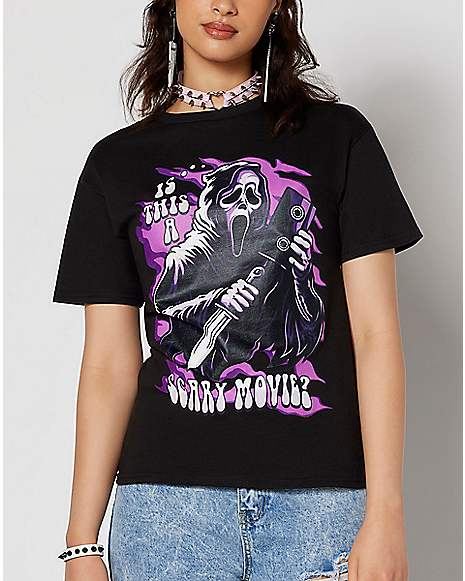
The vast majority of Ghostface shirts reference the cinematic character, featuring the distinctive white mask with its elongated, ghost-like appearance and expression of perpetual horror. These designs range from minimalist depictions of the mask alone to elaborate scenes recreating pivotal moments from the films. The character’s black robes sometimes appear as accompanying elements, creating the complete silhouette that has haunted audiences since 1996.
The Scream Movie Character Reference
The Scream franchise’s masked killer represents the predominant meaning behind Ghostface shirts. The iconic white mask, characterized by its elongated screaming expression and black hood, has become a cornerstone of horror merchandise. Shirts featuring this reference typically include:
The ghost-like white face with hollow black eyes The characteristic open-mouthed expression of terror Often accompanied by knife imagery or blood spatter effects Text references to the movies (“What’s your favorite scary movie?”) Sometimes portraying the full-body silhouette with flowing black robes
These shirts function as both horror memorabilia and cultural signifiers. The instantly recognizable design carries a visual shorthand for slasher films, meta-horror commentary, and 1990s nostalgia, making them particularly popular among horror enthusiasts and those drawn to recognizable pop culture iconography.
The Wu-Tang Clan’s Ghostface Killah Reference
The secondary meaning behind some Ghostface shirts refers to Dennis Coles, better known as Ghostface Killah—founding member of the legendary hip-hop group Wu-Tang Clan. A formidable voice in rap since the early 1990s, Ghostface Killah shirts typically feature:
Stylized portraits or silhouettes of the rapper Wu-Tang Clan’s distinctive “W” logo References to albums like “Ironman” or “Supreme Clientele” Kung-fu imagery reflecting the group’s aesthetic influences
Unlike the horror-based designs, these shirts connect to hip-hop culture, particularly the gritty New York rap scene of the 1990s. The aesthetic often employs bold typography, gold elements, and street art influences that distinguish them from the horror-focused alternative, though occasional crossover designs deliberately play with this dual reference.
The Origins and Evolution of Ghostface Imagery
The journey of Ghostface imagery from obscure Halloween costume to global fashion phenomenon offers fascinating insights into how cultural icons develop and evolve. The dual trajectories—one rooted in cinema, the other in music—have influenced different facets of fashion and popular culture since the mid-1990s.
The Scream franchise’s Ghostface emerged in 1996, quickly establishing itself as a pivotal horror icon. Meanwhile, Ghostface Killah had already made his mark through Wu-Tang Clan’s groundbreaking 1993 debut “Enter the Wu-Tang (36 Chambers)” before cementing his individual legacy with solo releases. These parallel cultural forces would eventually converge in fashion, creating occasional confusion but ultimately enriching the cultural landscape with their distinct visual languages.
The Original Halloween Mask: From Fun World to Hollywood
The cinematic Ghostface mask originates not from a Hollywood designer but from a mass-produced Halloween mask created by Fun World costume company. Originally marketed as “The Peanut-Eyed Ghost” or “Scary Ghost Face,” the mask caught director Wes Craven’s attention during pre-production for Scream in 1996. Upon discovering the mask, Craven immediately recognized its potential as the perfect face for his killer—simultaneously frightening and expressive, reminiscent of Edvard Munch’s famous painting “The Scream.”
Fun World initially resisted licensing the design for the film, leading to legal complications. After negotiations and court proceedings, arrangements were made for the mask’s use, setting the stage for one of cinema’s most recognizable villains. Through subsequent sequels—including the 2022 relaunch and 2023’s “Scream VI”—the mask underwent subtle modifications while maintaining its essential identity, a testament to the strength of its original design.
From Cult Classic to Fashion Icon
The transformation of Ghostface from purely cinematic character to fashion statement began almost immediately after the first film’s release. Initial merchandise targeted horror fans exclusively, but by the early 2000s, the image had begun appearing on clothing worn beyond horror conventions and Halloween parties.
This transition accelerated through several key developments:
Nostalgic revival of 1990s aesthetics in the 2010s Streetwear brands incorporating horror iconography Celebrity adoption, with musicians and actors sporting Ghostface imagery High-profile fashion collaborations elevating the design beyond novelty merchandise Social media amplification through Halloween costumes and vintage fashion appreciation
By 2025, Ghostface shirts have secured their position in mainstream fashion, appearing in everything from fast-fashion retailers to high-end designer collections. What began as movie memorabilia has evolved into a versatile fashion statement that communicates horror appreciation, nostalgic connection, or simply recognition of a powerful visual icon.
Cultural Significance of Ghostface Shirts
Wearing a Ghostface shirt communicates far more than simple horror fandom—it taps into multiple cultural currents that have evolved significantly since the character’s 1996 debut. The shirt functions as a canvas for expressing relationships with horror cinema, meta-commentary, nostalgia, and even ironic detachment from conventional fashion.
The image carries different connotations depending on context. At horror conventions or film screenings, it signals membership in a community of genre enthusiasts. In streetwear contexts, it represents appreciation for bold, recognizable imagery with cultural weight. On college campuses, it often operates as a nostalgic reference or ironic commentary. This multivalent quality has helped Ghostface shirts maintain relevance across decades and demographic boundaries, allowing them to transcend their original context.
What Wearing a Ghostface Shirt Communicates
Donning a Ghostface shirt transmits different messages depending on the context and styling. For dedicated horror enthusiasts, it serves as a badge of genre appreciation—particularly for the meta-commentary and genre deconstruction central to the Scream franchise. The shirt acknowledges both the fear the character inspires and the self-aware humor that defines the films.
For fashion-focused wearers, the Ghostface image functions more as a bold graphic statement with edgy undertones. These individuals might pair the shirt with high-fashion elements, creating deliberate contrast between horror imagery and refined styling. The juxtaposition itself becomes the statement.
Cultural critics and film students might wear the shirt as commentary on society’s relationship with fictional violence or media consumption. For them, the mask represents the commodification of fear itself—a concept they simultaneously critique and participate in through their fashion choice.
For many younger wearers born after the original films, the shirt connects to “vintage” horror aesthetics they’ve encountered through streaming platforms and social media. Their relationship with the imagery comes filtered through layers of reinterpretation and revival, lending the shirt a different significance than for those who experienced the films during their initial release.
Ghostface in Pop Culture Beyond Clothing
The Ghostface imagery has permeated cultural spaces far beyond t-shirts, appearing across numerous platforms and contexts:
Sports celebrations, with athletes donning the mask after significant plays Political and protest art employing the mask as shorthand for anonymous threats Music videos featuring the character, both in hip-hop and other genres Memes and social media filters, particularly around Halloween Advertising campaigns utilizing the recognizable silhouette Video game cosmetics and character skins
This widespread cultural infiltration reinforces the power of the image on clothing, creating a recursive loop of recognition and reference. The more the image appears across media, the more potent its presence becomes on apparel, cementing its position as one of horror’s most marketable and versatile icons.
Demographics and Markets: Who Wears Ghostface Shirts?
Ghostface shirts appeal across surprisingly diverse demographic categories, though certain groups show particular affinity for the design. Core audiences include:
Horror enthusiasts aged 18-45, especially those with nostalgia for 1990s cinema Streetwear aficionados drawn to bold, recognizable imagery College students embracing vintage aesthetics Film students and cinephiles appreciating the meta-commentary aspect Hip-hop fans (particularly for Ghostface Killah variants)
Market research indicates that while seasonal spikes occur around Halloween, Ghostface shirts maintain year-round sales momentum unlike most horror merchandise. This sustained interest reflects their successful transition from purely seasonal novelty to established fashion item with enduring appeal.
Disambiguation: Telling the Two Ghostface References Apart
The dual meanings behind Ghostface shirts can create confusion for those unfamiliar with either the horror franchise or Wu-Tang Clan’s legendary rapper. Distinguishing between these references requires attention to specific visual cues and design elements that signal the shirt’s primary cultural association.
Understanding these distinctions matters both for purchasing decisions and for cultural literacy—wearing a shirt without recognizing its references can lead to awkward conversations or missed connections. The differences typically manifest through imagery choices, typography, color schemes, and contextual elements that frame the central figure.
Visual Cues and Design Elements
Scream’s Ghostface shirts typically feature these distinguishing elements: • The white mask with elongated, ghost-like features and black eye holes • Black hood or complete robe silhouette • Knife imagery or blood spatter effects • Direct quotes from the films (“What’s your favorite scary movie?”) • Film logos or references to specific Scream sequels • Horror-themed typography resembling dripping blood or slashed lettering
Ghostface Killah shirts display markedly different visual characteristics: • Portraits or stylized illustrations of the rapper • Wu-Tang Clan’s “W” logo or bee imagery • References to albums like “Ironman” or “Fishscale” • Hip-hop typography styles, often bold and imposing • Urban landscapes or Staten Island (Shaolin) references • Gold coloring and decorative elements reflecting hip-hop aesthetics • Kung-fu imagery reflecting Wu-Tang’s thematic inspirations
These visual codes signal to informed viewers which cultural reference the shirt maker intended, creating immediate recognition among those familiar with either the horror franchise or the rap legend.
Common Misunderstandings and Crossover Designs
Occasional deliberate crossover designs blend elements from both cultural references, creating ambiguity or playful fusion. These hybrid shirts might feature the cinematic mask with Wu-Tang symbols, or incorporate lyrics from Ghostface Killah tracks with horror imagery. Such designs appeal to fans of both cultural phenomena or those who appreciate the clever wordplay between the rapper’s chosen name and the horror character.
Misunderstandings most commonly arise when consumers unfamiliar with Wu-Tang Clan purchase what they believe to be horror merchandise, only to receive hip-hop themed apparel. The reverse occurs less frequently, as the Scream character’s visual identity remains more widely recognized in global markets. Some manufacturers deliberately exploit this confusion through ambiguous marketing that attracts searches for both references.
Popular Ghostface Shirt Designs and Styles in 2025
The Ghostface shirt market in 2025 offers unprecedented diversity in design approaches, from screen-printed basics to elaborate artist collaborations. Current trends reflect broader movements in apparel design, with increased emphasis on sustainability, craftsmanship, and unique artistic perspectives while maintaining the iconic imagery that gives these shirts their cultural power.
Design aesthetics range from faithful reproductions of the film mask to abstract reinterpretations that merely suggest the character’s presence. This spectrum allows wearers to choose designs that align with their personal style and desired level of cultural reference—from obvious horror homage to subtle nod recognizable only to fellow enthusiasts.
Minimalist vs. Elaborate Designs
The minimalist approach to Ghostface shirts strips the image to its essential elements—often just the white mask rendered in simple line art against a solid background. These designs appeal to those seeking understated horror references that integrate easily with various wardrobes. The simplicity allows the iconic mask to stand alone without distraction, creating immediate recognition while maintaining aesthetic restraint.
At the opposite end of the spectrum, elaborate designs incorporate complex scenes from the films, multiple characters, background elements, and often text components. These shirts function almost as movie posters, displaying pivotal moments or thematic elements from specific Scream installments. Popular elaborate designs include the original phone call scene, knife-wielding action shots, or group compositions featuring multiple killers from across the franchise.
Between these extremes lie numerous creative approaches—ghostly fades that make the mask appear to emerge from the fabric, distressed treatments suggesting violent encounters, or artistic reinterpretations that transform the mask through different visual styles from watercolor to digital glitch aesthetics.
Limited Editions and Collaborative Collections
The premium segment of the Ghostface shirt market centers on limited-edition releases and artist collaborations that elevate the design beyond mass production. These exclusive pieces typically feature:
Hand-numbered production runs of 50-500 pieces Collaborations with recognized artists from horror illustration, street art, or fashion design Special printing techniques including metallic inks, glow-in-the-dark elements, or raised tactile components Premium packaging designed for collectors, often including art cards or certificates of authenticity Higher price points ($60-200) reflecting their limited availability and artistic value
Notable recent collaborations include streetwear brand partnerships, horror artist series featuring multiple interpretations of the mask, and anniversary collections commemorating pivotal moments in the franchise. These limited releases often sell out within hours and quickly become sought-after collector’s items in secondary markets.
Sustainable and Eco-Friendly Ghostface Apparel
Responding to growing consumer demand for environmentally responsible production, a significant segment of the Ghostface shirt market now emphasizes sustainability. These eco-conscious options feature:
Organic cotton grown without pesticides or synthetic fertilizers Recycled polyester derived from post-consumer plastic waste Water-based, non-toxic printing inks that reduce chemical runoff Manufacturing processes that minimize water usage and carbon emissions Transparent supply chains with ethical labor practices
Brands leading this movement combine horror appreciation with environmental consciousness, appealing to consumers who refuse to compromise their values for fan merchandise. While these sustainable options typically command price premiums of 20-40% over conventional alternatives, their market share continues growing as ecological concerns influence purchasing decisions across all apparel categories.
Material Quality and Construction of Ghostface Shirts
The physical quality of Ghostface shirts varies dramatically across price points and manufacturers, with significant implications for both appearance and longevity. Understanding these material differences helps consumers make informed purchasing decisions that align with their expectations for comfort, durability, and visual impact.
The foundation of any quality t-shirt begins with fabric composition and weight, followed by construction techniques that determine how well the garment maintains its shape through repeated wearing and washing. Within the Ghostface shirt market, these quality indicators often correlate with price, though exceptions exist where premium pricing reflects brand positioning rather than superior materials.
Premium Fabric Options and Why They Matter
High-quality Ghostface shirts utilize fabrics that balance comfort, durability, and print retention—critical factors for merchandise featuring detailed graphic elements. Premium options typically include:
Heavyweight cotton (200-280gsm) that provides structure and prevents transparency Combed cotton with longer fibers for softer feel and reduced pilling Ring-spun cotton creating smoother surfaces that showcase printing detail Precisely balanced polyester blends that enhance durability while maintaining breathability Pre-shrunk treatments that maintain sizing and prevent warping of graphic elements
These superior materials create immediate tactile differences noticeable from first touch—the substantial feel in hand, the smooth surface against skin, and the structural integrity that prevents the shapeless draping characteristic of lower-quality alternatives. Beyond comfort, these fabrics serve critical functional purposes in graphic tees, providing stable surfaces for printing processes and maintaining image integrity through numerous wash cycles.
Quality cotton also ages differently, developing character rather than deterioration. Where cheaper shirts quickly fade and crack, premium cotton often softens while maintaining structural integrity, allowing vintage Ghostface shirts to develop the authentic worn-in aesthetic that many collectors prize.
Printing Techniques and Their Impact on Design Quality
The method used to apply Ghostface imagery to fabric dramatically affects both appearance and longevity, with several techniques dominating the market:
Screen Printing: The traditional approach using mesh screens and specialized inks, creating durable designs with slightly raised surfaces. Quality varies based on ink formulation, number of screens, and curing methods.
Direct-to-Garment (DTG): Digital printing technology that allows photographic-quality reproduction but typically lacks the durability of well-executed screen printing. Best for complex, multi-colored designs.
Vinyl Heat Transfer: Polymer material heat-pressed onto fabric, creating distinct raised surfaces with high durability. Limited in color blending capabilities but offers excellent longevity.
Water-Based Printing: Environmentally friendly technique where inks penetrate the fabric rather than sitting on top, creating a “no-feel” print that becomes part of the garment. Superior comfort but requires precise application.
Discharge Printing: Process that removes fabric dye and replaces it with pigment, creating extremely soft prints ideal for vintage-inspired designs. Highly breathable but limited to certain color combinations.
Each technique creates distinctive visual and tactile effects, with implications for how the Ghostface imagery presents on the finished shirt. Screen printing remains most common for its balance of durability and visual impact, particularly for designs emphasizing the stark black-and-white contrast central to the character’s iconic mask.
Occasions and Settings to Wear Ghostface Shirts
Ghostface shirts have transcended their origins as pure horror merchandise to become versatile fashion pieces appropriate for numerous contexts. Understanding where and how to wear these shirts helps maximize their impact while maintaining appropriate cultural awareness of their horror associations.
The contextual versatility of Ghostface shirts stems partly from horror imagery’s mainstreaming in fashion and partly from the character’s visual distinctiveness, which works across multiple style aesthetics. From casual streetwear to ironic high-low fashion pairings, these shirts offer creative styling possibilities beyond obvious horror-themed occasions.
Seasonal Wear: Beyond Just Halloween
While Ghostface shirts predictably surge in popularity during Halloween season, their cultural footprint extends throughout the year. During autumn months, they align naturally with the broader embrace of horror aesthetics, paired easily with layering pieces like flannel shirts, denim jackets, or leather accessories that complement their edgy associations.
For spring and summer wear, Ghostface shirts provide statement pieces for casual outfits, their stark black-and-white imagery creating striking contrast against seasonal colors. Pairing with shorts, light wash denim, or even beneath open summer shirts creates unexpected juxtapositions that subvert the character’s menacing origins.
Winter styling introduces opportunities for layered looks, with Ghostface imagery peeking from beneath outerwear or presented on hoodies and long-sleeve variants. The mask’s ghostly white appearance works particularly well against dark winter palettes, creating visual punctuation within monochromatic outfits.
This year-round versatility distinguishes Ghostface shirts from purely seasonal horror merchandise, reflecting their successful crossover from novelty items to established fashion pieces with enduring appeal beyond specific calendar dates.
From Streetwear to Statement Pieces
The natural habitat for Ghostface shirts remains casual streetwear styling, where their bold graphics align with urban aesthetics emphasizing visual impact and cultural references. Classic pairings include:
Relaxed-fit jeans or cargo pants that balance the graphic intensity Skatewear-inspired accessories like beanies or canvas belts High-top sneakers or combat boots depending on the desired edge level Minimal additional patterns to avoid competing with the shirt’s focal imagery
Beyond straightforward streetwear, Ghostface shirts increasingly appear in high-low fashion combinations that deliberately juxtapose their horror associations with refined elements:
Tailored blazers creating tension between formal structure and graphic casualness Pleated trousers introducing unexpected formality to the horror reference Designer accessories that elevate the entire outfit while highlighting the shirt’s ironic placement
These contrasting pairings transform the Ghostface imagery from simple fan merchandise to conscious fashion statement, commenting on conventional boundaries between high culture and popular entertainment through deliberate stylistic tension.
Legal and Ethical Considerations in Ghostface Merchandise
Navigating the legal landscape surrounding Ghostface merchandise requires understanding complex intellectual property rights that govern the character’s distinctive appearance. These legal considerations impact everything from product availability to pricing and authenticity—factors that directly affect consumer purchasing decisions.
Beyond strictly legal concerns, ethical questions arise regarding unauthorized merchandise, particularly when considering fair compensation for creative work and the quality assurance that typically accompanies licensed products. These considerations reflect broader debates about intellectual property in fashion and the balance between creative inspiration and outright appropriation.
Copyright and Trademark Ownership
The legal rights to Ghostface imagery involve multiple entities holding different aspects of the character’s intellectual property:
Fun World (Easter Unlimited, Inc.) owns the copyright to the original mask design, registered as “Ghost Face” or “Scary Ghost Face” Spyglass Media Group controls the Scream film franchise rights, including character portrayals and storylines Complex licensing agreements govern which manufacturers can legally produce Ghostface merchandise
This fragmented ownership creates a complicated licensing landscape that has resulted in multiple legal disputes since the character’s creation. Landmark cases established Fun World’s primary rights to the mask design independent of the film franchise, meaning that even official movie merchandise must be licensed through multiple channels.
For consumers, this legal backdrop explains price disparities between officially licensed merchandise and unauthorized alternatives. Licensed products incorporate royalty payments to rights holders, contributing to higher retail prices but ensuring legal compliance and often superior quality control.
Authorized vs. Unauthorized Merchandise
The market contains both officially licensed Ghostface shirts and unauthorized versions that use the character’s likeness without proper permissions. Distinguishing between these categories matters for several reasons:
Legal standing: Authorized merchandise complies with intellectual property law, while unauthorized versions technically infringe on registered copyrights and trademarks.
Quality assurance: Licensed products typically undergo approval processes ensuring accurate representation and material quality standards.
Ethical considerations: Purchasing authorized merchandise supports the creators and rights holders who developed the character and its cultural impact.
Long-term value: For collectors, officially licensed items typically maintain higher resale value and authenticity documentation.
Identifying authorized merchandise typically involves checking for official licensing information on tags or packaging, including references to Fun World, Spyglass Media, or their designated licensing partners. Reputable retailers generally carry only properly licensed products, though online marketplaces require greater consumer vigilance in verifying authenticity claims.
Where to Buy Quality Ghostface Shirts in 2025
The market for Ghostface shirts spans numerous retail channels, from dedicated horror merchandise websites to mainstream fashion retailers and independent artists. Navigating these options requires understanding the tradeoffs between authenticity, quality, uniqueness, and price across different purchasing platforms.
Distribution channels have evolved significantly since the character’s introduction, with direct-to-consumer models and small-batch production techniques creating new opportunities for distinctive designs beyond mass-market offerings. This diverse landscape offers something for every buyer, from budget-conscious casual fans to serious collectors seeking exclusive limited editions.
Authorized Retailers and Official Merchandise
Official Ghostface merchandise channels provide the assurance of legal compliance and quality control, making them the recommended starting point for serious collectors and those concerned about authenticity:
Official franchise websites connected to current Scream film releases Licensed horror merchandise retailers specializing in authenticated products Major entertainment retailers carrying officially approved designs Pop culture convention vendors with verifiable licensing documentation
These authorized channels typically offer designs directly tied to specific film releases, anniversary editions, or classic imagery from the franchise. While pricing runs 20-40% higher than unauthorized alternatives, these products offer quality assurance, supporting legitimate rights holders and providing authenticated merchandise with potential collector value.
Independent Designers and Limited Editions
Beyond official merchandise channels, independent designers and boutique brands offer artistic interpretations of Ghostface imagery that push creative boundaries:
Artist-driven horror apparel brands creating unique perspectives on the character Limited-run streetwear labels incorporating Ghostface elements into broader designs Print-on-demand platforms hosting independent artist creations Small batch production studios creating premium versions with specialized techniques
These independent sources typically operate through proper licensing channels while providing fresh perspectives beyond standard movie merchandise. Their designs often reflect deeper engagement with horror aesthetics, film theory, or streetwear trends, creating distinctive options for those seeking shirts that transcend conventional licensed products.
Quality Considerations When Purchasing Online
When buying Ghostface shirts online, several quality indicators help assess potential purchases before committing:
Fabric specifications: Look for detailed information about material composition (100% cotton vs. blends), fabric weight (ideally 180gsm or higher), and construction features.
Print technique disclosure: Quality listings specify whether designs use screen printing, DTG, or other methods, helping set appropriate expectations for appearance and durability.
Sizing accuracy: Reputable sellers provide detailed size charts with actual measurements rather than generic sizing, reducing return rates and ensuring proper fit.
Customer imagery: User-submitted photos show actual products rather than digital mockups, revealing true colors, print quality, and fabric appearance.
Return policies: Transparent customer protection demonstrates seller confidence in product quality and reduces purchasing risk.
These quality signals help navigate the sometimes overwhelming variety of online Ghostface shirt options, identifying reputable sources likely to deliver products meeting expectations for both appearance and durability.
Care and Maintenance of Ghostface Shirts
Proper care techniques preserve both the physical integrity and graphic quality of Ghostface shirts, extending their lifespan and maintaining their visual impact. Different printing methods and fabric compositions require specific approaches to washing, drying, and storage that balance cleanliness with preservation.
Understanding these maintenance requirements helps protect your investment, particularly for limited editions or vintage pieces where replacement may prove impossible. With appropriate care, quality Ghostface shirts can maintain their appearance through years of regular wear, developing character without deteriorating.
Washing and Drying Recommendations
Follow these care guidelines to preserve Ghostface shirt graphics and prevent premature deterioration:
Turn the shirt inside-out before washing to minimize direct abrasion against the printed surface.
Use cold water settings exclusively, as heat accelerates both fabric shrinkage and print degradation.
Select mild detergents free from bleach, fabric softeners, or harsh chemicals that can damage both fabric and printing.
Choose gentle cycle settings that reduce mechanical agitation damaging to printed surfaces.
Avoid overloading washing machines, which increases friction between garments and accelerates wear.
Air-dry whenever possible, hanging shirts on non-metal hangers or laying flat to prevent stretching.
If machine drying proves necessary, use the lowest heat setting and remove promptly to prevent wrinkles and heat exposure.
Iron only from the inside if absolutely necessary, never applying direct heat to printed surfaces.
For screen-printed designs—the most common technique for Ghostface shirts—these precautions prove particularly important, as the raised ink surfaces remain vulnerable to cracking when subjected to high heat or mechanical stress during improper washing.
Maintaining Print Quality Over Time
Beyond basic washing procedures, several additional strategies help preserve the distinctive Ghostface imagery:
• Store shirts folded rather than hung for extended periods to prevent stretching around the neck and shoulders.
• Avoid extended exposure to direct sunlight, which fades both fabric and prints regardless of quality.
• Treat stains immediately using targeted spot cleaning rather than subjecting entire shirts to aggressive washing.
• Consider specialty textile sprays designed to protect graphic prints against wear, particularly for limited editions or collector items.
• Rotate shirts within your wearing cycle rather than wearing the same design repeatedly, allowing recovery time between wearings.
These preservation techniques prove particularly valuable for shirts featuring the stark black-and-white contrast essential to Ghostface’s visual impact, where fading or cracking immediately diminishes the design’s effectiveness.
Frequently Asked Questions About Ghostface Shirts
Common Questions About Design and Meaning
Q: Are all Ghostface shirts related to the Scream movies?
Most Ghostface shirts reference the character from the Scream franchise, featuring the distinctive white mask with black eye holes and elongated expression. However, some shirts reference Wu-Tang Clan member Ghostface Killah instead. Check for specific visual cues like movie quotes, knives, or Wu-Tang symbols to determine the reference.
Q: What does wearing a Ghostface shirt symbolize?
Wearing a Ghostface shirt typically communicates appreciation for horror cinema, particularly the meta-commentary and genre awareness the Scream franchise pioneered. It can also signal 1990s nostalgia, appreciation for slasher films, or simply enjoyment of bold, recognizable imagery. Context and styling significantly influence the perceived meaning.
Q: Is wearing Ghostface merchandise appropriate year-round?
While Ghostface imagery peaks in popularity during Halloween season, these shirts have established themselves as year-round fashion items. The stark black-and-white imagery works across seasonal wardrobes, and the character’s cultural significance extends beyond purely seasonal horror associations.
Practical Questions About Purchase and Care
Q: How can I verify if a Ghostface shirt is officially licensed?
Officially licensed Ghostface merchandise typically includes specific copyright information on tags or packaging, referencing Fun World, Spyglass Media Group, or their authorized licensing partners. Purchasing from established retailers rather than marketplace sellers increases the likelihood of obtaining authentic licensed products.
Q: What’s the best way to preserve print quality on Ghostface shirts?
Turn shirts inside-out before washing, use cold water only, avoid fabric softeners and bleach, and air-dry whenever possible. For screen-printed designs, never iron directly on the printed surface, and avoid high-heat drying which can cause cracking in the ink. Store folded rather than hanging for extended periods.
Q: What’s a reasonable price range for quality Ghostface shirts?
Standard licensed Ghostface t-shirts typically range from $25-40, with premium versions featuring heavyweight fabrics and special printing techniques ranging from $40-75. Limited edition artist collaborations or collectible releases may command $60-200 depending on exclusivity and designer reputation. Be suspicious of prices significantly below these ranges, as they often indicate unauthorized merchandise or substandard materials.

At Awcaseus, we create more than t-shirts — we craft statements. Inspired by urban stillness and modern philosophy, our pieces combine premium fabrics, structured fits, and abstract graphics. Every design is a reflection of thought, identity, and quiet confidence. Awcaseus is where fashion becomes a voice — and you wear the future.
Related posts:
 Ghostface No You Hang Up Shirt: Ultimate Guide to Meaning, Quality & Style
 Freddy vs Jason Shirt Guide: Find the Best Designs & Top Retailers
 The Ultimate Guide to Nightmare on Elm Street Shirts: Designs, Trends & Collecting Tips
 Ultimate Trick or Treat Sam Shirt Guide: Styles, Trends & Buying Tips
 The Lost Boys Shirt: Unlock the Iconic Styles and Hidden Meanings
 Ultimate 2025 Guide to Finding the Perfect You Can’t Kill the Boogeyman Shirt