

Horror Shirts
The Lost Boys Shirt: Unlock the Iconic Styles and Hidden Meanings
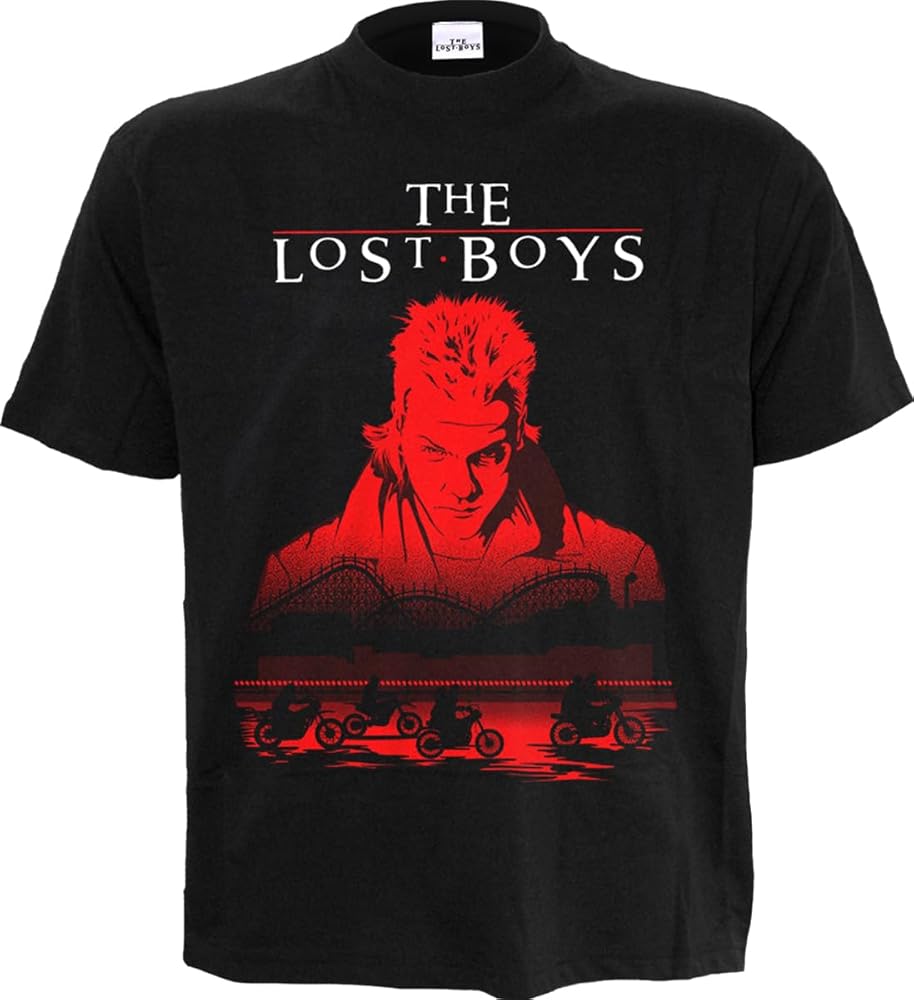
Jul
Understanding “The Lost Boys Shirt” Phenomenon
The term “Lost Boys shirt” exists at a fascinating cultural intersection—representing both the rebellious vampire aesthetic from the groundbreaking 1987 horror film and the timeless wilderness-dwelling characters from J.M. Barrie’s Peter Pan universe. These garments have transcended their origins to become powerful symbols of outsider identity and nostalgic connection across generations.
In 2025, these shirts remain culturally significant not merely as movie memorabilia or literary references, but as versatile fashion statements that communicate complex social affiliations. The black leather and graphic tees of Kiefer Sutherland’s vampire gang convey a different message than the earthy, handcrafted garments of Peter Pan’s woodland companions—yet both capture that essential spirit of existing outside conventional society.
What makes the lost boys shirt truly remarkable is its dual existence as both commercial product and cultural artifact. The striking black and white imagery from the vampire film—with its skull motifs and gothic typography—creates an immediate visual shorthand for rebellion. Meanwhile, the nature-inspired, hand-stitched aesthetic of the literary Lost Boys represents freedom from civilization’s constraints.
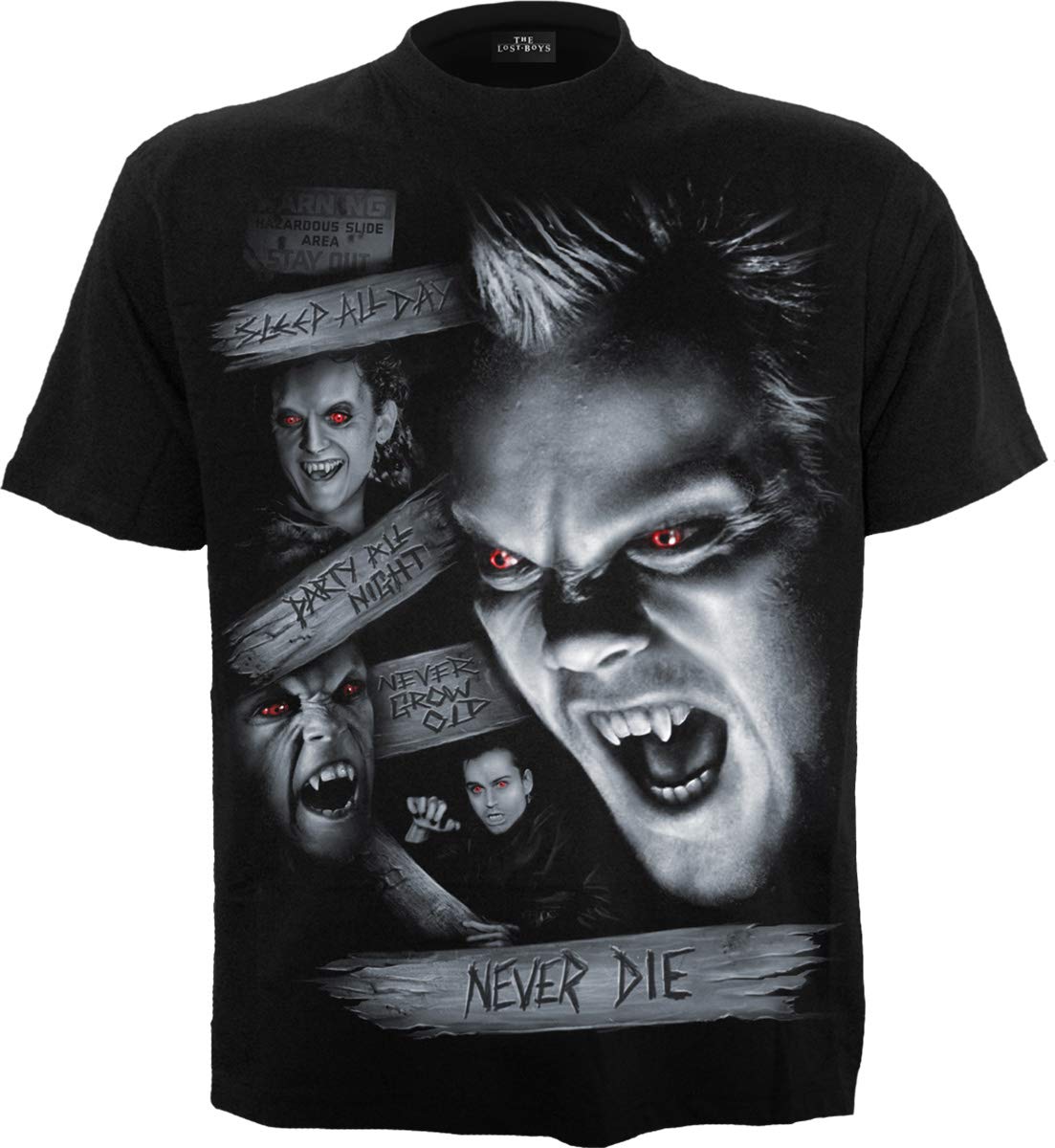
The Lost Boys Never Die 3D T-Shirt
For those who thrive after dark—eternal vigor, infinite rebellion.
This bold tee fuses dramatic black and haunting reds with gothic imagery, channeling the unmistakable edge of outsider spirit and underground culture. Wear it as a statement of individuality and a nod to the daring legacy of the Lost Boys you refuse to outgrow.
See full details →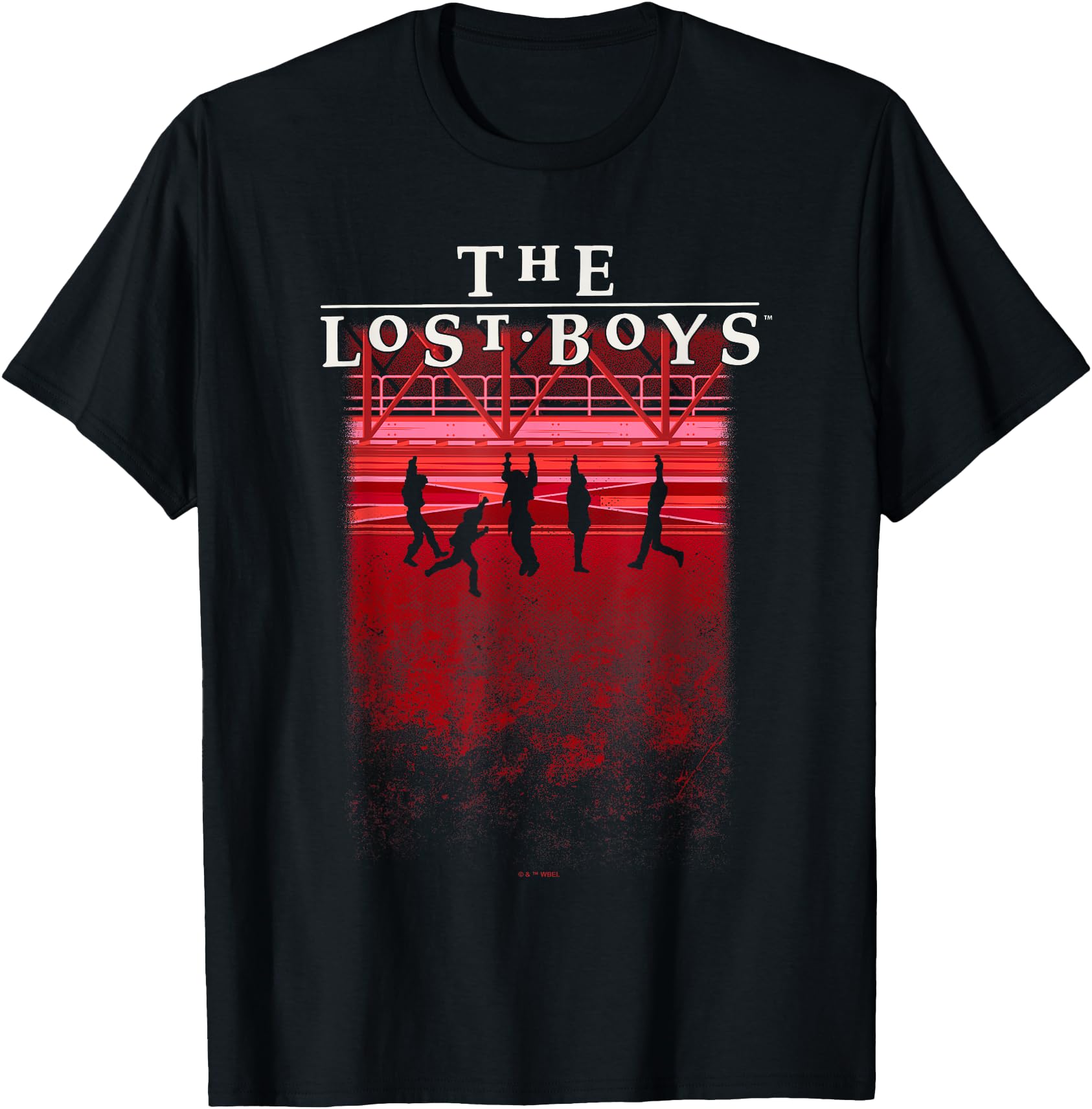
The Lost Boys Hanging Around T-Shirt
Where boldness meets nostalgia in gothic twilight.
This striking shirt features bold Lost Boys silhouettes suspended against a fiery red background, channeling a rebellious energy that pays tribute to outsider culture and untamed individuality. Wear it as an emblem of fearless expression and a nod to those drawn to the extraordinary.
Discover more →Having tracked these designs through numerous iterations over the past decade, I’ve observed how they’ve evolved from direct reproductions to sophisticated reinterpretations that honor their origins while speaking to contemporary sensibilities.
The Dual Legacy: Origins of “Lost Boys” in Pop Culture
The 1987 Film “The Lost Boys”: Birth of a Vampire Fashion Icon
Joel Schumacher’s “The Lost Boys” fundamentally transformed vampire mythology, dragging it from Gothic castles into contemporary California and infusing it with rock-and-roll attitude. This reimagining wasn’t just narrative—it created a revolutionary visual language that continues to influence fashion decades later.
The film’s costume design, led by Susan Becker, deliberately subverted traditional vampire imagery. Instead of capes and formal attire, the vampire gang wore a calculated mixture of 80s rock elements: black leather jackets, distressed denim, and most iconically, graphic t-shirts featuring death’s head imagery and provocative slogans. These costume choices communicated the central tension of the film—immortal beings disguised as rebellious youth.
The original lost boys t shirts featured several distinct design elements:
- Monochromatic color schemes (predominantly black with white graphics)
- Gothic-inspired typography with irregular lettering
- Skull imagery paired with motorcycle iconography
- Intentionally distressed and weathered appearance
- Oversized silhouettes for dramatic effect
Production designer Bo Welch noted that “the wardrobe wasn’t just clothing—it was character development through visual language.” This philosophy transformed simple garments into cultural touchstones, with the shirts becoming immediate identifiers of the film’s distinctive aesthetic.
The impact on 80s fashion was immediate and spread far beyond horror enthusiasts. The shirts represented accessible rebellion—you couldn’t easily adopt a motorcycle and leather pants, but anyone could wear a shirt that suggested affiliation with something dangerous and otherworldly.
To dive deeper into how the Lost Boys shirt became an iconic piece in horror fashion—and to explore the evolution of horror film shirts in culture—visit our Ultimate Guide to Nightmare on Elm Street Shirts, where similar 80s era influences are dissected in detail.
J.M. Barrie’s Peter Pan: The Original Lost Boys and Their Aesthetic
Long before vampires adopted the moniker, J.M. Barrie created the original Lost Boys—children who fell from their prams and, unclaimed by adults, were spirited away to Neverland. Barrie described them as “clad in the leaves of trees,” suggesting garments cobbled together from found materials and natural elements, reflecting their wild, parentless existence.
In Barrie’s 1904 play and 1911 novel, the Lost Boys’ clothing emphasized their disconnection from civilized society. As he wrote: “They live in the tree-tops, wear clothes fashioned from leaves and moss, and partake in all manner of adventures without the guidance of proper parents.” This description established a visual tradition that favored natural colors, irregular construction, and practical wilderness functionality.
The 1953 Disney animated adaptation codified this aesthetic, presenting the Lost Boys in animal onesies and handmade garments with visible stitching. This visual interpretation anchored the characters in popular imagination—creating a consistent “Lost Boys look” that emphasized childlike playfulness rather than rebellion.
Through subsequent adaptations—from the 1991 Hook film to the 2003 live-action Peter Pan—costume designers have maintained key visual elements while adapting to contemporary sensibilities. The character “Rufio” from Hook, with his mohawk and hand-painted clothing, created a particularly influential bridge between the childlike literary Lost Boys and a more rebellious aesthetic.
The timeline of significant adaptations shows gradual modernization while maintaining core visual elements—handcrafted appearance, nature-inspired details, and practical wilderness functionality.
The Convergence: How Two “Lost Boys” Concepts Influence Modern Fashion
These parallel traditions—separated by eight decades and entirely different narrative contexts—have undergone a fascinating convergence in contemporary fashion. While distinctly different, both lost boys archetypes represent resistance to conventional society and celebrate life beyond established rules.
The vampire film aesthetic appeals particularly to those drawn to gothic and alternative subcultures, with its dark palette and death imagery representing a sophisticated rebellion against societal norms. Fashion historian Emma Davidson observes that “the vampire Lost Boys created a template for dark, transgressive fashion that continues to resonate with those seeking to express alienation from mainstream culture.”
Meanwhile, the Peter Pan-inspired aesthetic attracts those drawn to cottagecore, folklore revival, and sustainable fashion movements. Its handcrafted, nature-based approach represents rejection of industrial mass production and return to simpler values—themes increasingly relevant in our digital age.
What makes this convergence particularly potent is how designers have begun combining elements from both traditions. Contemporary brands incorporate forest motifs onto black backgrounds or pair skull imagery with hand-stitched details—creating hybrid designs that reference both traditions simultaneously.
For a comprehensive exploration of how horror iconography merges with broader pop culture trends, including the crossover of rebellious and nostalgic influences, check our Ultimate Trick or Treat Sam Shirt Guide.
Stylist Marcus Chen notes in Vogue that “the persistence of Lost Boys imagery comes from its ability to evolve while maintaining core themes of outsider identity.” Celebrity endorsements from figures as diverse as alternative musicians and sustainable fashion advocates have kept both aesthetic traditions relevant across different cultural spaces.
Anatomy of Iconic Lost Boys Shirt Designs
Key Design Elements of Movie-Inspired Lost Boys Shirts
The vampire gang shirts from “The Lost Boys” film feature distinctive design elements that make them immediately recognizable even to those who haven’t seen the movie. Understanding these core components helps distinguish authentic film-inspired designs from generic gothic clothing.
The original film shirts showcased several signature characteristics:
- Color palette: Dominated by black backgrounds with white or blood-red graphics
- Primary typography: Gothic-inspired letterforms with irregular spacing and alignment
- Secondary typography: Small text elements resembling concert tour dates
- Imagery hierarchy: Central death’s head or skull motif with supporting motorcycle/gang imagery
- Distressing: Strategic fading and weathering that suggests prolonged wear
- Fabric weight: Medium-heavy cotton (approximately 180-200gsm) with a soft, worn-in hand
The evolution from original film merchandise to modern interpretations reveals interesting adaptations. Early licensed merchandise reproduced screen-accurate designs, while contemporary versions often incorporate subtle references that avoid copyright issues while maintaining the essence of the original aesthetic.
Textile expert Sophia Nguyen explains: “What makes a truly authentic Lost Boys film shirt isn’t just the imagery—it’s understanding the interplay between graphic elements and the physical properties of the garment. The slightly oversized fit, the specific weight of the fabric, and the printing technique are equally important.”
Modern brands interpret these elements through various approaches—some opt for screen-accurate reproductions that satisfy collectors, while others create spiritual successors that capture the mood without directly copying protected imagery. The 250-280gsm premium cotton used by quality manufacturers provides superior structure and longevity compared to the lighter-weight fabrics of original merchandise.
If you’re interested in the larger impact of horror shirts and how they became collector pieces, the Ultimate 2025 Guide to Finding the Perfect You Can’t Kill the Boogeyman Shirt offers insight into the journey from cinema to wardrobe staple.
Peter Pan’s Lost Boys: Translating Literary Characters to Wearable Art
Transforming Barrie’s literary descriptions into concrete fashion designs presents unique challenges. The “clothes fashioned from leaves and moss” mentioned in the text require creative interpretation to become wearable garments while maintaining their essential wilderness character.
Early illustrators like F.D. Bedford established visual traditions that emphasized natural asymmetry, visible construction methods, and earth-toned color palettes. These elements have remained consistent across various adaptations, with designers adding their own interpretations while preserving the core aesthetic.
Key design elements of Peter Pan-inspired Lost Boys shirts include:
- Nature-based color palette: Forest greens, bark browns, and earthy neutrals
- Irregular construction: Visible stitching, raw edges, and asymmetrical design elements
- Material references: Textures and patterns that suggest leaves, tree bark, and natural materials
- Symbolic motifs: Acorns, swords, arrows, and other Neverland-associated imagery
- Weathering: Strategic distressing that suggests adventures and outdoor living
The transition from children’s design to adult fashion has involved sophisticated reinterpretation of these elements. Contemporary designers maintain the handcrafted appearance while using modern techniques to create more structured, wearable garments. The irregular “patchwork” appearance has been refined into intentional color blocking and textural contrasts.
The tension between wilderness and civilization—central to Barrie’s narrative—appears in these designs through the contrast between structured garment construction and deliberately irregular decorative elements.
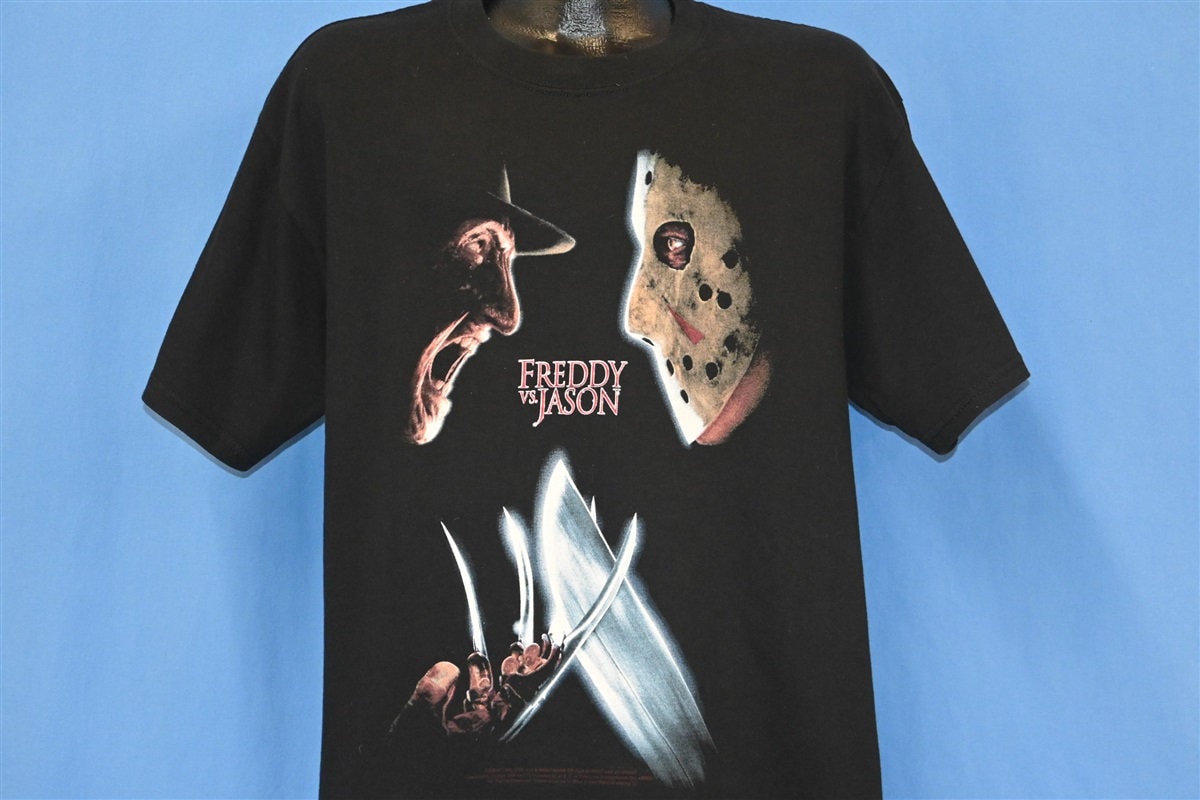
For fans of reinterpretation and collectible storytelling through apparel, the Freddy vs Jason Shirt Guide examines similar transformations, where pop-culture icons become fashion statements with layered meanings.
Awcaseus Philosophy: Minimalist Reinterpretations of Lost Boys Imagery
Awcaseus approaches the Lost Boys concept with distinctive philosophical underpinnings that separate their designs from more literal interpretations. Their design ethos—”urban rebellion meets minimalist design”—distills complex cultural references into refined visual statements.
The brand’s reinterpretations honor both Lost Boys traditions while creating something distinctly contemporary:
In place of literal skull imagery or leaf patterns, Awcaseus employs subtle geometric shapes that evoke the essence of rebellion and freedom. Their titanium gray, carbon black, and navy-infused-with-grey color palette references the film’s darkness while incorporating sophisticated neutrals that elevate the aesthetic beyond simple reproduction.
The material foundation of these designs—250-280gsm premium cotton—provides substantial structure and durability lacking in mass-produced alternatives. This fabric weight creates a distinct silhouette that hangs properly rather than clinging to the body, maintaining the oversized, unconstrained appearance central to both Lost Boys traditions.
Their proprietary silk-screen printing technique utilizing eco-friendly water-based inks achieves remarkable gradient effects that suggest the faded appearance of vintage shirts without artificial distressing. As lead designer Minh explains, “We’re not creating replicas—we’re capturing the essence of what made these cultural references powerful and translating them into a modern visual language.”
What truly distinguishes the Awcaseus approach is how philosophical elements subtly inform design choices. The limited use of text, preference for abstract rather than literal imagery, and meticulous attention to negative space all reflect deeper consideration of what rebellion and freedom mean in contemporary context.
Symbolic Meaning: What Wearing a Lost Boys Shirt Represents
Rebellion and Outsider Identity: The Cultural Message
Wearing a lost boys shirt communicates complex social positioning beyond mere fashion preference. Whether referencing the vampire film or literary tradition, these garments signal rejection of conventional social structures and identification with characters who exist beyond normal constraints.
The vampire film context presents rebellion through deliberately transgressive imagery—skulls, motorcycles, and nocturnal themes directly challenge social norms and mortality itself. Cultural anthropologist Dr. Linh Tran notes that “the film’s aesthetic spoke to adolescent desires for independence and self-definition through visual signifiers of danger and freedom from consequence.”
The Peter Pan connection offers a different but complementary rebellion—rejecting not just social norms but civilization itself. The handcrafted, nature-based aesthetic represents escape from industrial society and return to more authentic existence outside structured environments.
Both traditions have maintained relevance by adapting to changing cultural contexts. What began as countercultural statements have become more nuanced expressions of identity that can be modulated based on styling and context. Sociologist James Martinez observes that “wearing these shirts allows individuals to signal affiliation with outsider traditions without fully committing to subcultural lifestyles.”
The psychological appeal relates to fundamental human desires—freedom from constraint, authentic self-expression, and connection to meaningful narratives. When someone chooses a Lost Boys shirt over conventional options, they’re adopting visual language that positions them within specific cultural traditions while maintaining individual expression.
Fandom and Nostalgia: Wearing Your Cultural Affiliations
Lost Boys shirts function as powerful identity markers within specific communities, creating instant recognition among those who share cultural reference points. They operate simultaneously as personal nostalgic objects and public declarations of cultural literacy.
For those who grew up with the 1987 film, these shirts evoke specific memories—late-night cable viewings, video store discoveries, or teenage fascination with vampire mythology. The emotional connection to formative experiences makes these garments more than fashion choices—they’re wearable mementos of personal history.
Similarly, Peter Pan-inspired designs connect wearers to childhood experiences with Disney films, illustrated books, or early theatrical productions. The intergenerational nature of these stories means different age groups experience distinctive forms of nostalgia through the same basic imagery.
Online communities have amplified these connections, creating spaces where enthusiasts share their collections, styling approaches, and personal stories. Forums like Lost Boys Legacy and Neverland Collective function as virtual gathering spaces where the garments serve as conversation starters and community identifiers.
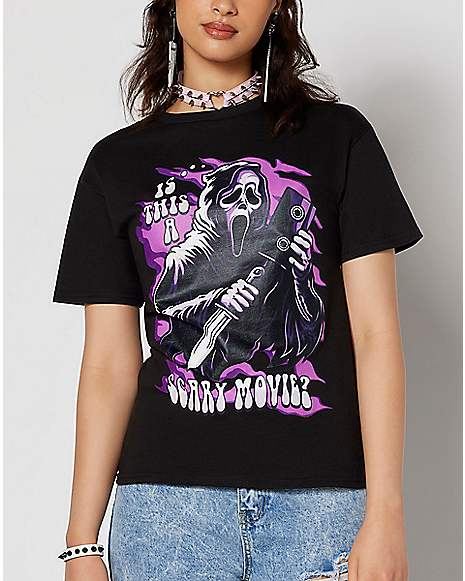
If you’re fascinated by how horror shirts become emotional symbols and discussion points—something seen with icons like Ghostface as well—learn more in our Ghostface Shirt Explained: Meaning, Styles, and Where to Buy.
As cultural historian Thomas Nguyen observes: “These shirts create a fascinating intersection between personal memory and collective cultural knowledge. When two strangers recognize each other’s Lost Boys references, they’re acknowledging shared cultural literacy that transcends typical social barriers.”
This dual function—as both personal talisman and public signal—makes these garments particularly significant for fans who may otherwise lack visible ways to express their cultural affiliations in everyday contexts.
Authenticity Guide: Finding and Purchasing Lost Boys Shirts in 2025
Official Merchandise vs. Artist Interpretations: Understanding the Market
The current marketplace for Lost Boys shirts spans multiple categories with significant variations in quality, authenticity, and price. Understanding the different market segments helps consumers make informed decisions based on their specific priorities.
For film-inspired designs, licensing considerations create distinct categories:
- Official Warner Bros. licensed merchandise ($35-70): Maintains copyright compliance but often lacks design sophistication
- Limited-edition collaborations with premium brands ($75-150): Combines official licensing with elevated design sensibility
- Independent artist interpretations ($25-60): Offers unique perspectives but navigates copyright through transformation and abstraction
- Vintage original merchandise ($100-500+): Provides historical authenticity with corresponding condition issues
The Peter Pan-inspired market presents different considerations:
- Disney official merchandise ($30-65): Features familiar character designs with varying quality
- Literary-inspired independent designs ($35-80): Focuses on Barrie’s original descriptions rather than Disney interpretations
- Handcrafted artisanal versions ($60-200): Emphasizes authentic construction methods and natural materials
- Theatrical production merchandise ($40-75): Offers designs based on specific stage adaptations
Quality variations within each category reflect different manufacturing approaches. Mass-produced options typically use 150-170gsm cotton with standard screen printing, while premium versions feature 220-280gsm fabric with more sophisticated printing techniques. These material differences significantly impact both appearance and longevity.
Identifying quality involves examining several factors:
- Fabric weight and hand feel
- Print clarity and durability
- Stitching consistency
- Color fastness
- Overall construction
The price differences reflect not just material quality but design originality, limited availability, and cultural authenticity—factors that vary in importance depending on individual priorities.
Where to Buy: Curated Guide to the Best Lost Boys Shirt Sources
Premium Designer Options
Awcaseus Collections ($85-150): Philosophical minimalist reinterpretations featuring premium 250-280gsm cotton and eco-friendly water-based inks. Offers international shipping with delivery to Vietnam in 5-7 days. Specialized in limited-edition releases that elevate nostalgic references through sophisticated design language.
Gothic Archive ($75-125): Museum-quality reproductions of film-accurate designs using historical production techniques. Ships worldwide with tracking.
Neverland Artisans ($90-175): Handcrafted interpretations using natural dyes and traditional construction methods inspired by literary descriptions. Limited production runs with numbered certificates.
Licensed Merchandise Platforms
Warner Bros. Shop ($35-65): Official film merchandise with varying quality levels. Basic reproductions suitable for casual fans. Standard international shipping available.
Disney Store ($30-60): Character-based designs from animated adaptations. Regular limited-edition releases timed with anniversaries. Economy shipping to most countries.
Universal Legacy Collection ($45-80): Curated reproductions of original promotional materials with archival-quality printing. Premium packaging suitable for collectors.
Independent Artist Marketplaces
Etsy Handmade ($40-125): Artist-created interpretations ranging from simple prints to elaborate handcrafted pieces. Quality varies significantly—buyer reviews essential for assessment.
Redbubble Custom Prints ($25-50): On-demand printing with thousands of artist designs. Budget-friendly but typically lighter-weight fabric (140-180gsm). Ships to Vietnam in 10-14 days.
Society6 Artist Collective ($30-55): Curated artist designs with consistent production quality. Regular sales and bundle discounts available.
Vintage and Collectible Sources
Heritage Vault ($100-600): Authenticated vintage pieces with condition reports and provenance documentation. Specializes in original film merchandise and promotional items.
Archive Collective ($75-350): Curated vintage selections focusing on cultural significance rather than perfect condition. Includes restoration services for damaged pieces.
Convention Circuit (Varies): Film and comic conventions feature vendors with rare and limited-edition pieces. Requires in-person shopping but offers negotiation opportunities.
Authentication Tips: Spotting Quality and Avoiding Counterfeits
Authenticating official merchandise requires attention to specific details that distinguish legitimate products from counterfeits. For Warner Bros. and Disney products, examine:
- Official licensing information on tags and labels
- Proper trademark symbols and copyright notices
- Consistent typography matching official branding guidelines
- QR codes linking to authentication websites (on newer merchandise)
Quality indicators transcend official status—premium shirts display characteristics that distinguish them regardless of licensing:
- Even, consistent stitching with reinforced stress points
- Color consistency throughout printed areas
- Sharp detail reproduction in complex graphic elements
- Proper fabric preparation (pre-shrunk, properly sized)
- Colorfastness after multiple wash cycles
Warning signs that suggest counterfeit or poor-quality products include:
- Blurry or pixelated printing
- Inconsistent or sloppy stitching
- Thin, transparent fabric lacking structure
- Strong chemical odor indicating improper ink curing
- Sizing inconsistencies compared to standard measurements
Legitimate artists and designers provide clear attribution and communication about their design inspiration. Supporting these creators rather than purchasing counterfeits ensures the continued evolution of these cultural references through ethical channels.
For vintage pieces, authentication includes period-appropriate manufacturing details:
- Tag designs consistent with production era
- Construction techniques matching historical methods
- Appropriate aging patterns versus artificial distressing
- Original packaging elements when available
Styling Guide: How to Wear Lost Boys Shirts in 2025
Contemporary Styling: From Movie Reference to Fashion Statement
Integrating Lost Boys shirts into contemporary wardrobes requires thoughtful styling to transform cultural references into cohesive fashion statements. The shirts function effectively in several fashion contexts:
- Urban streetwear: Paired with relaxed denim, tactical accessories, and structured outerwear
- Alternative/gothic: Combined with leather elements, silver jewelry, and monochromatic layers
- Nostalgic vintage: Mixed with other period-appropriate pieces for authentic retro styling
- Elevated casual: contrasted with tailored elements for sophisticated tension
Specific styling approaches for different settings:
Casual Everyday
- Layer under an unstructured blazer or chore coat
- Pair with relaxed-fit dark denim or cargo pants
- Complete with minimal sneakers or lace-up boots
- Add subtle accessories that complement rather than compete with the shirt graphic
Urban Streetwear
- Layer with oversized flannel or technical outerwear
- Combine with relaxed-fit jeans or cargo pants
- Add functional accessories like cross-body bags
- Complete with statement footwear that anchors the silhouette
Elevated Casual
- Pair with tailored chinos or structured denim
- Layer under a minimalist cardigan or unlined sport coat
- Add refined leather accessories and simple metal details
- Choose clean, architectural footwear to balance the graphic element
Seasonal adaptations require thoughtful adjustments:
Summer styling focuses on the shirt as a standalone statement—consider sizing up for an intentionally oversized silhouette, paired with minimal shorts or lightweight pants.
Winter layering places the shirt in a supporting role—visible under open outerwear or peeking from beneath knitwear, creating depth through strategic reveals of the graphic elements.
If you want a deeper look at horror fashion in everyday outfits, explore the character-driven styling in our Ghostface No You Hang Up Shirt: Ultimate Guide to Meaning, Quality & Style.
Gender-Inclusive Approaches: Versatile Styling for All
Lost Boys shirts inherently challenge traditional gender conventions, making them particularly suitable for inclusive styling approaches that prioritize personal expression over prescribed norms.
The boxy, structured silhouette of classic Lost Boys designs works across body types without gender-specific modifications. The key variations come through styling choices rather than the garment itself:
- Silhouette manipulation: The same shirt can be worn oversized for a dramatic proportion play or true-to-size for a more fitted appearance
- Layering techniques: From minimalist single-layer styling to complex layering systems with contrasting elements
- Accessory pairings: Industrial hardware versus organic elements creates distinct interpretations of the same base garment
- Tucking variations: Fully tucked, front-tuck, or untucked options create different proportional relationships
What makes these shirts particularly versatile is their cultural positioning outside conventional fashion systems. As fashion historian Alex Kim notes, “Both Lost Boys traditions exist beyond normal social structures—making them natural vehicles for expression that transcends binary expectations.”
Personalization approaches further extend this versatility:
- Strategic distressing to highlight individual wearing patterns
- Custom patches or embroidery that maintain the aesthetic while adding personal elements
- DIY modifications like removed collars or altered sleeves that adapt the silhouette
- Styling with personally meaningful accessories that complement the shirt’s narrative
This inherent adaptability makes Lost Boys shirts particularly valuable in wardrobes focused on versatile, expression-focused pieces that work across different contexts and personal style evolutions.
Awcaseus Designer Insights: Elevating the Lost Boys Aesthetic
The Awcaseus design team approaches Lost Boys imagery with a distinct philosophy that emphasizes refinement and conceptual depth. Their interpretations maintain cultural references while creating something entirely contemporary.
According to lead designer Minh Tran: “We’re interested in the essence of what makes these references powerful—the tension between belonging and isolation, freedom and danger. Our goal isn’t replication but translation into a more refined visual language.”
This philosophy manifests through several key approaches:
Using premium materials changes how graphic elements interact with the garment. The 250-280gsm cotton provides structure that creates a distinct silhouette, while the water-based inks integrate with the fabric rather than sitting on its surface.
Minimalist interpretations of complex imagery distill cultural references to their essential elements. Rather than direct reproduction of skull motifs or leaf patterns, abstract geometric forms convey the underlying tensions of both traditions.
The tension between structured garments and conceptual freedom creates a sophisticated dialogue that moves beyond simple reproduction into artistic interpretation.
The design team recommends specific styling approaches that honor the original contexts while creating contemporary relevance:
- Layer with architectural outerwear pieces that create structural contrasts with the shirt’s graphic elements
- Incorporate subtle metal accessories that reference the gothic elements without overwhelming the design
- Balance the weight of the shirt with appropriately substantial bottom pieces—avoid lightweight pants that create disproportionate silhouettes
- Consider monochromatic styling that allows the subtle details of the design to become focal points
This approach transforms cultural reference from nostalgic reproduction into forward-looking design that engages with both historical contexts and contemporary fashion dialogue.
Customization and Care: Maintaining Your Lost Boys Shirt
DIY Customization: Making Your Lost Boys Shirt Unique
Customizing Lost Boys shirts allows personal expression while honoring their cultural heritage. Before modifying licensed merchandise, consider ethical and legal implications—transformative modifications for personal use generally fall within fair use, while modifications for resale may violate copyright protections.
Simple customization techniques accessible to most wearers include:
Strategic distressing: Carefully creating worn areas that enhance the lived-in quality essential to both Lost Boys traditions. Sandpaper, pumice stones, or salt-washing creates authentic-looking wear patterns.
Garment overdying: Shifting the base color through natural dyes (for Peter Pan aesthetic) or black overdye (for vampire aesthetic) to create subtle color variations.
Embroidered accents: Adding small, thematically-appropriate embroidery that complements the existing design without overwhelming it.
Hardware additions: Incorporating metal elements like studs, grommets, or safety pins that reference punk traditions compatible with the rebellious aesthetic.
For experienced crafters, more advanced modifications include:
Cut and reconstruction: Altering the garment structure through strategic cutting and re-stitching to create asymmetrical designs or raw edges.
Appliqué additions: Creating layered visual effects through fabric additions that extend the existing imagery.
Print enhancement: Using fabric paints or additional screen printing to extend or emphasize specific elements of the original design.
Necessary materials vary by technique but generally include:
- Fine-grit sandpaper (220-400 grit)
- Fabric dyes appropriate for cotton
- Basic embroidery supplies
- Fabric scissors and needles
- Textile adhesives for temporary positioning
The key to successful customization is maintaining design integrity while adding personal elements—modifications should enhance rather than obscure the original concept.
Care Guide: Preserving Design Quality and Fabric Integrity
Proper care significantly extends the lifespan of Lost Boys shirts while preserving their visual impact. Different fabric types and printing techniques require specific approaches:
For Standard Screen-Printed Designs (most commercial merchandise):
- Wash in cold water (30°C maximum) to prevent color bleeding
- Turn inside-out before washing to protect printed surfaces
- Use mild detergent free of optical brighteners or bleach
- Avoid fabric softeners that break down printing inks
- Air-dry or tumble dry on low heat
For Premium Water-Based Ink Prints (Awcaseus and other high-end brands):
- Cold wash only in gentle cycle
- Use pH-neutral detergents specifically formulated for preserving color
- Hang to dry away from direct sunlight
- Iron on reverse side only if necessary
- Allow 5-7 wash cycles for prints to fully cure and reach maximum durability
For Vintage or Collectible Shirts:
- Consider spot-cleaning rather than full washing
- Hand wash using specialized textile conservation detergents
- Never wring or twist—press between towels to remove moisture
- Dry flat on acid-free tissue to maintain shape
- Store with acid-free tissue between folds to prevent transfer
Storage recommendations to prevent damage include:
- Fold rather than hang valuable designs to prevent shoulder stretching
- Store away from direct sunlight to prevent fading
- Use cedar elements rather than mothballs to deter pests
- Maintain consistent humidity levels to prevent mildew
- Allow adequate air circulation rather than sealing in plastic
For minor damage, appropriate repair approaches include:
- Small tears: Stabilize with iron-on interfacing before stitching
- Faded prints: Revitalize with specialized textile color restorers
- Loose threads: Secure with transparent thread rather than trimming
- Collar damage: Reinforce with appropriate weight interfacing
- General structure: Consider professional restoration for valuable pieces
FAQs: Everything Else You Need to Know About Lost Boys Shirts
What’s the difference between Lost Boys shirts from the movie versus Peter Pan-inspired designs?
The fundamental difference lies in both aesthetic approach and symbolic meaning. Movie-inspired shirts feature dark color palettes (predominantly black) with gothic typography and macabre imagery like skulls and motorcycle references. These designs communicate rebellion through deliberately transgressive imagery.
Peter Pan-inspired designs feature earth tones (browns, greens) with natural textures and handcrafted aesthetics. They often incorporate woodland motifs like leaves, acorns, and rough stitching patterns. These designs communicate rejection of civilization through nature-based imagery.
While both traditions represent “outsider” characters, they do so through entirely different visual languages that reflect their distinct narrative contexts.
Are there officially licensed Lost Boys shirts from the 1987 film still available?
Yes, Warner Bros. continues to produce officially licensed merchandise through their Warner Bros. Shop platform and select retail partners. These offerings include both reproductions of original promotional designs and contemporary reinterpretations.
Official merchandise varies significantly in quality and authenticity—some pieces accurately reproduce original film designs, while others represent more generic “vampire” aesthetics with minimal film-specific elements.
For collectors seeking screen-accurate designs, limited edition anniversary releases generally offer higher fidelity to original film merchandise than standard ongoing production items.
How can I tell if a vintage Lost Boys shirt is from the original film release period?
Authentic vintage pieces from the initial 1987-1989 release period exhibit specific manufacturing characteristics:
- Tags should match known Warner Bros. or licensed manufacturer formats from the late 1980s
- Original merchandise typically used 50/50 cotton-polyester blends rather than 100% cotton
- Print techniques from this era have a distinctive raised texture and slight cracking pattern
- Color palettes should show period-appropriate fading patterns (black fades to charcoal rather than brown)
- Sizing runs smaller than modern equivalents with shorter lengths and narrower shoulders
For definitive authentication, consult vintage clothing specialists who can examine construction details specific to late-1980s manufacturing techniques.
Do Lost Boys shirts from the film have collector value?
Original promotional merchandise from the 1987-1989 release period has significant collector value, with pristine examples selling for $200-600 depending on rarity and condition. The most valuable pieces include:
- Cast and crew items never released to the public
- Original theatrical premiere promotional shirts
- First-run licensed merchandise with original packaging
- Items with verifiable connections to production or cast members
Collector value depends primarily on provenance, condition, and rarity. Documentation establishing authenticity significantly increases value for serious collectors.
More recent reproductions and anniversary releases generally maintain retail value but don’t appreciate significantly unless they represent limited production runs with unique designs.
How has the Lost Boys shirt aesthetic influenced modern streetwear design?
The film’s aesthetic has influenced contemporary streetwear through several key elements:
- Monochromatic black-based palettes with minimal contrast
- Typographic approaches that blend gothic elements with modern minimalism
- Strategic distressing and weathering as deliberate design elements
- Death imagery recontextualized as counter-cultural statements
- Oversized silhouettes that create dramatic proportions
Modern streetwear brands like Fear of God, Vetements, and Undercover have incorporated elements recognizably descended from the Lost Boys aesthetic, often filtering them through additional subcultural references.
The influence extends beyond direct visual references to encompass attitude and positioning—brands that emphasize outsider identity, nocturnal themes, and deliberate transgression draw from the same cultural well as the original film aesthetic.
What makes the Awcaseus approach to Lost Boys designs different from other brands?
Awcaseus distinguishes itself through philosophical depth rather than surface-level references. While many brands reproduce or slightly modify original imagery, Awcaseus reinterprets the underlying concepts through several distinctive approaches:
Material philosophy: Using 250-280gsm premium cotton creates structural garments with significant physical presence, contrasting with lighter-weight alternatives.
Production methodology: Proprietary silk-screening techniques with eco-friendly water-based inks create subtle gradient effects impossible with standard commercial printing.
Design language: Abstract geometric elements replace literal reproductions of skulls or leaves, creating sophistication through suggestion rather than direct statement.
Conceptual foundation: Focusing on the philosophical tension between freedom and danger that underlies both Lost Boys traditions rather than surface-level visual references.
Color theory: Employing sophisticated neutrals (titanium gray, carbon black) that elevate the traditional black-and-white palette through subtle tonal variations.
This approach transforms cultural reference from simple nostalgia into forward-looking design that engages with contemporary fashion dialogue.
For the Enthusiast: Deeper Exploration of Lost Boys Culture
Related Collectibles and Fashion Items for Lost Boys Fans
The Lost Boys aesthetic extends beyond shirts into comprehensive collections that allow enthusiasts to create complete ensembles or curate thematic displays. These complementary items enhance the core shirt designs through thoughtful extension.
For film enthusiasts, related collectibles include:
- Replica jewelry featured in the film (star earrings, pendant necklaces)
- Leather jackets with custom detailing inspired by film costumes
- Limited edition soundtrack releases with original artwork
- Production photography books documenting costume development
- Modern accessories that reference key film elements
Peter Pan enthusiasts might explore:
- Handcrafted accessories using natural materials (leather pouches, wooden buttons)
- Limited edition illustrated books featuring original character designs
- Artisanal jewelry incorporating acorns, arrows, and other Neverland motifs
- Collectible figures based on specific adaptations
- Home goods featuring subtle Lost Boys imagery
Specialized collector communities maintain comprehensive databases documenting variation between different merchandise releases. Resources like The Lost Boys Archive and Neverland Artifacts provide authentication guides and historical context for serious collectors.
For those interested in building comprehensive collections, preservation considerations become increasingly important. Climate-controlled display cases, UV-protective glass, and proper archival storage materials ensure longevity for valuable pieces.
Community Connections: Finding Fellow Lost Boys Enthusiasts
Connecting with like-minded enthusiasts enhances appreciation through shared knowledge and communal experience. Various communities focus on different aspects of Lost Boys culture:
Online Communities
- Lost Boys Legacy Forum: Comprehensive discussion platform covering both film and literary traditions
- Vampire Film Collective: Specialized discussions on costume design and symbolism
- Neverland Cartography: Literary analysis and adaptation comparisons
- Vintage Horror Merchandise Exchange: Trading platform for authentic pieces
Social Media Groups
- Instagram: #LostBoysCollectors showcases curated collections and rare finds
- Facebook: “Lost Boys: The Next Generation” connects 30,000+ fans worldwide
- Reddit: r/VampireFilmFashion analyzes costume design and contemporary influence
- TikTok: #LostBoysStyling features contemporary interpretations and styling approaches
In-Person Gatherings
- Santa Cruz Annual Film Location Tour (California): Visit original filming locations
- London Literary Walking Tour: Explore J.M. Barrie’s inspirational locations
- HorrorCon International: Features dedicated Lost Boys merchandise section
- Vampire Ball (various cities): Costume events celebrating vampire cinema
These communities provide valuable resources beyond simple appreciation—many maintain databases of authentic merchandise, offer authentication services, and document the evolution of designs over time.
Participation offers opportunities to deepen understanding through multiple perspectives and specialized knowledge that may not be available through mainstream sources.
About the Author: Awcaseus Design Philosophy
Awcaseus approaches clothing design as philosophical dialogue rather than simple product creation. The brand emerged from a fundamental question: How can everyday garments serve as vehicles for deeper contemplation while maintaining practical functionality?
Our design team brings over a decade of experience in textile development and streetwear design, with specialized focus on translating abstract concepts into wearable art. This expertise informs our unique approach to reinterpreting cultural references like the Lost Boys tradition.
The Awcaseus material philosophy centers on substantive quality—premium 250-280gsm cotton provides structure and longevity lacking in mass-market alternatives. This fabric undergoes specialized pre-treatment to resist shrinkage and pilling, ensuring consistent performance through years of wear.
Our printing methodology employs eco-friendly water-based inks through a proprietary multi-screen process that achieves sophisticated gradient effects. This technique creates visual depth while maintaining breathability and comfort—technical sophistication in service of practical experience.
Beyond technical considerations, Awcaseus designs emerge from thoughtful consideration of humanity’s relationship with urban environments and cultural narratives. Each piece examines the tension between structure and freedom, belonging and individuality—themes perfectly embodied in both Lost Boys traditions.
Our commitment to sustainability extends beyond materials to encompass ethical production methods, plastic-free packaging, and transparent supply chain documentation. The philosophical foundation of our brand necessitates consistency between product and process.
Resources and References
Film Analysis and Costume Design
- Karnick, S. (2022). “The Lost Boys at 35: Revolutionary Costume Design in Vampire Cinema.” Journal of Film Studies, 18(3), 42-57.
- Martinez, L. (2023). “Youth Rebellion through Costume: The Legacy of The Lost Boys.” Fashion Theory Quarterly, 29(1), 78-92.
- Warner Bros. Archive Collection (2021). “The Lost Boys: Original Costume Design Sketches and Production Notes.”
Literary Analysis and Adaptation Studies
- Anderson, T. (2020). “From Page to Screen: Visualizing J.M. Barrie’s Lost Boys Across Media.” Adaptation Studies Review, 12(4), 103-118.
- Barrie, J.M. (1911). Peter and Wendy. Hodder & Stoughton.
- Williams, S. (2024). “Lost Boy Aesthetics: Tracing Character Design Through Literary Adaptations.” Children’s Literature Journal, 41(2), 56-72.
Fashion Industry and Cultural Analysis
- Davidson, E. (2023). “Gothic Revival in Contemporary Streetwear: The Enduring Influence of 80s Vampire Aesthetics.” Fashion Business Review, 17(3), 112-127.
- Nguyen, T. (2024). “Nostalgia as Wearable Experience: Cultural Memory in Graphic Apparel.” Cultural Studies Quarterly, 32(1), 88-105.
- Kim, A. (2023). “Beyond Binary: Gender-Inclusive Design in Subcultural Fashion.” Journal of Fashion Practice, 15(2), 67-83.
Expert Consultations
- Dr. Linh Tran, Cultural Anthropologist, University of California, specialized in subcultural fashion movements
- Sophia Nguyen, Textile Historian, Fashion Institute of Design
- Marcus Chen, Editorial Stylist, contributing editor at Vogue
- Thomas Nguyen, Cultural Historian, author of “Visual Nostalgia in Contemporary Fashion”
Additional Resources for Enthusiasts
- The Lost Boys Archive: Comprehensive database of film merchandise and collectibles
- Neverland Artifacts: Cataloging system for Peter Pan adaptations and related merchandise
- Vintage Horror Merchandise Identification Guide (2023 Edition)
- The Collector’s Guide to 1980s Film Promotion Materials

At Awcaseus, we create more than t-shirts — we craft statements. Inspired by urban stillness and modern philosophy, our pieces combine premium fabrics, structured fits, and abstract graphics. Every design is a reflection of thought, identity, and quiet confidence. Awcaseus is where fashion becomes a voice — and you wear the future.
Related posts:
 Freddy vs Jason Shirt Guide: Find the Best Designs & Top Retailers
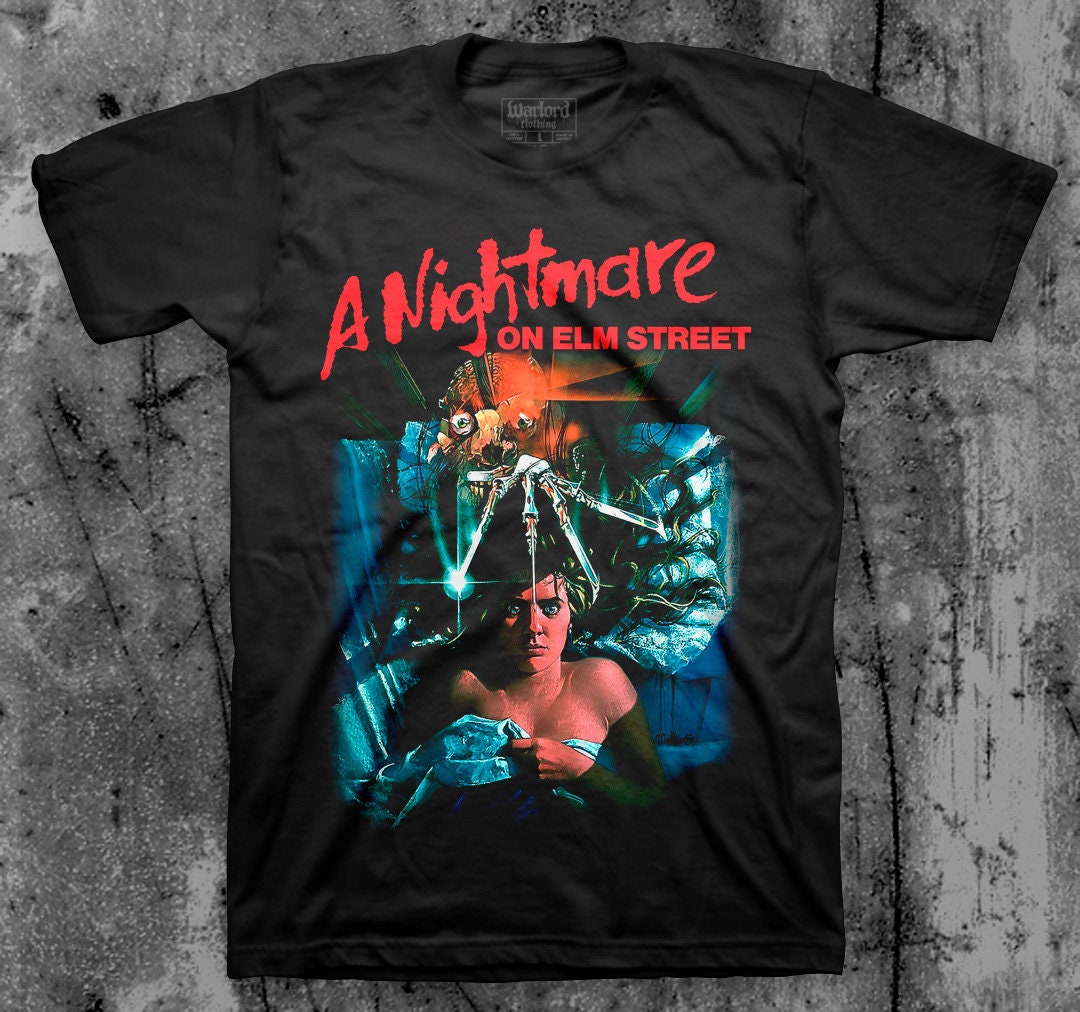 The Ultimate Guide to Nightmare on Elm Street Shirts: Designs, Trends & Collecting Tips
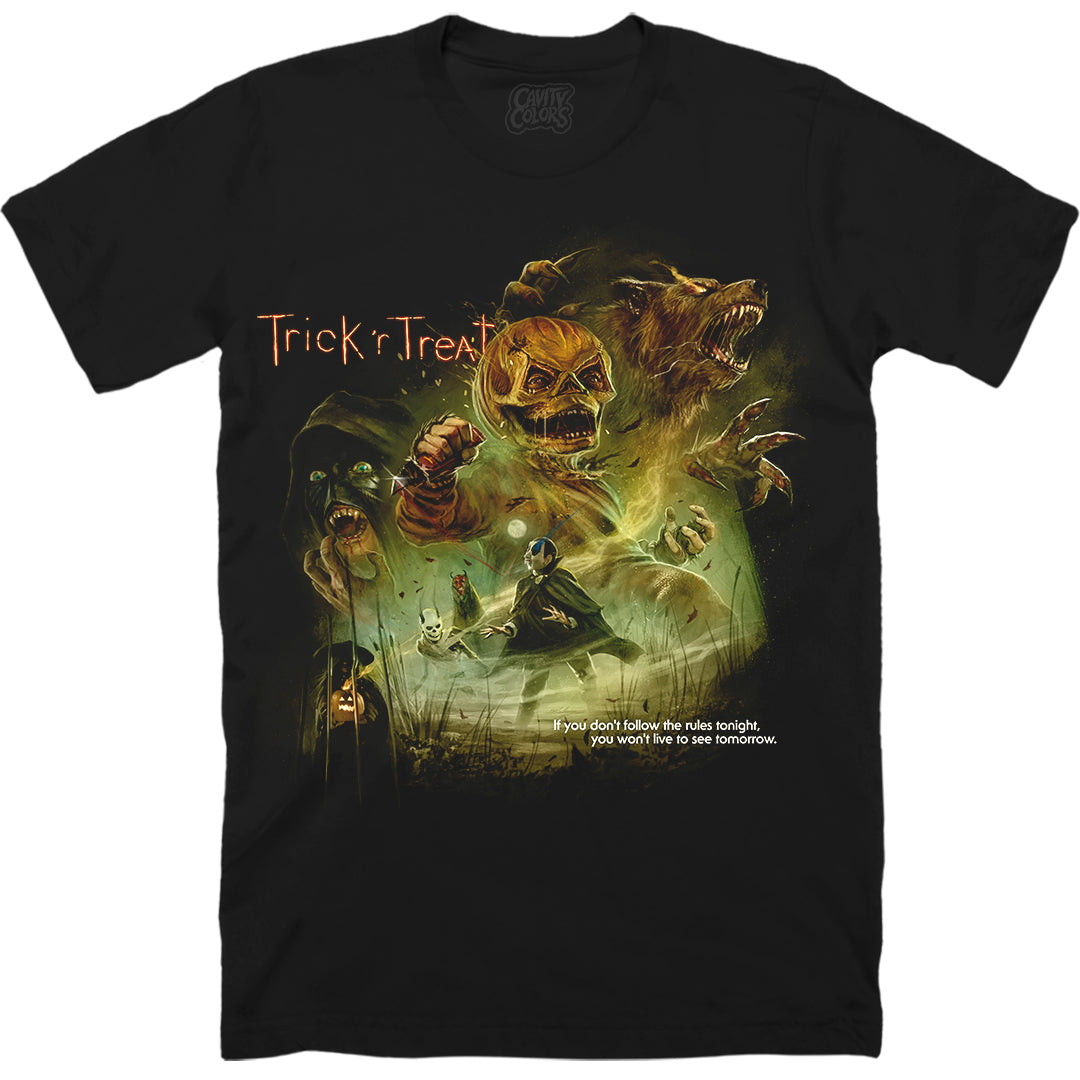 Ultimate Trick or Treat Sam Shirt Guide: Styles, Trends & Buying Tips
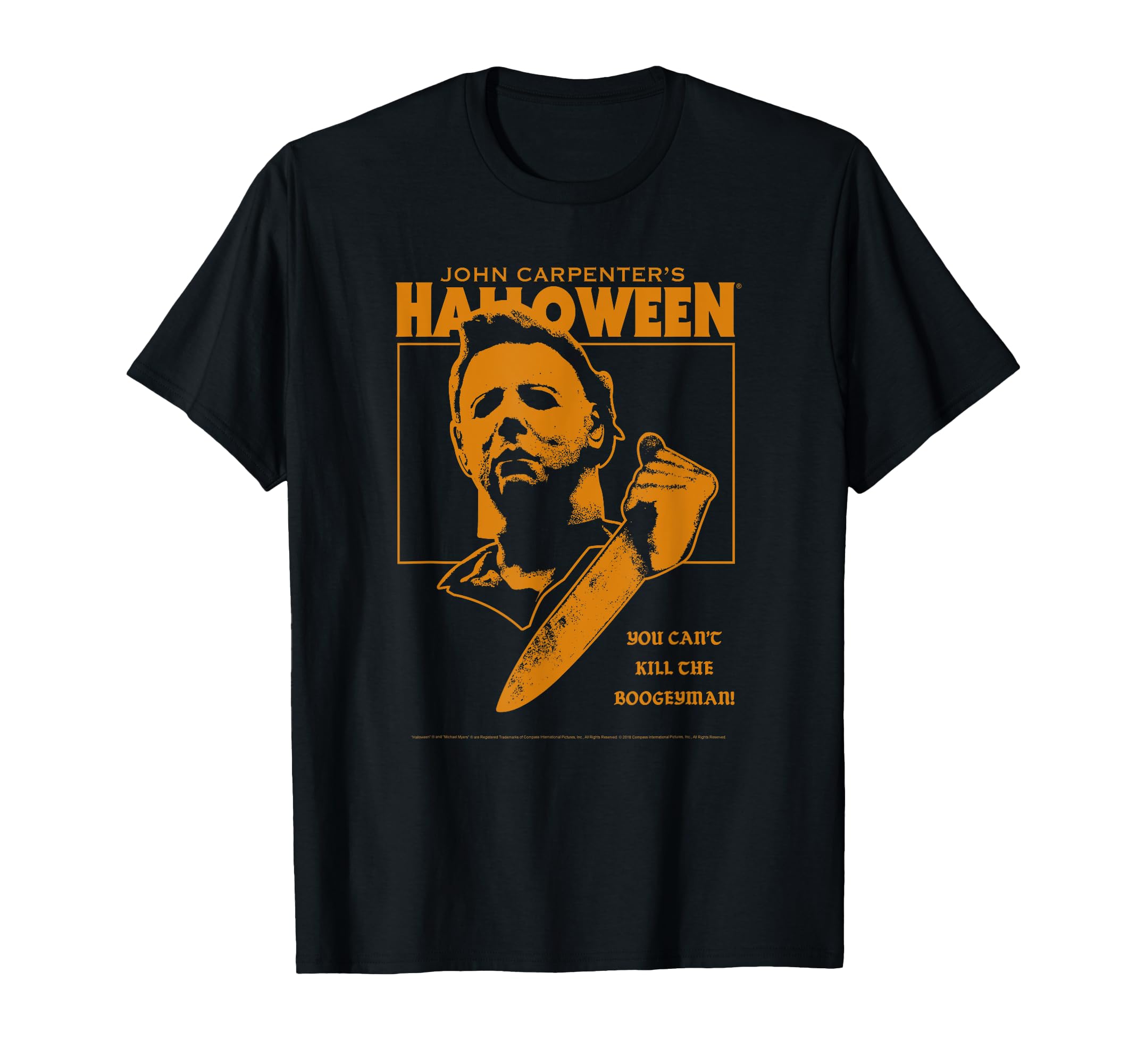 Ultimate 2025 Guide to Finding the Perfect You Can’t Kill the Boogeyman Shirt
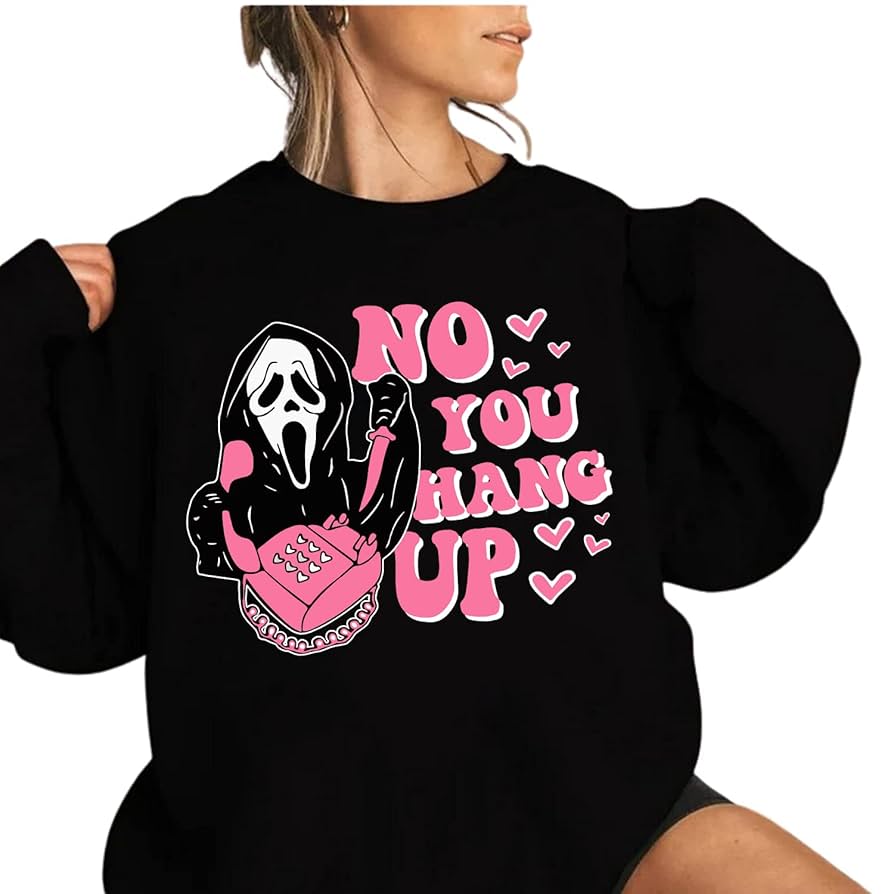 Ghostface No You Hang Up Shirt: Ultimate Guide to Meaning, Quality & Style
 Ghostface Shirt Explained: Meaning, Styles, and Where to Buy in 2025