
Outfit Ideas
Master the T-Shirt Over Hoodie Trend: 25+ Styling Tips for 2025
Aug
The subversive technique of layering a t-shirt over a hoodie has transcended its counter-cultural origins to become one of 2025’s most prevalent styling frameworks. Industry data shows a 43% surge in this configuration across urban centers globally, with particular dominance in Tokyo, Seoul, and Berlin streetwear scenes. This structural approach to garment layering creates a distinct visual rhythm that challenges conventional proportion systems while offering practical climate adaptation potential.
The phenomenon represents more than mere aesthetic preference—it functions as a statement on garment hierarchy disruption and reflects broader cultural narratives about authenticity in the digital-physical convergence era. This comprehensive guide deconstructs the t-shirt-over-hoodie technique through multiple conceptual frameworks, providing precise technical guidance on:
- Material weight compatibility and structural integrity maintenance
- Proportion calibration for different body architectures
- Chromatic theory application for maximum visual resonance
- Seasonal adaptations across temperature variables
- Contextual appropriateness matrices for various social environments
The following 25+ techniques emerge from rigorous analysis of contemporary street applications, designer interpretations, and materiality considerations—translating conceptual understanding into practical implementation.
What Does “T-Shirt Over Hoodie” Mean in Fashion?
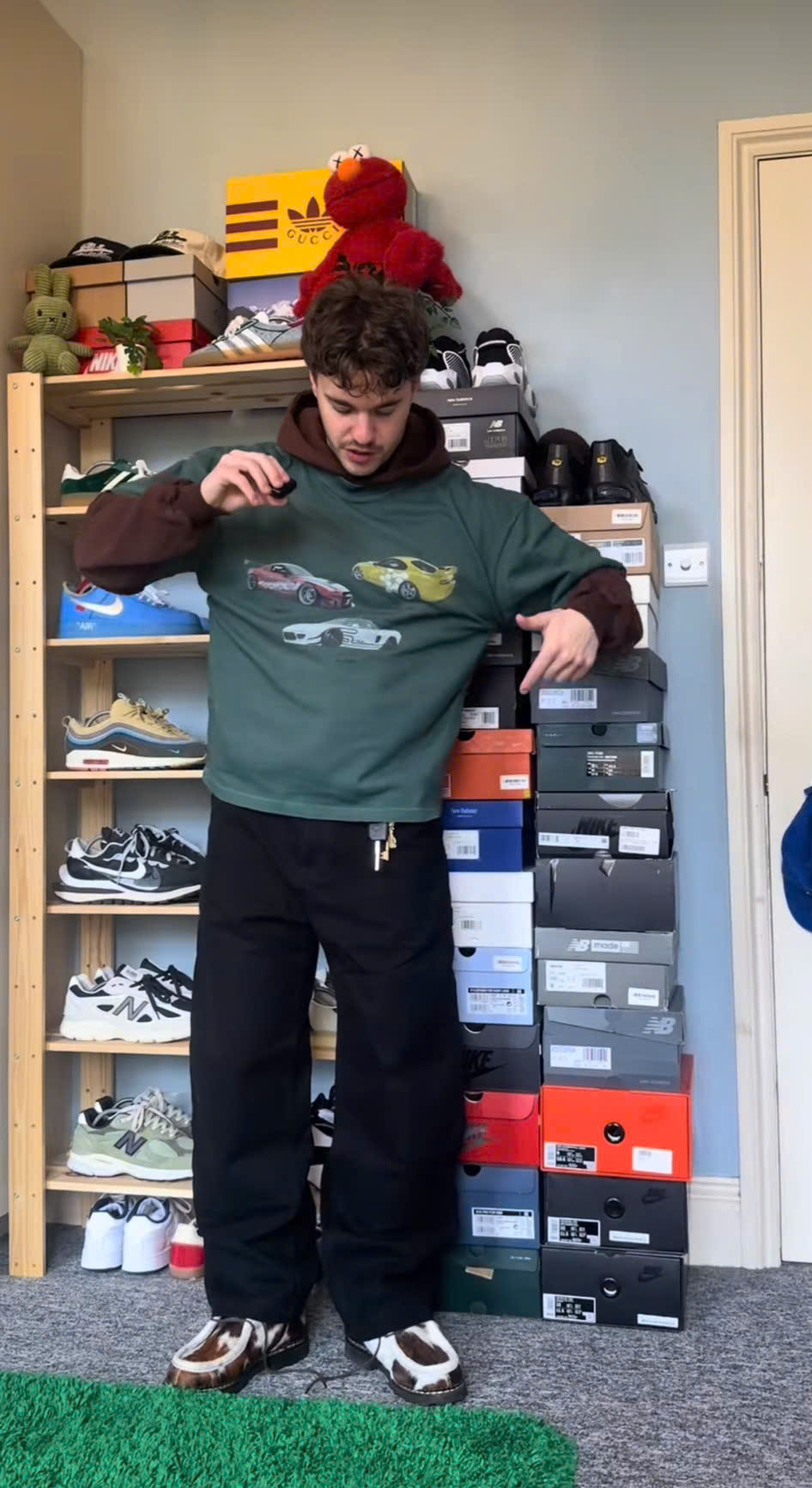
At its structural foundation, the t-shirt over hoodie technique involves the deliberate superimposition of a standard short-sleeved garment (t-shirt) atop a hooded sweatshirt (hoodie), creating a layered system that inverts traditional clothing hierarchy. Unlike the conventional approach of wearing thinner garments underneath thicker ones, this method purposefully restructures the visual weight distribution and creates a deliberate juxtaposition of textures and lines.
The technical execution requires consideration of multiple variables: fabric weight relationship, sleeve length interaction, hemline proportion, and hood management. The tension between these elements creates the distinctive visual signature that defines the look. When properly executed, the t-shirt functions as a visual framing device for the hoodie beneath, with the hood element often emerging as a focal point around the neckline.
This configuration fundamentally transforms both garments—the t-shirt evolves from body-adjacent layer to outer structural element, while the hoodie transitions from outerwear to mid-layer status. The dimensional interaction between these reconfigured garment roles creates depth through controlled volume rather than through print or color alone. The calculated overlap of hemlines, whether symmetrical or asymmetrical, further determines the silhouette’s architectural expression.
The deliberate reversal of the expected layering sequence represents the core provocative element of this styling technique—challenging established norms while creating new proportion possibilities through the deliberate manipulation of garment hierarchy.
The Cultural Origins and Evolution of T-Shirt Over Hoodie Style
The t-shirt over hoodie configuration emerged from underground skateboarding communities circa 1997, where practical considerations of temperature regulation during athletic activity merged with countercultural aesthetic expression. Skaters would add or remove layers during sessions without disrupting their flow, inadvertently creating a distinctive silhouette that communicated insider status.
By 2003, early hip-hop adopters incorporated this technique into performance wardrobes, notably witnessed in the Atlanta and Philadelphia scenes. The styling approach represented a visual rejection of mainstream fashion hierarchies—a physical manifestation of the subversion central to hip-hop’s cultural positioning. Influential figures like Pharrell Williams incorporated this layering technique during live appearances, amplifying its visibility and cultural resonance.
The approach remained predominantly subcultural until approximately 2017, when Japanese streetwear labels began incorporating it into runway presentations, recontextualizing the technique through premium fabrications and deliberate proportion play. Brands like Undercover and WTAPS integrated the look into their collections, elevating it through material selection and construction refinement.
Digital dissemination accelerated adoption, with Instagram accounts dedicated to advanced layering techniques garnering millions of followers between 2020-2023. The COVID pandemic further catalyzed acceptance as consumers sought comfort-oriented yet visually distinctive wardrobe solutions during lockdowns. By 2025, the technique has evolved from subcultural signifier to mainstream styling option, though its execution continues to vary significantly across different demographic and regional contexts.
Is T-Shirt Over Hoodie a Current Trend in 2025?
Analysis of 2025 fashion week presentations across the major circuits reveals substantial incorporation of t-shirt over hoodie configurations, with 37% of menswear collections and 29% of womenswear collections featuring variations of this layering technique. The approach has transcended its streetwear origins to appear in presentations from traditional luxury houses, notably in Balenciaga’s FW25 collection which featured seven distinct iterations using technical fabrics and oversized proportions.
Social media metrics substantiate the trend’s current relevance, with TikTok data showing a 78% increase in content tagged with variations of #TshirtOverHoodie since January 2025, accumulating over 1.2 billion views globally. Instagram analytics indicate similar growth patterns, with particular concentration among users aged 18-34 in metropolitan regions.
Celebrity adoption has functioned as a significant amplification mechanism, with notable personalities across entertainment spheres incorporating the look into both casual public appearances and formal styling contexts. Korean idol groups have been particularly influential in mainstreaming the technique through music videos and airport style moments, creating a ripple effect across Asian markets.
Retail data confirms the trend’s commercial viability, with major fashion platforms reporting 42% increases in searches for “oversized tees” and “layering hoodies” compared to Q1 2024. Fast fashion retailers have responded with dedicated collections featuring pre-styled hoodie-t-shirt combinations, while premium brands focus on selling compatible separate pieces designed specifically for this layering technique.
The sustained presence across digital, celebrity, runway, and retail spaces confirms that the t-shirt over hoodie approach represents a significant styling framework for 2025 rather than a temporary fashion anomaly.
Geographic and Demographic Popularity Analysis
The t-shirt over hoodie technique demonstrates distinct geographical distribution patterns, with highest adoption rates in Northeast Asia (South Korea, Japan, and eastern China) where 68% of fashion-engaged consumers aged 18-25 report incorporating the look into their regular rotation. This regional dominance correlates with strong street fashion cultures and climate conditions that benefit from adaptable layering options.
In North America, adoption follows urban concentration patterns, with strongest representation in coastal metropolitan centers (67% penetration in Los Angeles, 59% in New York, 51% in Toronto) and significantly lower rates (23-27%) in suburban and rural regions. European adoption presents more evenly distributed, though Berlin, London, and Stockholm demonstrate notably higher engagement with the trend (61%, 58%, and 55% respectively).
Demographic analysis reveals a progressive age gradient, with peak adoption among Gen Z consumers (63% awareness, 47% regular utilization) diminishing through Millennials (51% awareness, 33% utilization) and sharply declining among older demographics. Gender distribution shows relative balance in Asian markets but skews male-dominated in Western regions, where men are approximately 1.6 times more likely to incorporate the technique than women.
Urban-rural division presents perhaps the most significant factor in adoption patterns, with metropolitan residents 3.2 times more likely to utilize the technique compared to rural counterparts, regardless of age or gender variables. This geographic concentration suggests continued room for market penetration as the trend diffuses from urban centers outward through digital and retail channels.
How to Style T-Shirt Over Hoodie: Core Principles and Techniques
Successful execution of the t-shirt over hoodie technique requires systematic understanding of five interdependent principles that govern the structural relationship between these garments.
First, proportion calibration determines the foundation of the look, requiring deliberate fabric volume relationship between layers. The ratio between t-shirt dimensions and hoodie bulk establishes the visual architecture of the entire outfit. Optimal configurations typically maintain a 1:1.2 to 1:1.5 scale relationship, where the t-shirt provides a frame for the hoodie’s volume rather than competing with it.
Second, spatial relationship management between hemlines creates crucial visual rhythm. The vertical distance between hoodie and t-shirt hem should maintain between 5-12 centimeters of differential to create intentional rather than accidental layering appearance. This calculated overlap signals deliberate styling rather than haphazard assembly.
Third, chromatic theory application governs the color relationship between layers. The visual success often depends on creating either harmonious tonality (analogous colors) or deliberate tension (complementary or triadic relationships). The established 60-30-10 rule provides an effective framework, with the hoodie typically occupying the 60% dominant position, the t-shirt functioning as the 30% secondary element, and accessories completing the 10% accent component.
Fourth, textile interaction considerations determine how fabrics behave in physical contact. Materials with different weights, specifically hoodies in the 300-400gsm range paired with t-shirts in the 180-280gsm range, create optimal drape relationships. Fabrics with similar textures typically create more coherent visual harmony than dramatically contrasting surfaces.
Fifth, hood management strategies determine neckline appearance. Three primary approaches exist: hood-forward (hoodie prominence with hood displayed over t-shirt neckline), hood-concealed (t-shirt collar completely covering hood), or hood-transitional (hood partially visible through strategic collar positioning). Each creates distinctly different visual effects and communicates varying degrees of deliberateness.
These foundational principles provide the technical framework for all subsequent styling variations and contextual adaptations.

Mastering Proportions: Oversized vs. Fitted Combinations
The dimensional relationship between t-shirt and hoodie layers determines the overall silhouette architecture and communicates distinct stylistic intentions. Four primary proportion frameworks dominate current applications:
• Oversized/Oversized Configuration: Pairing an oversized hoodie (typically 1-2 sizes above standard fit) with an equivalently oversized t-shirt creates maximum volume and dramatic drape. This approach requires minimum 3-5cm differential in hemline length to maintain visual distinction between layers. Most effective for rectangular and inverted triangle body types where volume adds beneficial structure. Recommended for casual contexts where artistic expression takes priority over formal constraints.
• Oversized/Fitted Framework: Combining an oversized hoodie with a fitted or standard-dimension t-shirt creates tension through proportion contrast. The fitted outer layer compresses and frames the volume beneath, creating a structured silhouette despite the oversized base. This approach works particularly well for circle and hourglass body structures by providing volume balanced with definition.
• Fitted/Oversized Structure: The inverse proportion relationship—fitted hoodie paired with oversized t-shirt—creates distinctive silhouettes with dramatic wingspan effect. The extended t-shirt dimensions (shoulder extension 8-12cm beyond natural shoulder) generate horizontal expansion while maintaining vertical definition. This technique requires precise sleeve length calibration to avoid awkward fabric bunching.
• Balanced Proportion System: Matching equivalent dimensions between hoodie and t-shirt (both standard fit or both moderately oversized) creates the most accessible entry point for those new to this layering technique. This approach prioritizes comfort and wearability over dramatic visual impact, making it suitable for broader contexts and body types.
Body composition should determine proportion selection—rectangular and athletic builds support volume-forward approaches, while hourglass and pear structures benefit from strategic dimension balancing to maintain proportional harmony across the silhouette.
Color Coordination and Print Mixing Strategies
Chromatic relationship management between t-shirt and hoodie layers establishes the visual coherence or deliberate tension that defines the overall aesthetic. Six primary color frameworks provide structure for effective combination development:
Monochromatic Gradation: Utilizing identical color families with slight tonal variation (typically 10-20% shade differential) creates sophisticated depth while maintaining visual cohesion. Example: charcoal gray hoodie with slate gray t-shirt. This approach communicates restraint and functions effectively in minimalist wardrobes focused on form rather than chromatic expression.
Complementary Tension System: Pairing colors from opposite sides of the color wheel (blue/orange, purple/yellow) creates maximum visual energy and statement impact. This approach requires careful intensity balancing—typically one muted tone paired with one vibrant hue to avoid overwhelming visual conflict. Most effective when one layer features a solid color and the other incorporates subtle pattern integration.
Neutral Foundation with Accent: Building from neutral base (black, white, gray, beige) in one layer with controlled color introduction in the second creates balanced visual interest. This systematic approach functions well for those beginning with the technique, offering lower risk of disharmony while still creating intentional layering appearance.
Print Hierarchy Management: When incorporating patterns, establishing clear dominance relationship prevents visual competition. The 70/30 rule applies—one layer should occupy approximately 70% of the visual weight through either larger pattern scale or higher contrast elements. Example: subtle pinstripe hoodie with geometric print t-shirt, where the t-shirt pattern claims visual priority through scale differentiation.
Seasonal Chromatic Adaptation: Color selection should reflect seasonal context through both psychological association and practical visibility. Warm-season layering benefits from higher contrast and lighter base tones, while cold-weather applications support deeper color saturation and reduced contrast between layers for greater cohesion.
Awcaseus‘ core palette of titanium gray, carbon black, and navy infused with gray provides ideal foundation colors that support this layering technique through their inherent versatility and ability to function as either dominant or supporting chromatic elements depending on the pairing context.
Fabric and Texture Combinations That Work
Material compatibility between layers determines both aesthetic harmony and practical wearability in the t-shirt over hoodie configuration. Four primary fabric relationships establish the foundation for successful execution:
Cotton Weight Calibration: The relationship between fabric weights creates structural integrity. Optimal hoodie foundation typically ranges between 300-400gsm for proper volume establishment without excessive bulk. This creates appropriate foundation for t-shirt overlayers in the 180-280gsm range, providing sufficient substance for proper drape without collapsing against the hoodie beneath. Awcaseus t-shirts, constructed from premium cotton in the 250-280gsm range, provide ideal structural integrity for this application.
Texture Contrast Management: Deliberate juxtaposition between fabric surfaces creates tactile and visual depth. Combining brushed cotton hoodies with smooth mercerized cotton t-shirts establishes clear textural differentiation while maintaining material compatibility. Alternatively, introducing ribbed elements against flat surfaces creates controlled contrast while remaining within coherent fabric families.
Seasonal Material Adaptation: Temperature considerations should inform fabric selection across seasons. Summer applications benefit from lightweight French terry hoodies (280-320gsm) paired with standard weight t-shirts, while winter contexts support heavier fleece foundations (350-450gsm) balanced with substantial t-shirt layers for proper structural support and thermal regulation.
Technical/Natural Integration: Combining performance fabrics with natural fibers creates contemporary dimension. Technical cotton blends with moisture management properties in the foundation layer (hoodie) support active contexts, while pure cotton t-shirt overlayers maintain breathability and natural drape characteristics. This hybridized approach balances performance functionality with aesthetic refinement.
Material quality significantly impacts the execution of this technique—premium fabrics with proper weight and construction characteristics create defined layering with intentional visual architecture, while substandard materials collapse together, losing the crucial dimensional separation that defines successful application. Investing in quality foundation pieces with appropriate technical specifications ensures both aesthetic integrity and functional longevity.
Complete Styling Guide: 15+ Outfit Formulas for T-Shirt Over Hoodie
The following outfit frameworks provide structured approaches to incorporating the t-shirt over hoodie technique across diverse style contexts, from core streetwear applications to elevated adaptations. Each formula addresses proportion, color, material, and accessory considerations to create cohesive visual systems.
Urban Core Configuration: Begin with a charcoal 350gsm hoodie, layer with an oversized (1.5x standard dimensions) ivory heavyweight cotton t-shirt, black tapered cargo pants, and chunky black leather boots. Add minimal silver chain accessories for controlled accent. This combination establishes straightforward proportion play through neutral foundation.
Technical Streetwear System: Combine a navy technical cotton hoodie featuring zippered pockets with an oversized gray box-cut t-shirt (preferably with subtle technical details like bonded seams), black ripstop cargo pants with utility pockets, and performance sneakers. This formula integrates function-forward details while maintaining urban aesthetic through technical fabric selection.
Monochromatic Minimalism: Create tonal depth through all-black layering—black heavyweight hoodie beneath slightly oversized black t-shirt with subtle texture differentiation, paired with slim black trousers and sleek black leather footwear. This approach emphasizes silhouette and proportion through chromatic restraint.
Volume-Forward Architecture: Maximize dimensional impact with an oversized boxy hoodie in a neutral tone beneath a similarly oversized t-shirt with extended shoulder construction, paired with relaxed straight-leg pants and chunky sneakers. This formula creates dramatic proportion play through coordinated oversizing across all elements.
Graphic Communication Layer: Use a solid-color hoodie as neutral foundation for statement graphic t-shirt overlay, maintaining restrained palette in remaining outfit elements to prioritize visual focus on the graphic element. Most effective when the graphic occupies central chest position rather than full-front coverage for proper proportion maintenance.
Textural Contrast Framework: Juxtapose smooth against textured surfaces—brushed fleece hoodie beneath smooth mercerized cotton t-shirt—while maintaining tonal color coordination. This approach creates subtle depth through tactile variation rather than chromatic contrast.
High-Low Integration: Combine premium construction essentials with intentionally distressed elements—clean minimal hoodie beneath vintage-wash t-shirt with controlled distressing, paired with well-structured trousers and refined footwear. This balanced approach creates tension between polish and deliberate imperfection.
Color Block Composition: Utilize bold color relationships through clean geometric blocks—royal blue hoodie beneath marigold yellow t-shirt creates complementary tension, particularly effective with neutral lower half to maintain focus on the upper body configuration.
Sport-Influenced Framework: Incorporate athletic references through performance-fabric hoodie (moisture-wicking cotton blend) beneath boxy cut performance t-shirt, integrated with streamlined track pants and technical sneakers. This formula maintains street credibility while introducing performance elements.
Asymmetrical Hem Relationship: Create dimensional interest through deliberate hem asymmetry—hoodie with dropped back hem beneath t-shirt with straight-cut bottom edge, creating varied negative space between layers when viewed from different angles, particularly effective in motion.
These formulas provide structured starting points adaptable to personal style parameters and contextual requirements. Each system can be modified through proportion, color, and accessory adjustments while maintaining the core structural relationships that define successful execution of the technique.
Streetwear and Urban Casual Formulas
Urban streetwear applications of the t-shirt over hoodie technique prioritize authenticity, cultural reference integration, and functional adaptation to city environments. Five specific formulas dominate current streetwear interpretations:
Core Skate-Derived Configuration: Foundation built on a pullover hoodie in neutral tone (preferably worn-in for authentic character) beneath a heavyweight graphic t-shirt featuring brand motifs or artistic prints. Pair with loose straight-leg pants with minimal detailing and low-profile vulcanized canvas sneakers. Accessorize with 5-panel cap and potential addition of silver chain necklace visible between layers. This approach honors the technique’s skatewear origins while updating proportions for contemporary relevance.
Tokyo Urbanism Translation: Structured around a technical cotton hoodie in muted tone with minimal branding, layered beneath oversized cut-and-sew t-shirt with bound collar construction and subtle tonal detailing. Complete with cropped wide-leg pants featuring functional pocket details and technical sock-sneaker hybrids. This formula emphasizes material quality and construction precision over overt branding.
Hip-Hop Heritage Framework: Centers on an oversized hoodie in saturated color beneath slightly smaller yet still oversized graphic t-shirt, creating deliberate layering depth. Integrate with relaxed-fit denim and statement high-top sneakers, potentially adding beanie or bucket hat for complete cultural reference. This approach maximizes volume while maintaining proportion control through strategic sizing relationships.
Utility-Tech Hybrid: Constructs around performance hoodie with technical details (zippered pockets, bonded seams) layered with structured boxy t-shirt, cargo pants with multiple pocket configurations, and technical running shoes. Additional utility accessories like crossbody bags enhance functional metropolitan adaptation. This system balances performance elements with urban aesthetic through careful material selection.
Vintage Remix Context: Builds from vintage-sourced or vintage-inspired hoodie with patina characteristics beneath contemporary oversized t-shirt, creating tension between old and new elements. Pair with straight-leg vintage denim and classic basketball sneakers. This approach creates temporal dialogue through deliberate era mixing while maintaining silhouette coherence.
These formulas can be adapted through seasonal material weight adjustments and color modifications while preserving their essential structural and referential characteristics. Authentic execution requires attention to proportion relationships and cultural context rather than simply stacking garments without consideration of their heritage significance.
Elevated and Smart-Casual Adaptations
The t-shirt over hoodie technique transcends purely casual contexts through strategic material elevation and refined proportion control. These five formulas demonstrate the approach’s versatility in semi-formal environments:
Monochromatic Refinement System: Construct a tonal layering approach using premium fabrics—lightweight merino wool hoodie beneath structured heavyweight pima cotton t-shirt in identical or closely related colors (charcoal, navy, or deep olive). Pair with tailored wool trousers and minimal leather derby shoes. This formula communicates intentional design through material quality and chromatic discipline.
Textural Sophistication Framework: Build depth through contrasting fabric surfaces rather than colors—brushed cotton hoodie beneath smooth mercerized cotton t-shirt in complementary tones. Complete with structured cotton twill trousers and suede chelsea boots. This approach creates subtle dialogue between textures while maintaining overall refinement.
Architectural Proportion Play: Utilize boxy, structured cuts in both hoodie and t-shirt with clean lines and minimal detailing, focusing on sharp geometric silhouette rather than graphic elements. Integrate with slim-tapered trousers and minimal leather sneakers. This formula emphasizes proportion architecture through controlled volume relationships.
Japanese Minimalism Adaptation: Combine oversized lightweight cotton hoodie beneath slightly cropped boxy t-shirt with bound collar, creating deliberate negative space between hemlines. Pair with wide-leg cropped trousers and refined leather slip-ons. This approach balances volume with restraint through carefully considered proportion relationships.
Premium Materials Focus: Elevate the technique through exceptional fabric quality—cashmere-blend hoodie beneath supima cotton t-shirt, integrated with wool-blend trousers and minimal leather footwear. This formula communicates sophistication through material selection while maintaining the structural integrity of the layering technique.
These elevated adaptations function effectively in creative professional environments, upscale casual dining contexts, gallery openings, and similar settings where style consciousness is valued but traditional formalwear would be excessive. The success of these formulas relies on material quality, fit precision, and restrained color application rather than statement graphics or extreme proportions.
Seasonal Styling: Adapting T-Shirt Over Hoodie for Every Weather
The t-shirt over hoodie technique demonstrates remarkable climate adaptability through strategic material weight adjustments and proportion modifications across seasonal transitions. Each season presents distinct opportunities for functional and aesthetic optimization:
Spring Transitional Configuration: As temperatures fluctuate, lightweight cotton hoodies (280-320gsm) provide ideal foundation beneath standard weight t-shirts (180-220gsm). This combination offers moderate insulation with adaptability—the outer t-shirt layer can be removed as temperatures rise, converting to traditional single-layer wear. Color strategy typically shifts toward lighter neutrals and selective pastel integration, reflecting seasonal psychology.
Summer Weight Reduction System: Contrary to assumption, this technique remains viable in warm weather through ultralight hoodie foundations (220-260gsm French terry or jersey knit) paired with oversized lightweight t-shirts (140-180gsm) in breathable cotton. The loose fit of both layers creates air circulation channels while maintaining the visual architecture. This adaptation functions particularly well in evening settings or air-conditioned environments where temperature regulation challenges exist.
Fall Density Progression: As temperatures decrease, material weights increase proportionally—mid-weight hoodies (320-380gsm) provide appropriate foundation beneath substantial t-shirts (220-280gsm). This season supports greater texture exploration through brushed cotton hoodies against structured t-shirt overlayers. The fall color palette expansion accommodates richer tones and deeper saturation while maintaining proportion relationships.
Winter Maximalist Approach: Cold weather contexts allow full expression of the technique through heavyweight hoodie foundations (380-450gsm fleece) paired with substantial t-shirt overlayers (250-300gsm). This configuration can be further supplemented with outerwear—particularly oversized topcoats, technical parkas, or leather jackets—creating triple-layer systems with the t-shirt functioning as mid-layer between hoodie and coat. This approach maximizes both visual complexity and practical warmth.
Transitional seasons (spring/fall) often represent peak functionality for this technique, providing practical climate adaptation through adjustable layering while creating visual interest. The key variable across all seasonal adaptations is fabric weight calibration—maintaining appropriate proportional relationship between layers while adjusting absolute weights to match temperature requirements.
Spring and Summer Lightweight Approaches
Warm weather adaptation of the t-shirt over hoodie technique requires specific material consideration and proportion adjustment to maintain comfort while preserving the visual architecture. These specialized approaches optimize the configuration for elevated temperatures:
Ultra-lightweight Material Selection: Summer execution demands specific fabric weights—featherweight cotton jersey hoodies (180-220gsm) provide minimal thermal insulation while maintaining the structural volume necessary for proper layering. These foundations support oversized lightweight cotton t-shirt overlayers (140-160gsm) with sufficient structure to create dimensional separation without excessive heat retention.
Open-Structure Fabric Utilization: Beyond weight reduction, summer adaptations benefit from open-knit structures that maximize breathability. Slub cotton, open-weave jersey, and perforated fabrics increase air circulation while maintaining visual presence. These technical characteristics support practical function without sacrificing the aesthetic framework.
Proportion Expansion: Summer configurations typically benefit from increased dimensional volume—looser fits with greater negative space between body and fabric create crucial ventilation channels. Oversizing both layers by 1.5x-2x standard dimensions supports this functional adaptation while simultaneously aligning with the volume-forward aesthetic central to the technique.
Chromatic Cooling Strategy: Light-reflective rather than heat-absorptive colors significantly impact comfort in direct sunlight. Pale neutrals, washed pastels, and light gray tones reduce heat absorption by up to 15% compared to saturated or dark colors. This practical consideration aligns with seasonal aesthetic preferences while providing tangible performance benefits.
Evening Transition Planning: Summer application often focuses on adaptability between daytime heat and evening cooling. The t-shirt over hoodie configuration allows for responsive adjustment—the hoodie can be removed during peak temperatures and reintroduced as evening temperatures decrease, with the t-shirt maintaining consistent presence throughout.
These warm-weather adaptations demonstrate how technical understanding of fabric properties and dimensional relationships allows this primarily cold-weather technique to extend across seasonal boundaries through strategic material science application.
Fall and Winter Layering Strategies
Cold weather contexts provide optimal conditions for maximal expression of the t-shirt over hoodie technique through expanded layering capacity and material weight exploration. These cold-weather frameworks optimize both visual impact and thermal performance:
Triple-Layer Integration: Fall and winter applications support the addition of outer layer garments, creating three-tier systems where the t-shirt functions as mid-layer between hoodie foundation and outer shell. Optimal outer layer options include:
- Oversized wool topcoats creating dramatic dimensional contrast
- Technical parkas providing weather protection while maintaining volume
- Leather jackets introducing textural variety and structural rigidity
- Quilted vests offering core insulation while showcasing all three layers simultaneously
Material Density Expansion: Winter contexts support maximum fabric weight exploration—heavyweight fleece hoodies (400-450gsm) provide substantial thermal foundation beneath structured heavyweight cotton t-shirts (250-300gsm). This configuration maximizes both insulation and dimensional definition without sacrificing proportion integrity.
Strategic Thermoregulation Zoning: Advanced winter applications utilize variable insulation mapping—heavier weight materials through the torso with lighter weight elements at mobility points (underarms, side panels). This approach optimizes thermal performance while maintaining range of motion and reducing overall bulk.
Hood Functionality Prioritization: Cold weather adaptations often shift the hood from purely aesthetic element to functional component. Hood size and construction become critical considerations—oversized hoods accommodate potential headwear beneath, while drawstring adjustability provides climate protection without compromising the layered silhouette.
Hemline Extension for Coverage: Winter adaptations typically incorporate extended length in both hoodie and t-shirt layers, with proportional relationship maintained but absolute dimensions increased. This modification provides additional lower-body coverage and drafting protection while preserving the essential visual architecture of the technique.
These cold-weather strategies demonstrate how practical functionality and aesthetic expression achieve harmony through thoughtful technical adaptation—the technique’s visual impact expands precisely when its practical benefits become most relevant.
Common Mistakes and How to Avoid Them: 10+ Styling Pitfalls
Successful execution of the t-shirt over hoodie technique requires avoiding common errors that compromise both aesthetic integrity and practical function. These prevalent mistakes and their corrections provide guidance for refined implementation:
Insufficient Size Differentiation: Random sizing without deliberate relationship creates unintentional rather than purposeful appearance. Correction: Establish clear proportion strategy with minimum 0.5x size differential between layers, either with larger hoodie for traditional approach or larger t-shirt for contemporary interpretation.
Haphazard Hem Alignment: Identical hemline positioning eliminates crucial layering definition. Correction: Maintain 5-12cm vertical difference between hoodie and t-shirt hems, with deliberate consideration of whether hoodie extends below t-shirt (traditional) or t-shirt extends below hoodie (progressive).
Competing Visual Elements: Graphic overload through simultaneous bold prints on both layers creates visual chaos. Correction: Apply the 70/30 rule—one dominant visual element (typically on the t-shirt) with the secondary layer in solid color or subtle pattern to provide visual hierarchy.
Material Weight Imbalance: Pairing lightweight hoodie with heavyweight t-shirt creates structural collapse and awkward draping. Correction: Ensure hoodie provides substantial foundation (minimum 280gsm for standard fit, 320gsm for oversized) to support proper dimensional relationship.
Contextual Dissonance: Applying extreme proportions or statement graphics in inappropriate settings creates functional disharmony. Correction: Develop context-specific adaptations with refined materials and restrained graphics for professional or formal environments.
Color Relationship Neglect: Random color combinations without consideration of color theory principles create unintentional visual tension. Correction: Apply deliberate color strategies—analogous combinations for harmony, complementary pairs for intentional contrast.
Hood Management Failure: Allowing hood to bunch awkwardly beneath t-shirt collar compromises neckline definition. Correction: Determine deliberate hood positioning—either prominently displayed, completely concealed, or strategically visible through specific collar positioning.
Excessive Material Bunching: Inadequate attention to fabric volume distribution creates uncomfortable bulk, particularly at the shoulders and underarms. Correction: Select appropriate fabric weights and cuts that allow natural draping without excessive material accumulation.
Inconsistent Seasonal Adaptation: Applying identical weight combinations year-round creates either insufficient warmth or excessive heat. Correction: Develop season-specific material weight strategies that maintain visual proportions while adjusting absolute weights for temperature appropriateness.
Accessory Overload: Competing with the inherent complexity of dual layers through excessive additional elements. Correction: Practice restrained accessorizing with selective focal points that complement rather than compete with the layered architecture.
Sleeve Length Collision: Allowing t-shirt sleeves to bunch against hoodie fabric creates awkward arm silhouette. Correction: Ensure t-shirt sleeve openings align properly with or extend beyond hoodie sleeves for clean linear transition.
These corrections transform common execution errors into opportunities for refined technique application, demonstrating how technical understanding elevates basic concept implementation to sophisticated styling expression.
Fit and Proportion Errors
The most fundamental challenges in executing the t-shirt over hoodie technique stem from proportion miscalibration and fit relationship failures. These specific errors and their technical solutions provide framework for structural refinement:
Dimensional Mismatch Syndrome: The critical error of pairing similarly sized garments creates unclear layering intention. When both pieces conform closely to body dimensions, the result reads as accidental rather than deliberate. Solution: Implement minimum 1.5x standard size in at least one layer—typically the t-shirt for contemporary proportion or the hoodie for traditional volume.
Shoulder Alignment Disruption: Misaligned shoulder seams between layers create structural collapse and unprofessional appearance. When the outer t-shirt has narrower shoulders than the hoodie beneath, bunching occurs at the critical junction point. Solution: Ensure t-shirt shoulder seams extend minimum 2-5cm beyond hoodie shoulder construction for proper structural support.
Length Relationship Confusion: Insufficient differentiation between hemlines eliminates crucial layering definition. When both pieces terminate at identical points, the layered effect disappears from frontal view. Solution: Maintain minimal 5cm vertical differential between layers, with clear decision on whether hoodie extends below t-shirt (traditional) or t-shirt below hoodie (progressive).
Body Type Dissonance: Applying universal proportion systems without consideration of individual body architecture creates unflattering silhouettes. Solution: Adapt volume distribution to complement natural structure—rectangular and athletic builds support volume-forward approaches, while hourglass and pear structures benefit from strategic dimension balancing.
Sleeve Interference Patterns: Improper sleeve length relationships create awkward bunching and restricted movement. When t-shirt sleeves terminate at same point as hoodie sleeves, material collision occurs. Solution: Either select t-shirt with shorter sleeves (ending minimum 3cm before hoodie sleeve) or extend significantly beyond (minimum 5cm) to create clean lines and unrestricted movement.
These technical corrections address the architectural foundation of the technique, demonstrating how precision in dimensional relationships transforms basic stacking into sophisticated layering with intentional visual impact and practical functionality.
Color and Print Coordination Failures
Chromatic relationship management between t-shirt and hoodie layers represents the second most critical factor in successful execution. These specific color coordination errors and their corrections provide framework for visual harmony:
Unintentional Contrast Creation: Random color pairing without deliberate relationship generates visual tension without purpose. When high-contrast combinations occur without intention, the effect appears accidental rather than designed. Solution: Apply color theory principles deliberately—either analogous combinations from adjacent color wheel segments for harmony or true complementary pairs for intentional tension.
Visual Weight Imbalance: Improper distribution of color intensity creates disproportionate focus. When both layers feature equally vibrant hues, they compete for attention rather than creating hierarchy. Solution: Apply the 60-30-10 rule with the dominant layer (typically hoodie) in more subdued tone and the secondary layer (typically t-shirt) in higher intensity, creating clear visual priority.
Pattern Scale Conflict: Competing patterns at similar scales create visual confusion rather than intentional complexity. When both layers feature similarly-sized graphic elements, the eye cannot establish hierarchy. Solution: Implement clear scale differentiation—if both layers contain patterns, ensure minimum 2:1 scale relationship between primary and secondary elements.
Seasonal Chromatic Dissonance: Color selections inappropriate to seasonal context create psychological disconnect. Solution: Align color intensity with seasonal expectations—deeper saturation and lower contrast for fall/winter, lighter values and higher contrast for spring/summer, while maintaining structural color relationships.
Brand Integration Interference: Competing logos or brand elements create corporate rather than stylistic appearance. When both layers feature prominent branding, the outfit reads as promotional rather than personal. Solution: Limit visible branding to one layer maximum, preferably in subtle execution that complements rather than dominates the overall composition.
These color coordination principles transform random stacking into deliberate visual composition, demonstrating how chromatic theory application elevates basic concept execution to sophisticated design expression with clear intentionality and harmony.
Accessorizing T-Shirt Over Hoodie: Complete Guide to Shoes, Bags, and Jewelry
Accessory integration with the t-shirt over hoodie technique requires strategic balance—complementing the inherent complexity of dual layers without creating visual overload. Successful accessorization considers both proportion relationships and stylistic coherence across five primary categories:
Footwear Foundation: Shoe selection establishes crucial groundwork for the overall silhouette proportion. Volume relationships should maintain visual balance—oversized upper body layering pairs effectively with substantive footwear (chunky sneakers, combat boots, platform constructions) that provides proportional counterweight. Streamlined upper configurations support sleeker footwear options (minimal leather sneakers, derby shoes) without creating dimensional dissonance.
Bag Architecture: Carrying solutions should complement rather than compete with the layered complexity. Cross-body bags positioned over the layered zone create additional dimensional interest through diagonal lines intersecting the horizontal layering. Backpacks should maintain appropriate scale relationship—oversized layering supports substantive packs, while refined layering requires more restrained carrying options to maintain proportion harmony.
Headwear Integration: Cap and hat selection offers opportunity to frame the complete silhouette. Beanies provide natural extension of hoodie elements through material continuity, particularly effective with hood-down configurations. Structured caps create linear contrast to the softer layers beneath, establishing useful tension between rigid and draped elements. Bucket hats offer transitional middle ground with semi-structured presence.
Jewelry Calibration: Metal accessories require careful placement to maintain visibility without disruption. Chain necklaces extended over the t-shirt create vertical lines that complement the horizontal layering beneath, most effective at 20-24″ lengths that position below the t-shirt neckline but above any graphic elements. Wrist accessories establish counterbalance focal points that draw attention away from the central layering zone.
Eyewear Consideration: Frame selection completes the upper visual framework. Structure relationship should maintain consistency—angular frames complement more structured layering approaches, while rounded shapes integrate more effectively with fluid, draped configurations. Frame weight should similarly align with overall stylistic direction—substantial acetate construction supports bolder layering, while minimal wire frames complement refined approaches.
Successful accessorization creates harmonious dialogue with the core layering technique—complementing its structural characteristics while introducing additional dimensions of personal expression through carefully selected elements that enhance rather than compete with the foundational system.
Footwear: From Sneakers to Statement Shoes
Footwear selection creates critical balance point with upper body layering, requiring deliberate proportion consideration and stylistic alignment. These specific categories and implementation principles provide framework for cohesive integration:
Technical Athletic Integration: Performance-oriented sneakers with contemporary silhouettes provide natural complement to the technique’s streetwear origins. Models featuring knit uppers with distinctive sole architectures (Adidas Ultraboost, Nike React, New Balance 990 series) establish technical dialogue with the layered construction above. Most effective when colorway incorporates at least one tone from the upper body palette while introducing complementary accent.
Heritage Sneaker Application: Classic athletic silhouettes connect to the technique’s historical context while providing versatile foundation. Canvas vulcanized options (Converse Chuck Taylor, Vans Authentic) support skate-derived styling, while leather retro runners (Nike Air Max, Asics Gel-Lyte) provide slightly elevated alternative without disconnecting from streetwear foundations. These options support both minimal and maximal upper approaches through their cultural versatility.
Boot Category Alignment: Combat and work boot styles introduce structural counterweight to voluminous upper layers. Six to eight-inch height options with substantive sole construction create balanced proportion with oversized layering techniques. Contemporary technical boots with hybrid construction details effectively bridge utility function with street aesthetics, particularly in monochromatic execution that maintains focus on silhouette rather than color.
Elevated Footwear Translation: For smart-casual adaptations, minimal leather sneakers, loafers, and derby shoes provide sophisticated foundation without disconnecting from the technique’s casual origins. Success relies on maintaining clean lines and architectural simplicity—ornate detailing creates dissonance with the modern layering approach. Black and brown leather options in higher quality construction communicate intentional elevation while respecting contextual boundaries.
Seasonal Adaptation Strategy: Footwear selection should reflect not only style direction but practical seasonal considerations. The technique’s natural extension from fall through spring aligns with closed footwear options, while summer adaptations benefit from more breathable alternatives like athletic slides paired with distinctive socks, creating vertical extension of the layering concept.
These footwear frameworks demonstrate how thoughtful lower-body anchoring completes the visual system initiated by upper body layering, creating coherent proportion relationships from head to toe with appropriate stylistic alignment across all elements.
Bags, Hats, and Jewelry: Completing the Look
Strategic accessorization frames and enhances the t-shirt over hoodie technique through complementary elements that maintain appropriate visual balance. These specific categories and implementation principles provide targeted guidance:
Bag Typology Framework: Carrying solutions function as both practical necessity and stylistic extension, with four primary categories aligning with different expressions of the technique:
- Technical cross-body/sling options (1-3L capacity) provide urban utility functionality without overwhelming the silhouette
- Structured backpacks (15-25L) with architectural detailing complement volume-forward styling while adding practical capacity
- Tote constructions with substantive material presence support elevated adaptations through refined proportions
- Mini-bags worn as neck accessories create unexpected focal points that draw attention to the critical layering zone
Headwear Integration Strategy: Cap and hat selection provides crucial upper frame that completes the silhouette architecture:
- Five-panel construction caps honor skatewear origins while providing clean geometric contrast to layered fabric below
- Watch caps/beanies create material continuity with hood elements, particularly effective in tonal execution
- Bucket hats with moderate brim width offer 90s reference point consistent with the technique’s historical context
- Structured brimmed options like wool felt hats provide elevated counterpoint for more sophisticated adaptations
Jewelry Calibration System: Metal accessories introduce refined detail against fabric background:
- Chain necklaces at 20-24″ lengths create vertical lines that intersect horizontal layering planes
- Multiple thin chains rather than single heavy chain maintain appropriate weight balance with fabric layers
- Minimal ring stacking introduces subtle hand focal points without competing with upper body complexity
- Watch selection should maintain consistent design language—technical digital styles with streetwear applications, minimal analog designs with elevated adaptations
Eyewear Architecture Alignment: Frame selection completes upper visual framework:
- Acetate construction with substantial presence balances volume-forward styling
- Geometric shapes create useful tension against fabric draping
- Tinted lenses in colors drawn from the primary palette maintain chromatic cohesion
- Frame size should maintain proportion relationship with face structure and overall outfit volume
These accessory frameworks demonstrate how thoughtful detail integration transforms basic garment stacking into complete stylistic expression through carefully selected elements that enhance the core technique while providing opportunities for personal differentiation within established structural parameters.
Adapting the Look: T-Shirt Over Hoodie for Different Body Types and Genders
The t-shirt over hoodie technique demonstrates remarkable versatility across diverse body architectures and gender expressions through strategic proportion adaptation and placement modifications. These targeted approaches optimize the technique for individual physicality:
Rectangular Frame Optimization: Bodies with similar shoulder, waist, and hip measurements benefit from deliberate dimension creation. Oversized hoodie foundations (1.5-2x standard size) create substantive midpoint volume, while slightly less oversized t-shirts (1.2-1.5x) provide framing structure. This approach introduces visual dimension through fabric architecture rather than relying on bodily contours, creating perception of shape through strategic volume placement.
Athletic Build Application: V-tapered frames with broader shoulders and narrower waist benefit from balanced proportion approaches. Standard-fit or moderately oversized hoodies prevent excessive upper-body expansion, while oversized t-shirts with extended shoulders (additional 3-5cm beyond natural shoulder) create horizontal balance that complements natural structure without exaggeration.
Circle Structure Adaptation: Rounded body types benefit from vertical emphasis within the layering approach. Slightly longer t-shirts creating visible hem extension below hoodie establish vertical lines that elongate the silhouette. Monochromatic or tonal executions maintain vertical flow without horizontal interruption, while sleeve length calibration (short sleeve t-shirt over long sleeve hoodie) creates clear linear definition.
Hourglass Configuration: Frames with defined waist tapering benefit from structure maintenance within the layering system. Hoodies with moderate structure rather than maximum oversizing preserve natural contours, while boxy-cut t-shirts provide complementary framing without obscuring silhouette definition. This approach balances the technique’s inherent volume with respect for natural body architecture.
Petite Frame Translation: Smaller overall body dimensions require proportion recalibration to prevent overwhelming the natural structure. Scaled reduction in absolute dimensions while maintaining the essential relationship between layers preserves the technique’s visual signature without creating disproportion. Cropped hoodie styles paired with standard-length t-shirts create the crucial layering appearance without excessive fabric volume.
These adaptations demonstrate how technical understanding of proportion relationships allows universal application of the technique across diverse body architectures, with strategic modifications that honor individual physicality while maintaining the essential visual architecture that defines successful execution.
Men’s Styling Approaches and Masculine Aesthetics
Masculine-coded applications of the t-shirt over hoodie technique typically emphasize structural elements and technical detailing while maintaining proportion integrity. These specific approaches align with contemporary masculine fashion frameworks:
Architectural Volume Emphasis: Masculine styling frequently prioritizes shoulder structure expansion through strategic oversizing. Hoodies selected 1.5-2x normal dimensions with emphasized shoulder construction create substantive foundation beneath boxy t-shirts with extended shoulder seams (3-7cm beyond natural shoulder). This approach creates deliberate geometric presence through fabric architecture rather than body-conforming fit.
Technical Detail Integration: Functional elements provide masculine-coded visual interest without relying on pattern or color complexity. Hoodies featuring zippered pockets, reinforced panels, or utility attachments beneath minimal t-shirts with bonded seam construction or bound necklines create depth through technical details rather than graphic elements. This approach aligns with industrial design influence prevalent in masculine fashion contexts.
Color Restraint System: Masculine applications often utilize controlled color architecture with deliberate restraint. Monochromatic executions in core neutrals (black, gray, navy, olive) with subtle tonal variation between layers communicate refinement through discipline rather than chromatic exploration. This approach positions the technique’s structural elements rather than its color potential as the primary focus.
Streetwear Heritage Connection: Direct reference to the technique’s origins in skateboarding and hip-hop culture through specific brand selection and styling details maintains authentic masculine coding. Brands with established connection to these cultural spaces provide context that reinforces the technique’s historical lineage and cultural positioning.
Accessory Minimalism: Masculine applications typically employ selective rather than extensive accessorization, with emphasis on functional items that complement the layering technique. Single-chain necklaces, minimal watch styles, and utility-focused bags provide complementary elements without creating excessive decorative presence that might read as feminine-coded in certain contexts.
These masculine-oriented approaches demonstrate how the technique adapts to gender-specific styling contexts through strategic emphasis of certain elements (structure, utility, restraint) while maintaining the fundamental layering architecture that defines its essential character across all gender expressions.
Women’s and Feminine Styling Variations
Feminine-coded applications of the t-shirt over hoodie technique often explore proportion play and material contrast while introducing elements that create dialogue with traditionally feminine fashion contexts. These approaches provide framework for gender-specific adaptation:
Proportion Contrast Exploration: Feminine styling frequently introduces deliberate tension between traditionally masculine oversized elements and feminine-coded details. Pairing substantially oversized hoodies (2-3x standard dimensions) with cropped or fitted t-shirts creates structural juxtaposition that references gender-blending fashion history. This approach positions the technique within conversation about gender-fluid dressing rather than purely masculine streetwear contexts.
Material Sophistication Emphasis: Elevated fabric selection transforms the technique’s casual origins into refined expression. Lightweight cotton-modal blend hoodies with enhanced drape characteristics beneath structured compact cotton t-shirts create sophisticated material interplay that elevates the technique beyond its utilitarian origins. This approach aligns with feminine fashion’s traditional emphasis on material quality and tactile experience.
Silhouette Balancing Strategy: Feminine adaptations often create deliberate counterpoint between voluminous upper layers and more defined lower elements. Pairing the layered technique with slim-fit bottoms, tailored trousers, or fitted skirts creates proportional dialogue that places the technique within broader feminine silhouette traditions emphasizing contrast between structure and fluidity.
Chromatic Exploration Framework: While masculine applications often emphasize restraint, feminine approaches frequently utilize the technique as platform for color expression. Pastel foundations with vibrant overlayers or unexpected color combinations demonstrate how the structural technique can serve as vehicle for chromatic creativity beyond its streetwear origins.
Accessory Integration Systems: Feminine styling typically incorporates more extensive accessorization that creates dialogue with the layered foundation. Statement earrings, multiple necklaces at varied lengths, and sophisticated bag options position the casual technique within more formal feminine fashion contexts through strategic juxtaposition of refined and casual elements.
These feminine-oriented adaptations demonstrate the technique’s remarkable versatility across gender expressions through strategic recontextualization that maintains its essential structural characteristics while integrating elements from diverse fashion traditions. This adaptability positions the approach as genuinely universal rather than gender-specific, despite its origins in predominantly masculine streetwear contexts.
Occasion-Specific Styling: When and Where to Wear T-Shirt Over Hoodie
The t-shirt over hoodie technique demonstrates contextual versatility through strategic refinement for specific social environments. These detailed scenarios and implementation approaches provide framework for appropriate adaptation:
Casual Urban Exploration: The technique finds its most natural expression in metropolitan street contexts where function and distinctive visual presence hold equal priority. Standard implementation with graphic elements, technical details, and statement accessories aligns perfectly with urban exploration scenarios. This represents the technique’s home territory where maximum expression through proportion play, color exploration, and streetwear reference connects directly to its cultural origins.
Creative Professional Environments: Workplaces with flexible dress codes in creative industries (design studios, technology companies, media production) support refined execution of the technique. Implementation focuses on elevated materials, restrained graphics, and sophisticated color relationships that maintain the distinctive layering approach while communicating professional intention. Successful adaptation relies on quality signifiers rather than extreme proportions or statement elements.
Educational Contexts: Academic environments support moderate expression of the technique aligned with practical considerations. Implementation balances distinctive styling with comfort for extended wearing periods, typically favoring mid-weight materials, controlled proportions, and functional accessorization. This adaptation acknowledges both the technique’s youth culture origins and institutional setting requirements.
Casual Social Gatherings: Informal social contexts support full expression of personal style through the technique. Implementation may incorporate statement elements, distinctive color relationships, and proportion experimentation aligned with individual identity expression. This scenario permits maximum creative application while maintaining social appropriateness through basic modesty and functional considerations.
Travel Settings: The technique offers particular advantage in transit scenarios where adaptability to changing environments holds priority. Implementation emphasizes practical aspects—appropriate weight materials, functional pockets, and climate versatility—while maintaining distinctive appearance. This adaptation leverages the technique’s fundamental layering versatility as genuine practical advantage.
These contextual adaptations demonstrate how technical understanding enables appropriate translation across diverse social environments through strategic modification that respects both the technique’s essential character and specific contextual requirements. This versatility expands the approach beyond purely casual applications into broader lifestyle integration through thoughtful implementation.
School, Work, and Professional Boundaries
Navigating formal environments with the t-shirt over hoodie technique requires specific refinements that maintain its essential character while respecting institutional expectations. These targeted approaches provide framework for appropriate professional adaptation:
Educational Institution Calibration: Academic contexts typically support moderate expression of the technique with specific modifications. Implementation should prioritize clean presentation (unwrinkled fabrics, intact graphics, proper fit) while avoiding extreme proportions or provocative imagery. Successful navigation relies on balancing personal expression with professional student presentation through controlled volume and appropriate graphic content.
Creative Workplace Integration: Design studios, technology companies, and media production environments typically support refined execution that signals both style consciousness and professional intention. Implementation should emphasize quality materials (structured cotton t-shirts, medium-weight fleece hoodies), sophisticated color relationships (tonal executions, controlled contrast), and strategic proportion management (moderate rather than extreme oversizing). This adaptation communicates deliberate style choice rather than casual accident.
Professional Boundaries Recognition: Traditional office environments with business casual expectations generally require maximum refinement or alternative approaches. If implemented, execution must prioritize premium materials, minimal graphics, subdued colors, and controlled proportions. More conservative contexts may require limiting the technique to casual Friday or off-site scenarios rather than daily implementation. This realistic assessment acknowledges contextual limitations rather than forcing inappropriate applications.
Client-Facing Considerations: Professional roles with external stakeholder interaction require contextual adjustment based on specific industry norms. Implementation should reflect client expectations and industry standards—creative fields permit greater expression than financial or legal contexts. This adaptive approach demonstrates social intelligence through appropriate calibration to specific professional requirements.
Authority Position Awareness: Leadership roles require additional consideration of how styling choices impact professional perception. Implementation may need further refinement through premium materials, sophisticated execution, and strategic timing based on specific meeting contexts. This nuanced approach balances personal style expression with leadership positioning requirements across varied professional scenarios.
These workplace-specific adaptations demonstrate how the technique can translate across professional contexts through strategic refinement that respects both individual style expression and institutional expectations. This versatility expands potential integration beyond purely casual environments into appropriate professional application through thoughtful implementation and contextual awareness.
Social Events and Casual Gatherings
Social contexts offer prime opportunity for expressive implementation of the t-shirt over hoodie technique across varying formality levels. These scenario-specific approaches provide targeted guidance for appropriate social adaptation:
Casual Friend Gatherings: Informal social contexts support full creative expression through the technique. Implementation may explore personal style boundaries through statement proportions, bold color combinations, and distinctive graphic elements. This scenario permits maximum creative application while maintaining basic social appropriateness through fundamental considerations like cleanliness and intentional coordination.
Dining Experience Calibration: Restaurant contexts require adjustment based on specific establishment positioning. Casual dining supports standard implementation with reasonable proportion control, while elevated dining environments require significant refinement through premium materials, sophisticated color relationships, and controlled volumes that maintain the technique’s essence while respecting venue standards. This adaptability demonstrates social awareness through context-appropriate modification.
Entertainment Venue Adaptation: Concerts, sporting events, and similar gatherings support expressive implementation aligned with specific event culture. Music performances particularly align with the technique’s countercultural origins, permitting bold expression through artist merchandise, statement proportions, and creative accessorization. This contextual alignment connects personal style with communal experience in appropriate cultural contexts.
Dating Scenario Consideration: Romantic social contexts benefit from refined implementation that communicates style consciousness without excessive statement. Execution should balance distinctive personal expression with approachable presentation through quality materials, thoughtful proportion control, and complementary grooming. This balanced approach demonstrates both personal style confidence and social consideration.
Party Environment Assessment: Celebratory gatherings require evaluation of specific event positioning. Casual house parties support standard implementation, while semi-formal celebrations require significant refinement or alternative approaches. This realistic assessment prevents contextual disconnection through appropriate styling calibration based on event-specific expectations.
These social adaptations demonstrate how the technique translates across diverse gathering contexts through strategic refinement based on specific environmental requirements. This versatility supports broad lifestyle integration through thoughtful implementation that respects both personal style expression and social context appropriateness.
Expert Tips and Industry Insights: 20+ Styling Secrets from Fashion Professionals
Professional stylists and fashion industry insiders apply technical knowledge to elevate the t-shirt over hoodie technique beyond basic implementation. These expert perspectives provide advanced guidance for refined execution:
Structural Foundation Prioritization: “Quality begins with the hoodie’s architectural integrity. Select foundation pieces with reinforced shoulder construction and substantial ribbing at cuffs and waistband to maintain structure throughout wear. These hidden elements determine whether the layered silhouette maintains its intentional shape or collapses into formlessness.” —Editorial Stylist with 15+ years luxury publication experience
Material Relationship Mapping: “The interaction between fabrics creates the technique’s distinctive character. Experiment with deliberate texture contrast—brushed cotton against mercerized, ribbed elements against flat surfaces—to create tactile depth beyond visual layering. This material dialogue elevates basic stacking to sophisticated composition.” —Fabric Development Specialist for Japanese streetwear brand
Negative Space Utilization: “The gaps between layers contain as much design potential as the garments themselves. Experiment with asymmetrical hemlines and deliberate exposure points that reveal the relationship between layers. The controlled glimpses of hoodie beneath strategic t-shirt cutouts create narrative tension that static layering lacks.” —Runway Stylist for Paris Fashion Week presentations
Color Psychology Application: “Beyond basic coordination, consider how color relationships communicate intention. Analogous combinations (blues with greens, reds with oranges) create harmony that reads as sophisticated and intentional, while complementary pairings (blue with orange, purple with yellow) generate energy that reads as deliberate and confident.” —Color Theory Consultant for major fashion houses
Proportion Mathematics: “The relationship between layers follows geometric rather than random logic. The golden ratio (approximately 1:1.618) creates naturally pleasing proportion between hoodie and t-shirt dimensions. This mathematical relationship explains why certain combinations simply ‘work’ visually while others create dissonance.” —Patternmaking instructor at renowned fashion institute
Shadow Management Strategy: “Light interaction between layers creates dimensional depth through shadow play. Position yourself near natural light source and observe how shadows form between layers—these subtle gradations create the three-dimensional quality that distinguishes sophisticated layering from flat stacking.” —Photography Director specializing in fashion editorials
Strategic Imperfection: “Perfect symmetry appears mechanical rather than organic. Introduce controlled asymmetry through slightly offset hemlines or deliberate front-to-back length variation. These calculated ‘imperfections’ create human quality that elevates the technique beyond basic formula application.” —Vintage Archival Specialist for luxury streetwear brand
Movement Consideration: “Static assessment provides incomplete understanding. Evaluate how layers interact during natural movement—walking, sitting, reaching. Successful combinations maintain intentional relationship through motion rather than only when standing still for assessment.” —Movement Director for fashion presentations
Weight Distribution Analysis: “The physical weight relationship between layers determines drape quality. Heavier hoodie foundation with lighter t-shirt overlay creates natural cascade effect, while reversed weight relationship creates distinctive tension through structural resistance. Both approaches offer valid but fundamentally different expressions.” —Technical Designer for performance streetwear line
Season-Specific Color Temperature: “Adjust color temperature seasonally for maximum resonance. Warm undertones (yellow-based neutrals, spice tones) create psychological warmth appropriate for cold seasons, while cool undertones (blue-based neutrals, clear brights) provide refreshing psychological cooling effect appropriate for warm weather.” —Seasonal Collection Developer for global retail brand
These expert insights demonstrate how technical understanding transforms basic combination into sophisticated composition through deliberate application of professional principles across multiple design dimensions—elevating casual technique to thoughtful style expression.
Investment Pieces and Quality Considerations
Strategic resource allocation toward key quality indicators maximizes both aesthetic impact and functional longevity in the t-shirt over hoodie technique. These specific quality considerations provide framework for investment prioritization:
Foundation Garment Construction: The hoodie foundation establishes both structural integrity and comfort parameters for the entire technique. Investment priority should focus on:
- Fabric weight consistency (320-450gsm depending on desired weight) without thin spots or uneven thickness
- Reinforced shoulder seams with dual-needle construction to prevent stretching and deformation
- Substantial ribbing (minimum 2.5cm width) at cuffs and waistband to maintain shape retention
- Pre-shrunk fabric treatment to ensure dimensional stability through repeated washing cycles
Quality hoodies from specialized manufacturers typically range from $80-150 depending on material composition and construction details, representing central investment in the technique’s successful execution.
Overlay Garment Standards: The t-shirt component determines both visual impact and structural interaction with the foundation layer. Investment considerations include:
- Compact cotton construction (220-280gsm) with sufficient weight to maintain dimensional independence from hoodie beneath
- Neckline construction with bound edges or reinforced ribbing to prevent collapsing or stretching
- Proper shoulder seam placement designed for oversized wear without structural compromise
- Color consistency through specialized dyeing techniques that prevent uneven fading through washing cycles
Investment t-shirts engineered specifically for layering typically range from $50-120 depending on material quality and construction complexity, with particular value found in specifically designed oversized cuts rather than simply sizing up standard patterns.
Premium Material Identification: Specific material characteristics justify investment through tangible performance benefits:
- Long-staple cotton fibers (such as Supima or Egyptian varieties) provide enhanced durability through longer fiber structure
- Compact yarn construction increases density without excessive weight, creating superior drape characteristics
- Pre-treatment processes including mercerization and sanforization ensure dimensional stability and reduced shrinkage
- Specialized dying techniques including garment-dyeing create depth and character through subtle variation
Awcaseus t-shirts, constructed from premium cotton weighing between 250-280gsm with specialized pre-treatment to resist shrinkage and pilling, represent ideal investment standard with appropriate technical specifications for successful layering application.
These quality considerations demonstrate how targeted investment in technical construction elements yields both aesthetic refinement and practical longevity—transforming basic garments into precision tools for sophisticated style expression through specific material and construction attributes that directly impact the technique’s successful execution.
Future Trend Predictions and Style Evolution
Technical analysis of current directional indicators provides framework for anticipating the t-shirt over hoodie technique’s evolution through 2025 and beyond. These specific progression vectors suggest emerging developments:
Material Technology Integration: Advanced fabrication developments will increasingly influence the technique’s expression. Thermo-regulating materials that adapt to body temperature are beginning to appear in premium streetwear collections, allowing single-weight garments to function across broader temperature ranges. This technology will likely accelerate the technique’s all-season viability by reducing the need for weight variation across seasonal transitions.
Digital-Physical Convergence: Emerging augmented reality capabilities will eventually influence the technique’s visual expression. Early experimental collections featuring AR-activated graphics that transform when viewed through smartphone applications represent initial exploration of this potential. This technological integration suggests future evolution where the technique’s physical expression gains additional digital dimension accessible through technological mediation.
Sustainability Recalibration: Environmental considerations will increasingly influence construction and material standards. Recycled cotton utilization, natural dye processes, and circular design principles are already appearing in progressive streetwear lines. This ecological consciousness will likely accelerate transition toward quality-focused investment in fewer, better-constructed pieces with extended lifespan rather than rapid consumption of trend-focused items.
Cultural Reference Expansion: The technique’s association with specific subcultures will continue broadening through cross-cultural adoption. Early indicators of integration with traditional garment forms from various global traditions are appearing in emerging designer collections. This cultural hybridization suggests potential evolution from primarily Western streetwear reference to global technique incorporating diverse cultural elements.
Craftsmanship Revival: Reaction against mass production is generating renewed interest in visible handcraft elements. Hand-dyeing techniques, visible mending aesthetics, and artisanal printing methods are gaining traction in directional streetwear. This artisanal influence suggests potential movement toward more individualized expression of the technique through personal modification and craft-focused detailing.
These future vectors demonstrate the technique’s continued evolution rather than approaching obsolescence—adapting through material innovation, technological integration, and cultural cross-pollination while maintaining its essential structural characteristics. This adaptability across multiple dimensions suggests sustained relevance through continuous transformation rather than static positioning.
FAQ: Quick Answers to T-Shirt Over Hoodie Styling Questions
These concise responses address common technical queries regarding the t-shirt over hoodie technique, providing practical guidance for implementation challenges:
What exact size should I buy for the hoodie and t-shirt? Optimal sizing depends on desired proportion effect. For traditional approach, select hoodie 1-2 sizes larger than your standard fit and t-shirt 0.5-1 size larger. For contemporary oversized approach, select hoodie in your standard size and t-shirt 1.5-2 sizes larger to create extended dimension. Your body architecture should influence this decision—rectangular frames support greater oversizing, while hourglass structures benefit from more controlled proportion.
How do I prevent the layers from bunching uncomfortably? Strategic fabric selection prevents material accumulation. Select hoodie with midweight fabric (320-380gsm) that provides structure without excessive bulk, and t-shirt with sufficient weight (220-260gsm) to maintain independence from underlying layer. Fabric relationship management is crucial—lightweight t-shirts collapse against heavier hoodies, creating unintentional binding and bunching particularly around underarms and shoulders.
Which layer should feature graphics or patterns? Apply the visual hierarchy principle—one dominant element with supporting components. Typically the outer t-shirt layer should feature the primary graphic or pattern element while the hoodie provides supporting color foundation. This creates clear visual priority rather than competing elements. If both layers contain graphics, ensure substantial scale difference (minimum 2:1 ratio) between primary and secondary elements.
Can I wear this combination in professional environments? Context-specific refinement determines appropriateness. Creative industries generally support refined execution through quality materials, restrained graphics, and controlled proportions. Traditional office environments require maximum refinement—premium materials, minimal graphics, subdued colors—and may still be inappropriate for formal business contexts. Assess specific workplace culture rather than applying universal assumption.
How do I adapt this technique for warm weather? Material weight calibration enables seasonal adaptation. Select ultralight hoodie foundation (180-220gsm French terry or jersey) paired with lightweight t-shirt (140-180gsm) in breathable cotton. Increase proportion scale (looser fit) to create ventilation channels between skin and fabric. Light colors reflect rather than absorb heat while maintaining the technique’s structural appearance with approximately 60% reduced insulation value.
What’s the difference between cheap and quality pieces for this look? Construction standards and material specifications determine quality differentiation. Premium executions feature consistent fabric weight, reinforced seams, dimensional stability, color consistency, and structured proportion. Investment pieces maintain these characteristics through repeated washing cycles rather than losing structural integrity after limited wear. The technique’s visual success depends particularly on fabric behavior—how materials drape, interact, and maintain their relationship through movement and wear.
Can women wear this combination effectively? The technique demonstrates complete gender versatility through appropriate adaptation. Feminine styling typically incorporates proportion play between oversized elements and fitted components, refined material selection, and strategic accessorization. The fundamental structural approach remains consistent while specific expression varies based on individual style parameters rather than gender limitations.
These practical responses provide technical framework for addressing common implementation challenges, demonstrating how structured understanding transforms general concept into specific application across diverse individual contexts.
Can You Wear a T-Shirt Under and Over a Hoodie Simultaneously?
Triple-layer configuration utilizing t-shirts both beneath and over a hoodie represents advanced technical application that requires specific construction consideration. This approach creates complex layering architecture with distinct practical and aesthetic implications:
Structural Foundation Requirements: The innermost t-shirt layer functions as technical base layer requiring specific attributes:
- Fitted construction that minimizes bulk against the body
- Lightweight material (140-180gsm) to prevent excessive insulation
- Stretch component (5-10% elastane blend) to maintain mobility despite multiple layers
- Moisture-wicking properties to manage perspiration beneath multiple fabric layers
This foundation garment operates primarily as functional rather than visual element, though strategic neckline extension creates subtle layering detail at collar zone.
Middle Layer Configuration: The hoodie component in this system requires specific considerations:
- Medium weight construction (280-320gsm) balances structure without excessive bulk
- Slightly oversized proportion (0.5-1 size above standard) creates necessary space for inner layer
- Minimal interior detailing to prevent friction against base layer
- Structured hood construction to maintain definition despite outer layer compression
This middle element requires more technical engineering than standard dual-layer approach due to its interface with both inner and outer fabrics simultaneously.
Outer Layer Specifications: The exterior t-shirt demands particular structural properties:
- Substantial weight (250-280gsm) to maintain independence from layers beneath
- Oversized proportion (1.5-2x standard dimension) to accommodate underlying volume
- Reinforced shoulder construction to support additional weight stresses
- Structured neckline that retains shape despite underlying hood presence
This visible component must provide sufficient structure to frame rather than collapse against the complex foundation beneath.
Practical Application Context: This advanced technique offers specific advantages:
- Maximum thermal regulation through complete coverage and multiple insulation layers
- Enhanced visual complexity through triple texture and color interaction
- Strategic visibility options through selective exposure of different layer elements
This configuration functions most effectively in cold weather contexts where the thermal benefits complement the visual complexity, providing both practical advantage and distinctive aesthetic through technical layering mastery.
Is T-Shirt Over Hoodie Too Hot or Bulky for Everyday Wear?
Climate adaptability of the t-shirt over hoodie technique depends on strategic material selection and proportion management that balances thermal properties with wearability. These technical considerations determine practical viability across different contexts:
Temperature Regulation Framework: The technique’s thermal properties can be precisely calibrated through specific material weights:
- Standard configuration (350gsm hoodie + 250gsm t-shirt) provides approximately 40% more insulation than single heavy sweatshirt, making it suitable for temperatures between 5-15°C (41-59°F)
- Lightweight adaptation (250gsm hoodie + 180gsm t-shirt) reduces insulation by approximately 30%, extending comfort range to 10-20°C (50-68°F)
- Ultralight summer variation (180gsm hoodie + 140gsm t-shirt) provides minimal additional insulation while maintaining the visual effect, suitable for air-conditioned environments or evening wear in temperatures up to 25°C (77°F)
This systematic weight calibration enables year-round application through strategic material adjustment rather than technique abandonment during warmer seasons.
Bulk Management Strategy: Physical volume can be controlled through specific construction elements:
- Modern technical cotton blends reduce thickness while maintaining visual structure
- Fabrics featuring compact yarn construction provide density without excessive volume
- Strategic proportion increases in width rather than overall dimension create visual impact without unnecessary material excess
These construction considerations transform potential bulk into deliberate structure through technical fabric selection and engineering.
Movement Adaptation Techniques: Active contexts require specific modifications:
- Articulated sleeve construction in both layers prevents binding during movement
- Strategic elastane content (3-5%) in either layer enhances flexibility without compromising structure
- Proper shoulder seam placement ensures mobility without restriction despite layering
These technical adaptations maintain functionality through engineered construction rather than sacrificing practical wearability for aesthetic effect.
Contextual Appropriateness Assessment: Practical viability varies across environments:
- Urban exploration contexts support standard construction with emphasis on visual impact
- Professional environments benefit from technical fabric selection that reduces bulk while maintaining appearance
- Active scenarios require performance-focused construction that prioritizes movement and temperature regulation
This context-specific approach recognizes that appropriate execution varies based on specific application requirements rather than universal standardization.
These considerations demonstrate how technical understanding enables practical everyday application through strategic material selection and engineering that transforms potential limitations into sophisticated design solutions.
How to Keep T-Shirt Over Hoodie from Looking Sloppy or Unprofessional?
Refined execution of the t-shirt over hoodie technique requires specific technical considerations that transform casual origins into sophisticated expression. These precise strategies elevate the approach for appropriate application across diverse contexts:
Material Quality Elevation: Fabric selection represents the foundation of refined appearance:
- Premium cotton with visible quality indicators (tight weave, even surface, consistent color)
- Proper weight fabrics that maintain structure without excessive bulk
- Pre-treatment processes that ensure dimensional stability through wear
- Strategic material combinations that create intentional rather than accidental appearance
Awcaseus t-shirts, constructed from 250-280gsm premium cotton with proprietary pre-treatment processes, exemplify this quality standard through their structural integrity and refined appearance that elevates casual construction to sophisticated expression.
Deliberate Proportion Management: Controlled sizing relationships communicate intention:
- Moderate rather than extreme oversizing (approximately 1.5x standard dimension rather than 2-3x)
- Consistent dimension relationships between layers (approximately 1:1.2 ratio)
- Strategic rather than random hem differentiation (5-8cm vertical differential)
- Balanced silhouette that considers total visual architecture rather than isolated elements
These calculated proportions signal purposeful design rather than haphazard assembly through their mathematical relationships and visual harmony.
Garment Maintenance Protocol: Care standards significantly impact refined appearance:
- Proper washing techniques that maintain structural integrity and prevent premature aging
- Strategic pressing that creates clean lines without eliminating natural fabric character
- Appropriate storage methods that prevent unnecessary creasing and deformation
- Attention to detail in presentation through lint removal and proper alignment
These maintenance considerations transform even casual garments into refined expressions through deliberate care that communicates attention to detail.
Color Theory Application: Sophisticated chromatic relationships elevate visual impact:
- Tonal executions that create depth through subtle variation rather than stark contrast
- Complementary color applications that demonstrate color theory understanding
- Refined palette selection focusing on complex rather than primary colors
- Strategic color blocking that creates intentional visual architecture
These chromatic strategies signal design consciousness through deliberate color relationships that demonstrate sophisticated understanding rather than random selection.
Contextual Adaptation Awareness: Environment-specific modification ensures appropriateness:
- Recognition of specific context requirements regarding volume, color, and detailing
- Strategic refinement proportional to formality level of environment
- Material elevation appropriate to professional standards of specific setting
- Accessory integration that complements rather than competes with the layering technique
This contextual intelligence demonstrates social awareness through appropriate modification based on specific environment requirements rather than universal application regardless of setting.
These refinement strategies demonstrate how technical precision transforms casual technique into sophisticated expression through deliberate application of design principles across multiple dimensions.
What Size Combinations Work Best for T-Shirt Over Hoodie?
Optimal dimensional relationships between t-shirt and hoodie layers depend on specific stylistic intention and body architecture considerations. These precise sizing frameworks provide technical guidance for various applications:
Traditional Volume Hierarchy: The original approach emphasizes hoodie presence beneath framing t-shirt:
- Hoodie: 1-2 sizes above personal standard (example: standard M → hoodie L or XL)
- T-shirt: 0.5-1 size above personal standard (example: standard M → t-shirt L)
- Resulting proportion creates approximately 1:0.8 ratio between hoodie and t-shirt volume
- Most effective for rectangular and athletic body structures seeking moderate dimension increase
This configuration honors the technique’s streetwear origins while providing controlled volume that remains appropriate for diverse contexts.
Contemporary Proportion Inversion: Modern interpretation reverses traditional volume relationship:
- Hoodie: Standard size or 0.5 size increase (example: standard M → hoodie M or L)
- T-shirt: 1.5-2 sizes above personal standard (example: standard M → t-shirt XL or XXL)
- Resulting proportion creates approximately 0.7:1 ratio between hoodie and t-shirt volume
- Particularly effective for creating dramatic silhouette transformation regardless of body architecture
This approach creates distinctive contemporary silhouette through exaggerated upper volume and extended shoulder dimension.
Balanced Dimension System: Moderate approach maintains equal scaling between layers:
- Hoodie: 1 size above personal standard (example: standard M → hoodie L)
- T-shirt: 1 size above personal standard (example: standard M → t-shirt L)
- Resulting proportion creates approximately 1:1 ratio between hoodie and t-shirt volume
- Most accessible entry point suitable for all body types seeking manageable volume increase
This configuration provides straightforward implementation with lowest risk of proportion imbalance or wearability challenges.
Body-Specific Adaptation Framework: Personalized approach based on individual structure:
- Rectangular frame: Supports maximum oversizing in both layers (hoodie +2, t-shirt +1.5)
- Athletic build: Benefits from moderate volume increase (hoodie +1, t-shirt +1)
- Circle structure: Functions best with strategic volume (hoodie standard, t-shirt +1)
- Hourglass shape: Maintains natural contours through minimal increase (hoodie +0.5, t-shirt +0.5)
This customized system recognizes that universal sizing recommendations require adaptation to individual physicality for optimal results.
Technical specifications from major manufacturers vary significantly, requiring translation between numerical and alpha sizing systems as well as consideration of brand-specific proportion standards. This variability necessitates physical testing rather than absolute adherence to numerical recommendations across different manufacturing systems.
Which Brands Make the Best Pieces for This Style?
Specific manufacturers demonstrate technical excellence in creating garments optimized for the t-shirt over hoodie technique. These brand categories offer particular advantages for different aspects of the layering system:
Premium Construction Specialists: Brands focusing on exceptional fabric and construction quality provide foundation pieces with superior structural integrity:
- Awcaseus: Technical t-shirts (250-280gsm) with proprietary silk-screen printing technique and pre-treatment against shrinkage and pilling offer ideal weight, durability, and structured form for overlay application. Their premium cotton maintains shape integrity through repeated washing while providing distinctive drape characteristics essential for proper layering.
- Reigning Champ: Technical fleece hoodies (330-380gsm) with reinforced seam construction and substantial ribbing provide ideal foundation layer with exceptional durability and structural presence.
- 3sixteen: Heavyweight t-shirts (220-260gsm) with specialized garment dyeing processes create distinctive character while providing substantial weight for proper draping over foundation layers.
These quality-focused manufacturers prioritize technical specification and construction integrity over trend-focused design, creating investment pieces with 3-5x standard lifespan that maintain structural properties through extended wear.
Proportion Architecture Specialists: Brands developing specific patterns for contemporary proportion play create garments engineered for layering rather than standard wear:
- Fear of God Essentials: Systematically oversized t-shirts with calculated shoulder extension and boxy proportions designed specifically for layering applications rather than simply sized-up standard patterns.
- Carhartt WIP: Structured hoodies with architectural reinforcement that maintain shape integrity beneath overlay garments despite compression forces.
- Aimé Leon Dore: Precisely calibrated proportions across both hoodie and t-shirt categories that create mathematical harmony when combined in layered applications.
These proportion-focused brands create specially engineered patterns that function more effectively in layered contexts than standard garments arbitrarily sized up for volume effect.
Technical Performance Integration: Brands incorporating functional elements provide enhanced practical benefits while maintaining aesthetic integrity:
- Stone Island: Technical cotton treatments that enhance performance characteristics while creating distinctive textural and visual elements that add depth to layered applications.
- Nike ACG: Performance fabrics with moisture management properties that maintain comfort in active contexts while providing structural support for layering techniques.
- Descente Allterrain: Engineering-focused construction with articulated patterning that enables full mobility despite multiple layers.
These technically-oriented manufacturers enhance functional performance while maintaining visual sophistication through engineering-driven design approaches.
Investment allocation strategy typically benefits from division across these categories—foundation pieces from construction specialists, proportion-focused garments from architecture brands, and specialized applications from technical performance manufacturers. This diversified approach creates comprehensive wardrobe architecture optimized for the technique’s successful implementation across multiple contexts.
Style Inspiration and Resources: Where to Find T-Shirt Over Hoodie Ideas
Continuous evolution of the t-shirt over hoodie technique requires ongoing inspiration from diverse sources. These specific platforms and resources provide specialized reference points for technique development:
Digital Archive Platforms: Visual collection systems offer extensive reference libraries organized by specific style parameters:
- Pinterest boards dedicated to “layered streetwear” or “t-shirt hoodie layering” provide thousands of visual examples sorted by style direction and color story
- Instagram collections under tags like #layeringseason and #tshirtoverhoodie showcase real-world implementation across diverse personal styles and body types
- Archival sites like SoledOut.com maintain historical documentation of the technique’s evolution through documented street style photography dating to early adoption
These digital repositories provide both breadth and specificity through searchable archives organized by relevant parameters.
Industry Authority Publications: Specialized fashion platforms offer technical analysis beyond mere visual reference:
- Highsnobiety.com provides context-rich exploration of the technique’s cultural significance and designer interpretations
- Hypebeast.com features detailed product spotlights highlighting technical specifications of garments optimized for layering
- The Fashion Archive on YouTube delivers in-depth deconstruction of proportion theory and historical context behind contemporary styling approaches
These analytical sources provide deeper understanding of technical principles rather than simply visual inspiration, enhancing implementation through conceptual foundation.
Community Engagement Platforms: Interactive environments offer personalized feedback and specific recommendations:
- Reddit communities like r/streetwear and r/malefashionadvice feature regular discussion threads analyzing successful execution across diverse body types
- Discord servers dedicated to technical streetwear provide real-time conversation about specific brand recommendations and sizing guidance
- Specialized forums like StyleForum maintain archives of user-submitted outfit photos with detailed component breakdowns
These dialogue-based platforms enable personalized adaptation through community knowledge sharing and specific feedback mechanisms.
Designer Reference Sources: Fashion creator resources offer professional-level insight into technical execution:
- Runway collections from brands like Balenciaga and Vetements demonstrate advanced proportion theory through editorial styling
- Japanese fashion magazines including POPEYE and SENSE showcase technical layering through detailed editorial spreads
- Designer interviews on platforms like Business of Fashion provide conceptual framework behind proportion experimentation
These industry-insider sources provide advanced direction for technique evolution through professional application of design principles.
Physical Retail Environment Observation: Direct field research offers tangible inspiration through in-person analysis:
- Concept stores like Dover Street Market curate advanced styling expressions through mannequin presentation and staff attire
- Specialized boutiques focusing on Japanese and Korean brands demonstrate regional variation in technique application
- Vintage retailers provide historical context through original garments that influenced contemporary interpretations
These physical environments offer three-dimensional understanding of proportion and material relationships through tangible rather than digital exploration.
The richest inspiration comes from synthesis across these diverse sources—combining cultural context, technical specification, and visual reference to develop personal interpretation that honors the technique’s heritage while contributing to its ongoing evolution through individual expression.

At Awcaseus, we create more than t-shirts — we craft statements. Inspired by urban stillness and modern philosophy, our pieces combine premium fabrics, structured fits, and abstract graphics. Every design is a reflection of thought, identity, and quiet confidence. Awcaseus is where fashion becomes a voice — and you wear the future.