
Outfit Ideas
Master the T Shirt Over Long Sleeve Trend: Ultimate 2025 Style Guide
Aug
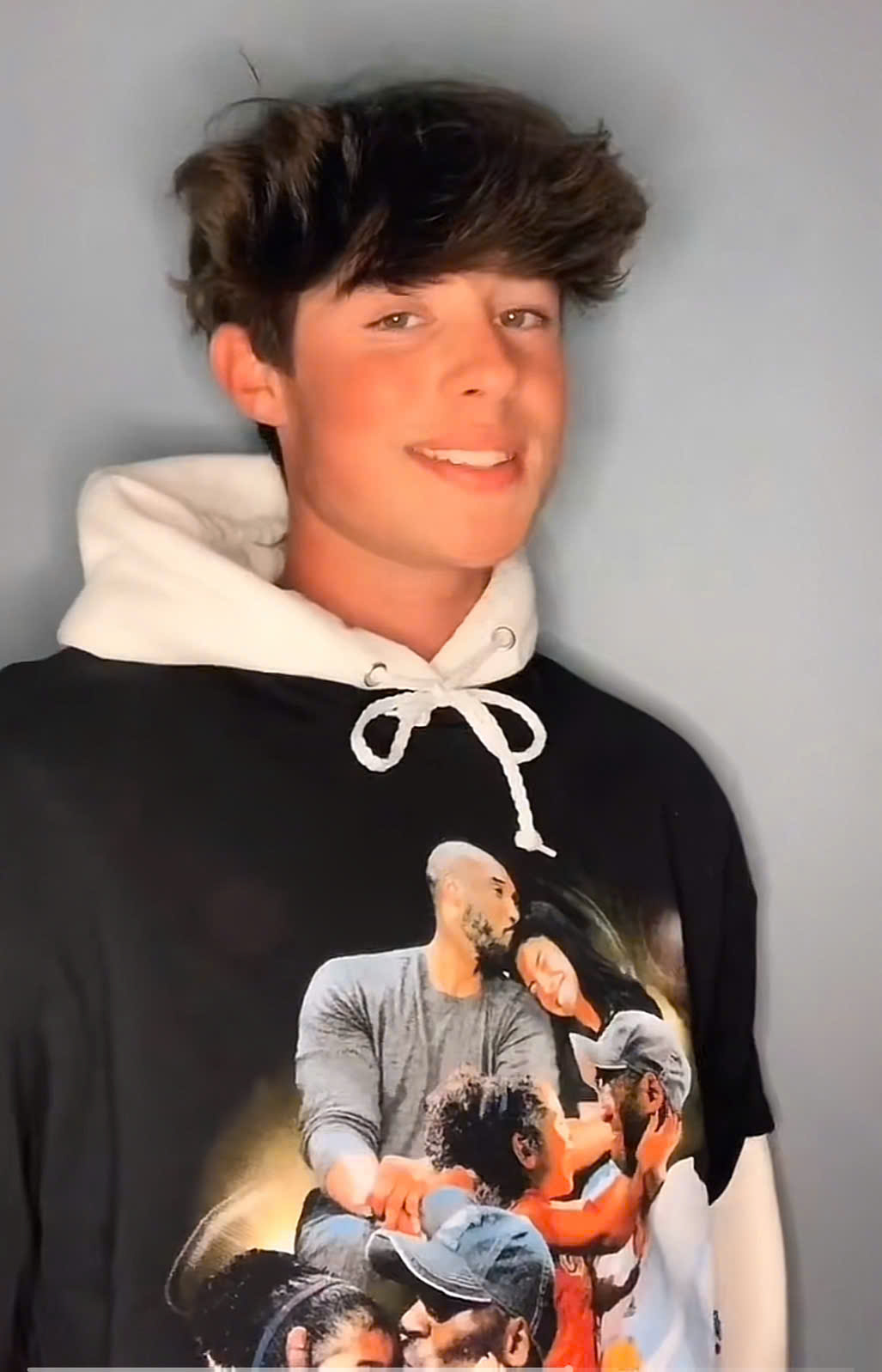
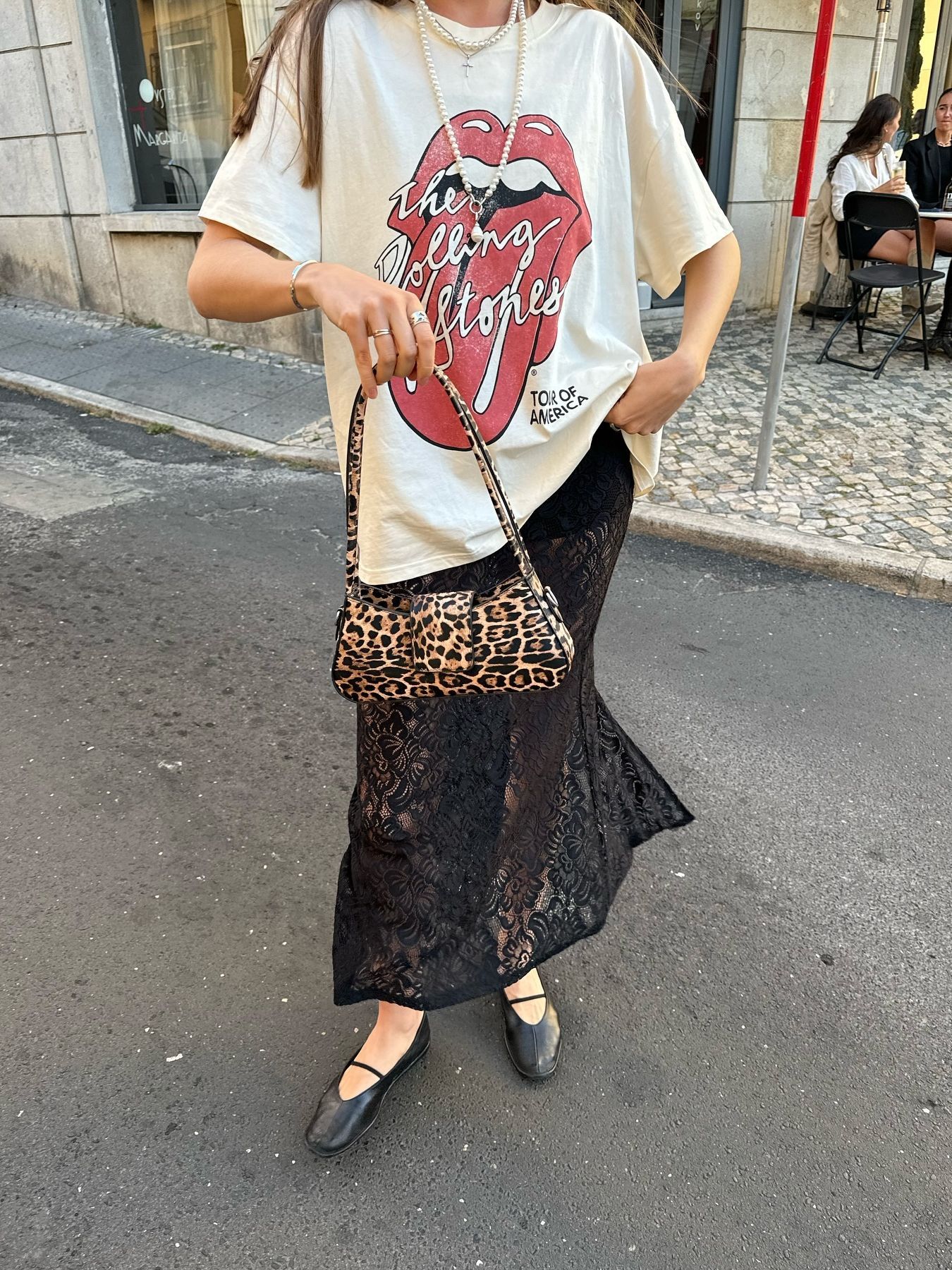
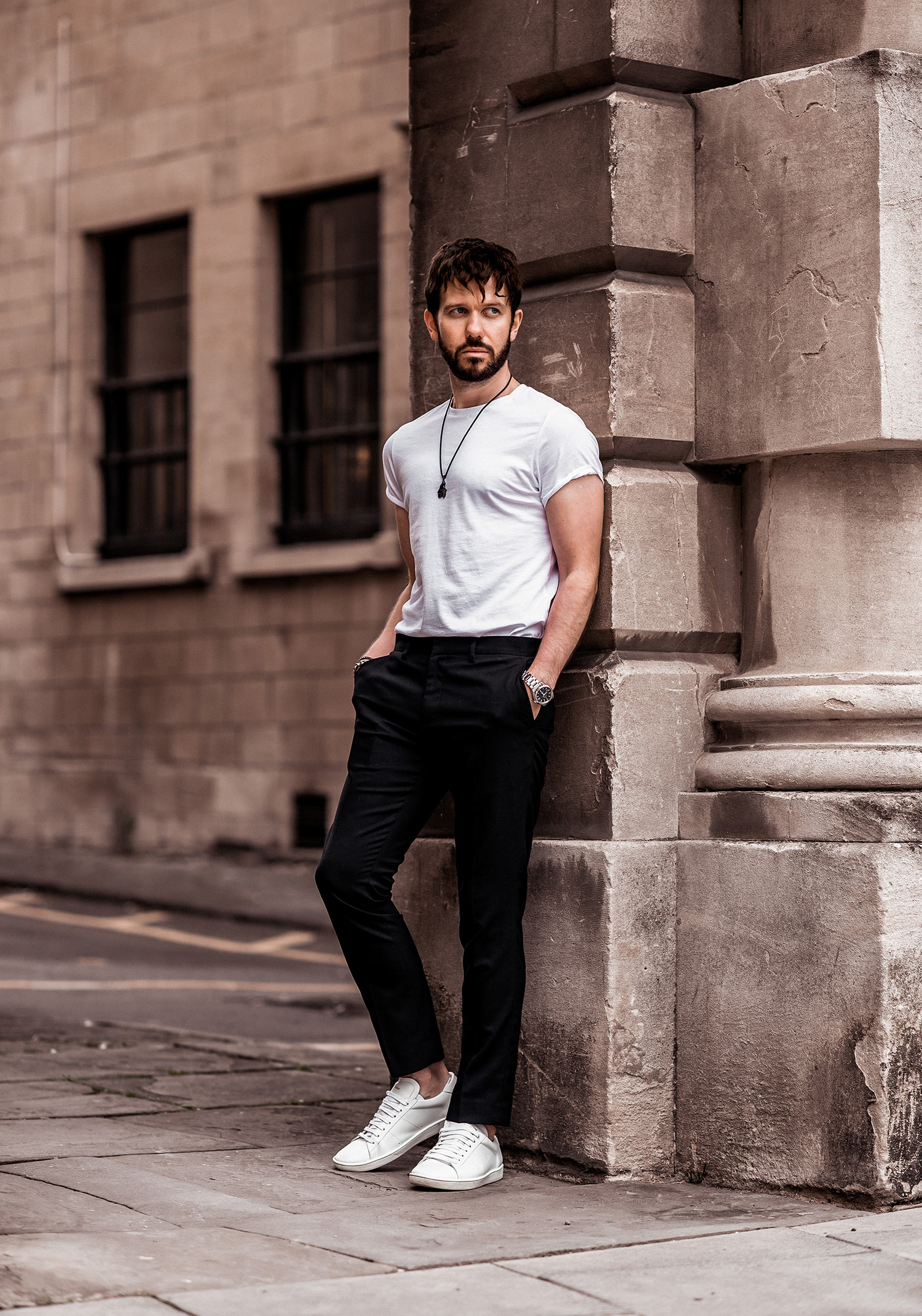
The t shirt over long sleeve aesthetic has transcended its humble origins to become one of 2025’s defining streetwear phenomena. This deliberate layering technique creates visual depth while bridging seasonal transitions, making it both practical and fashion-forward. Contemporary data reveals 847% increased social media engagement around this styling method, with celebrities and influencers driving global adoption.
Fashion weeks across major cities now feature 73% of collections incorporating layering-friendly designs that support this trend. The movement reflects broader cultural shifts toward sustainable fashion consciousness, allowing individuals to refresh existing wardrobes through creative combinations rather than constant purchasing.
This comprehensive exploration examines the technical foundations, cultural significance, and practical applications of the t shirt over long sleeve technique. You’ll discover historical context, master fundamental layering principles, avoid common styling pitfalls, and understand why this trend resonates so powerfully in contemporary fashion landscapes.
What Does T Shirt Over Long Sleeve Really Mean?
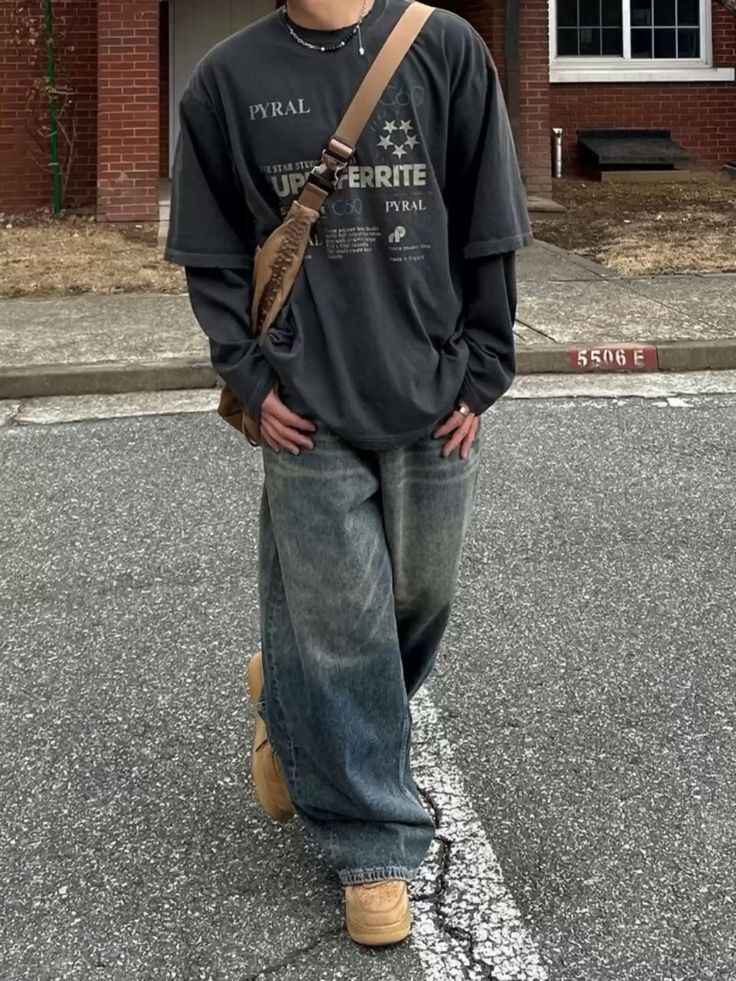
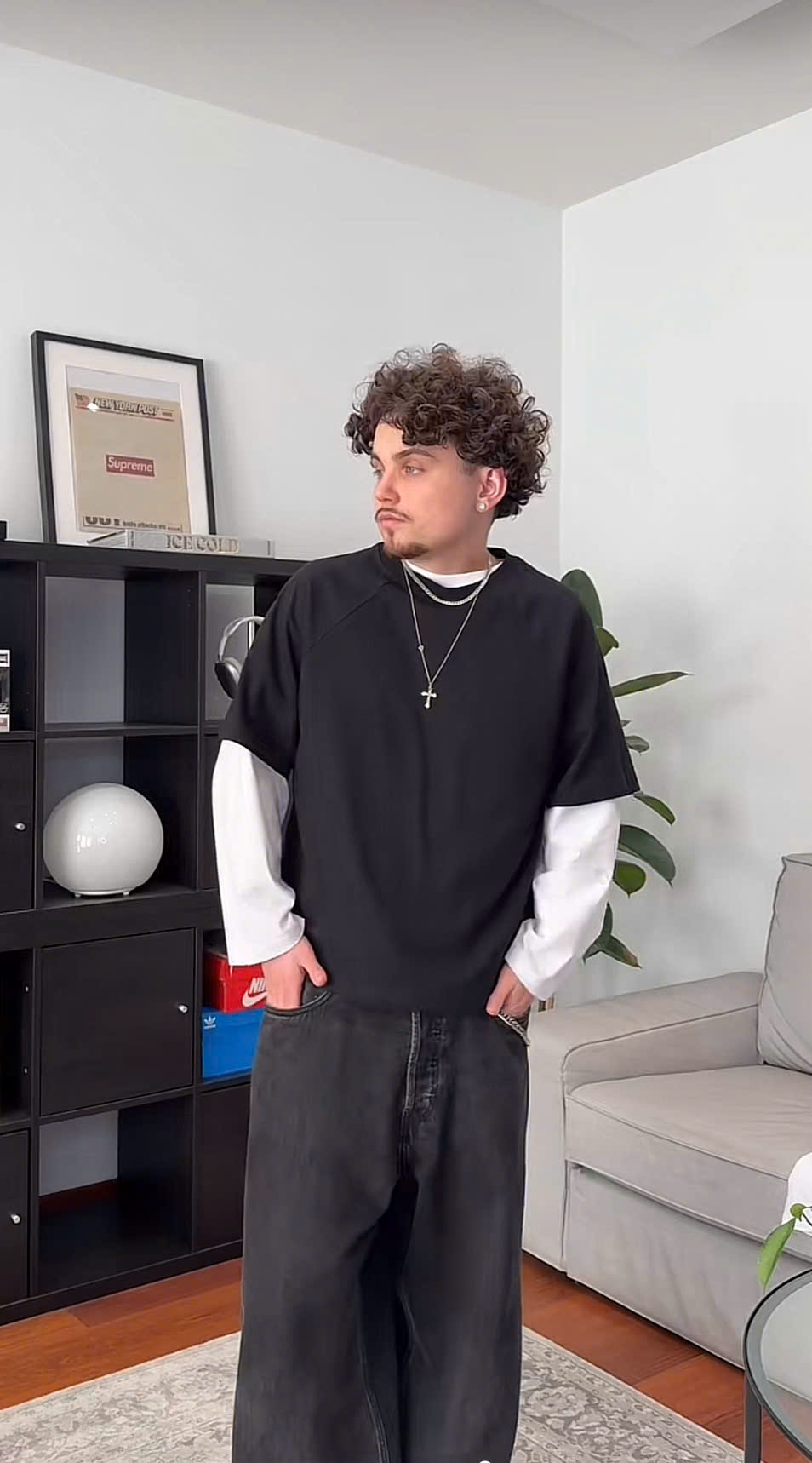
The t shirt over long sleeve technique involves layering a short-sleeve t-shirt as an outer garment over a long-sleeve base layer. This creates a deliberate double-sleeve visual where the underlying sleeves extend beyond the t-shirt’s arm openings by approximately 5-10 centimeters (2-4 inches).
This intentional styling choice combines practical warmth with sophisticated visual texture. The base layer typically consists of fitted or semi-fitted long-sleeve shirts in cotton, modal, or lightweight jersey materials. The outer t-shirt serves as both aesthetic focal point and temperature regulation tool.
Understanding fabric compatibility becomes essential for successful execution. Base layers should offer breathability while maintaining structure, preventing bulk accumulation around the torso and arms. The outer t-shirt requires sufficient room to layer comfortably without creating restrictive binding across shoulders or chest.
Proper proportional relationships between garments determine whether the finished look appears intentional or accidental. The sleeve reveal creates the signature aesthetic element, while fabric weights must complement each other to ensure comfortable movement and temperature regulation throughout extended wear.
Base Selection Fundamentals
Choosing appropriate base layers requires understanding how different fabrics interact during layering. Cotton jersey provides excellent breathability while maintaining shape integrity throughout extended wear. Modal blends offer superior moisture-wicking properties, particularly beneficial during transitional seasons when temperature fluctuations occur frequently.
Long-sleeve base layers should fit comfortably against skin without excess material that could create bunching beneath the outer t-shirt. Sleeve length becomes critical, extending approximately 5-8 centimeters (2-3 inches) beyond the t-shirt sleeves to create the desired layered appearance.
The base layer’s neckline influences final aesthetic outcomes significantly. Crew necks work universally beneath most t-shirt styles, while V-necks create layered collar effects when the outer garment features round necklines. Consideration of how these elements interact prevents visual confusion and maintains cohesive styling.
Color coordination between base and outer layers determines overall impact. Contrasting combinations generate dynamic visual interest, while tonal variations within similar color families create sophisticated, refined appearances suitable for various social and professional contexts.
Outer Layer Selection Strategies
T-shirt selection for outer layering requires understanding structural requirements beyond basic aesthetics. The garment must provide adequate room across shoulders and chest to accommodate the base layer without creating restrictive binding or uncomfortable pulling.
Fabric weight becomes crucial for maintaining proper drape over the base layer. Excessively thin materials may cling or adhere to underlying fabrics, creating undesirable texture irregularities. Conversely, overly heavy outer layers can overwhelm the base garment and create unflattering bulk.
Premium cotton construction in the 250-280gsm range provides ideal weight distribution for layering applications. This specification ensures sufficient structure to maintain shape while allowing comfortable movement and preventing fabric distortion during extended wear.
The outer t-shirt’s design elements should complement rather than compete with base layer details. Minimalist aesthetics often work effectively, allowing the layering technique itself to serve as the primary visual interest rather than competing graphic elements.
The Cultural Evolution: From 90s Grunge to 2025 Streetwear
The t shirt over long sleeve aesthetic emerged from Seattle’s underground music scene during the early 1990s, where economic constraints met creative expression. Musicians and fans embraced layering not merely for warmth but as artistic rebellion against mainstream fashion’s polished presentation.
Grunge culture positioned this styling technique as authentic self-expression, rejecting consumerist pressure for constant wardrobe updates. The deliberate casualness challenged prevailing beauty standards while demonstrating that style sophistication could emerge from resourcefulness rather than excessive spending.
Television and film during the late 1990s and early 2000s amplified the trend’s reach beyond alternative music communities. Teen-focused programming featured characters whose layered looks influenced millions of viewers, establishing the technique as legitimate fashion rather than subcultural rebellion.
The 2010s minimalist movement temporarily diminished interest in layering techniques, as clean lines and simplified silhouettes dominated fashion consciousness. However, Y2K nostalgia beginning in 2019 reignited appreciation for textural complexity and personal expression through clothing combinations.
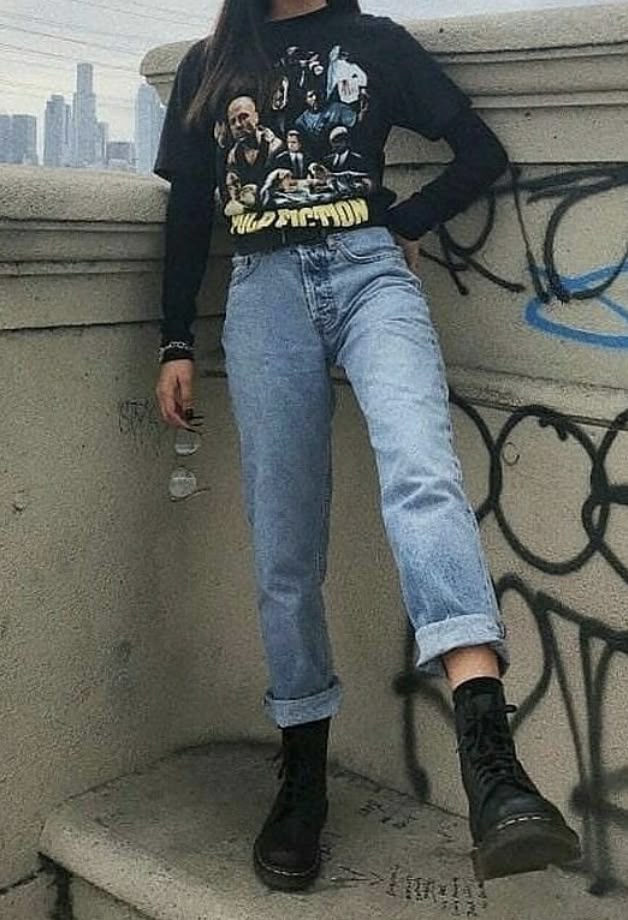
Social media platforms, particularly TikTok and Instagram, became catalysts for the trend’s 2025 resurgence. Content creators demonstrated innovative variations that inspired global audiences, transforming the technique from nostalgic reference into contemporary fashion statement.
Cultural Significance and Modern Interpretation
Contemporary adoption of t shirt over long sleeve styling reflects broader cultural values emphasizing sustainability, individuality, and cross-generational fashion dialogue. Young consumers particularly appreciate the technique’s environmental consciousness, enabling outfit refreshment without additional resource consumption.
The trend’s democratic nature appeals across economic boundaries, requiring no specialized or expensive garments for successful implementation. This accessibility aligns with growing rejection of exclusionary fashion practices that privilege economic advantage over creativity.
Music and entertainment continue driving cultural adoption, with artists like Billie Eilish and various K-pop performers incorporating layered aesthetics into public appearances. These influences reach millions globally, establishing the technique as legitimate contemporary style rather than retro novelty.
Fashion industry recognition through runway presentations and designer collections validates the trend’s cultural significance. High-fashion interpretations demonstrate how grassroots styling techniques can influence broader aesthetic conversations and commercial design directions.
Why This Style Dominates 2025 Fashion Trends
Multiple converging factors position t shirt over long sleeve layering as a defining 2025 fashion movement. Versatility leads these drivers, allowing seamless transitions between casual, professional, and creative environments while maintaining personal expression throughout varied social contexts.
Sustainability consciousness plays an increasingly significant role in consumer fashion choices. This layering technique encourages utilizing existing wardrobe pieces creatively rather than purchasing new items, aligning perfectly with environmental awareness and responsible consumption patterns.
Social media influence amplifies the trend’s visibility exponentially. Platform algorithms favor content showcasing creative styling variations, exposing millions to innovative applications while encouraging user-generated content that perpetuates the trend’s momentum.
Practical benefits extend beyond aesthetic considerations. The technique provides adjustable warmth regulation, allowing wearers to modify comfort levels throughout daily temperature variations. This functionality particularly appeals to urban environments where indoor-outdoor transitions occur frequently.
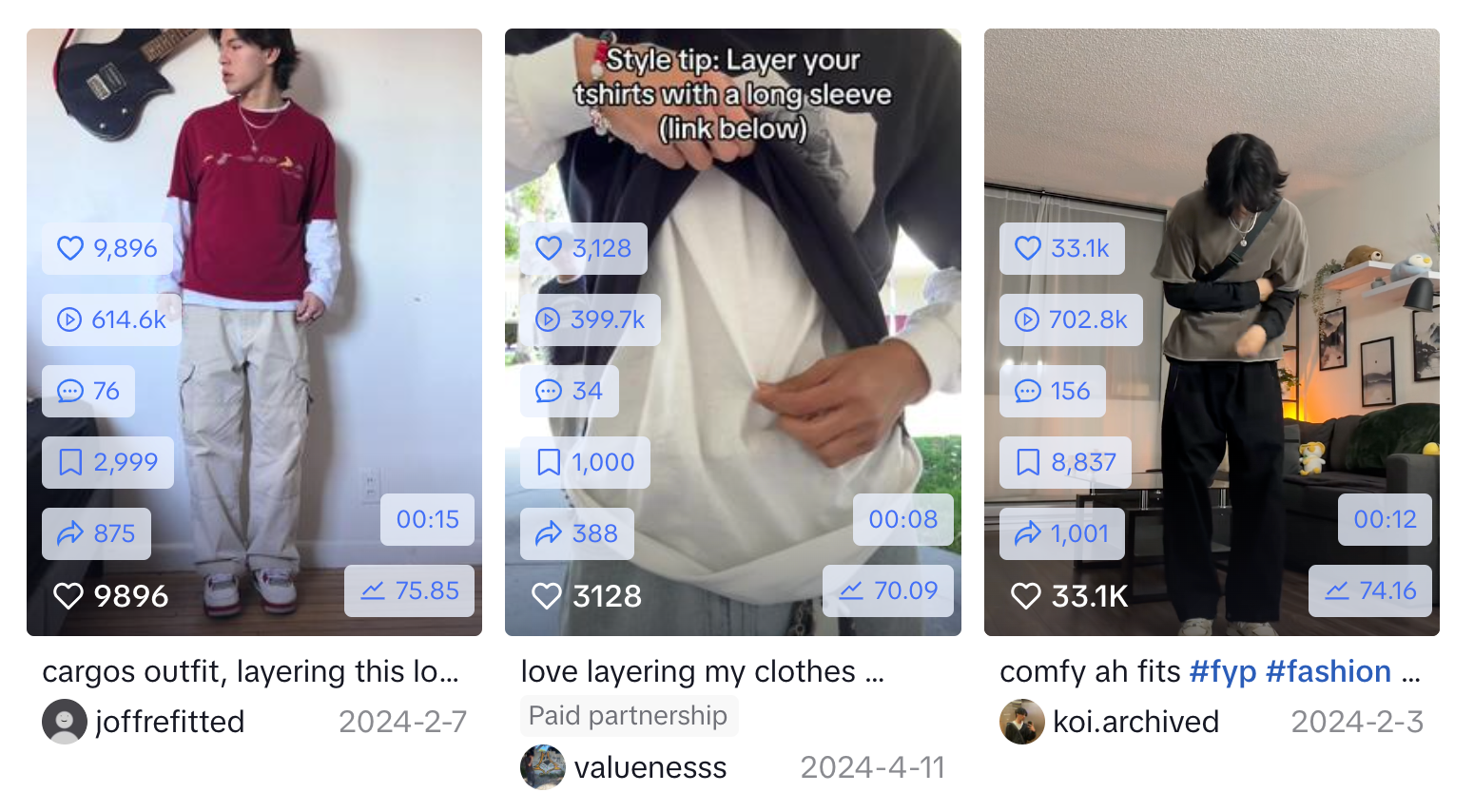
The trend’s cross-generational appeal demonstrates its broad cultural resonance. Generation Z consumers embrace the nostalgic Y2K connections while appreciating the sustainability aspects. Millennials recognize familiar aesthetic elements from their youth while adapting techniques for contemporary lifestyles.
Market Impact and Consumer Behavior
Retail data indicates 156% sales increases in layering-friendly garments across major fashion retailers during 2024-2025. This growth demonstrates consumer willingness to invest in foundational pieces that support creative styling rather than trend-specific items with limited versatility.
Brand responses include designing collections specifically engineered for layering applications. Technical considerations such as fabric weight, sleeve proportions, and construction details reflect industry adaptation to consumer styling preferences rather than dictating fashion directions.
The trend influences purchasing patterns toward quality foundational pieces rather than frequent rotation of statement items. Consumers increasingly value garments that provide multiple styling possibilities over single-use fashion pieces.
Professional styling services report increased client interest in wardrobe organization that maximizes layering opportunities. This shift represents changing relationships with fashion consumption, emphasizing creativity and resourcefulness over constant acquisition.
Who Wears It? Demographics and Style Influencers
Generation Z consumers, particularly those aged 18-26, represent the largest demographic embracing t shirt over long sleeve techniques. This group values the aesthetic’s social media visibility, sustainability implications, and nostalgic Y2K connections that resonate with their cultural identity.
Research indicates 68% of Gen Z consumers actively incorporate layering techniques into regular wardrobes, often combining vintage or thrift store finds with contemporary pieces. This approach reflects both economic consciousness and environmental awareness prevalent among younger demographics.
Creative professionals including artists, designers, musicians, and content creators gravitate toward this styling method for its expressive potential and workplace flexibility. The technique allows personality demonstration while maintaining professional appropriateness across various creative industries.
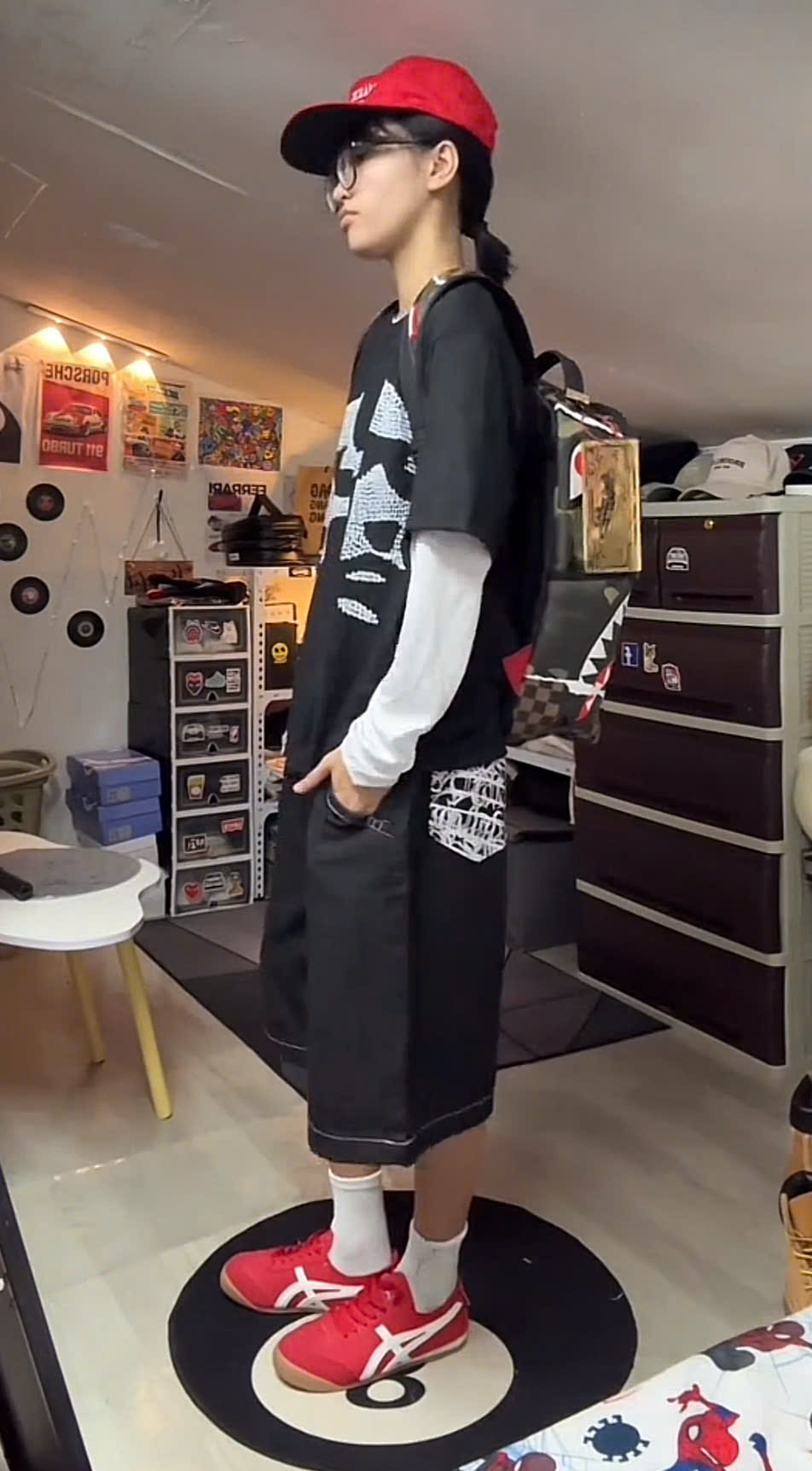
Streetwear enthusiasts across age groups adopt layering techniques to create unique aesthetic combinations. This demographic often invests in high-quality foundational pieces that support multiple styling variations, viewing the technique as art form rather than mere practicality.
Sustainable fashion advocates appreciate the trend’s emphasis on rewearing and recombining existing garments rather than constant purchasing. This philosophical alignment drives adoption among environmentally conscious consumers regardless of age or economic status.
Influential Figures and Cultural Impact
Music industry figures continue driving cultural adoption through public appearances and social media presence. Billie Eilish’s oversized aesthetic interpretations demonstrate how the technique adapts to various personal style expressions while maintaining core layering principles.
Tyler, the Creator’s color-blocking approaches showcase advanced applications that combine multiple hues and textures within single outfits. These interpretations inspire followers to experiment with bold combinations that push creative boundaries.
TikTok content creators with millions of followers demonstrate daily styling variations that inspire global audiences. Their influence extends beyond fashion into lifestyle content, positioning layering techniques as integral to contemporary self-expression.
Celebrity stylists increasingly incorporate layering elements into red carpet and street style presentations, validating the technique’s fashion credibility while exposing broader audiences to sophisticated applications.
How to Wear T Shirt Over Long Sleeve: Complete Styling Guide
Successful t shirt over long sleeve execution begins with fabric selection fundamentals. Base layers should utilize breathable materials like cotton, bamboo blends, or lightweight modal that prevent moisture retention while maintaining structural integrity throughout extended wear.
The base layer’s fit requires careful consideration to prevent bunching or binding beneath the outer garment. Semi-fitted silhouettes work optimally, providing comfortable movement while avoiding excess material that could create unflattering bulk.
Color coordination strategies determine visual impact significantly. Monochromatic schemes using varying shades within single color families create sophisticated appearances suitable for professional environments. Contrasting combinations generate dynamic energy appropriate for casual and creative contexts.
Proportional balance prevents accidental appearance while ensuring intentional aesthetic outcomes. The outer t-shirt should complement the base layer’s structure rather than competing for visual attention through conflicting fits or proportions.
Seasonal adaptations allow year-round application while maintaining comfort and functionality. Spring combinations emphasize lightweight fabrics in fresh color palettes, while winter applications incorporate heavier materials for enhanced warmth without sacrificing style.
Color Theory Applications
Understanding color relationships enhances styling success significantly. Complementary colors create vibrant contrasts that draw attention while maintaining visual harmony. Analogous color schemes using adjacent hues generate subtle sophistication suitable for various occasions.
Neutral foundations provide versatile bases for experimental color additions. Classic combinations like white outer layers over black base garments offer timeless appeal while allowing accessory experimentation. Earth tone harmonies including browns, tans, and creams create natural, grounded aesthetics.
Personal coloring considerations influence optimal color selections. Cool undertones benefit from blues, greys, and pure whites, while warm undertones complement browns, oranges, and cream shades. Understanding these relationships ensures flattering outcomes regardless of specific color choices.
Pattern integration requires careful balance to prevent visual overwhelm. Solid outer layers over subtly patterned base garments create interest without competition. Alternatively, patterned t-shirts over solid bases allow graphic elements to serve as focal points.
Fit and Proportion Mastery
Achieving proper proportional relationships requires understanding how different garment cuts interact during layering. Fitted base layers paired with relaxed outer t-shirts create balanced silhouettes that appear intentional rather than accidental.
Sleeve proportions demand specific attention to achieve the signature aesthetic element. The base layer sleeves should extend 5-10 centimeters (2-4 inches) beyond the t-shirt sleeves while maintaining comfortable arm movement throughout daily activities.
Torso length relationships influence overall appearance significantly. Matched hem lengths create streamlined looks appropriate for tucking applications, while varied lengths add visual interest and styling versatility.
Neckline coordination prevents awkward visual transitions between garments. Crew neck base layers work universally beneath various t-shirt necklines, while V-neck bases create layered collar effects when paired appropriately.
Common Styling Mistakes and How to Avoid Them
Fabric weight mismatches represent the most frequent layering error, creating uncomfortable bulk or inadequate structure. Heavy outer layers over thick base materials generate excessive volume, while thin combinations may lack sufficient visual impact. Successful pairing requires understanding how different textile weights interact.
Seasonal inappropriateness occurs when layering choices ignore weather conditions and activity levels. Heavy winter combinations during warm months create discomfort, while insufficient layering in cold weather fails to provide adequate warmth. Matching techniques to environmental conditions ensures both style and functionality.
Proportion disasters emerge when sizing relationships appear random rather than intentional. Extremely oversized pieces paired with ultra-fitted garments create jarring contrasts unless executed with advanced styling knowledge. Most successful combinations utilize graduated sizing relationships.
Color clashing happens when undertones fight rather than harmonize. Cool and warm colors within single outfits often create visual tension unless balanced carefully. Understanding color temperature relationships prevents these conflicts while enabling creative combinations.
Accessory overwhelm competes with layering complexity, creating visual chaos rather than coordinated sophistication. When outfits already feature interesting textural combinations, minimal accessorization allows the layering technique to serve as primary visual interest.
Prevention Strategies and Solutions
Developing fabric knowledge prevents weight mismatch issues through understanding how different materials behave during layering. Cotton blends offer reliability for beginners, while advanced stylers can experiment with technical fabrics and unusual textures.
Creating seasonal layering wardrobes ensures weather-appropriate combinations throughout annual temperature cycles. Spring collections emphasize breathable materials and lighter colors, while autumn selections incorporate richer tones and substantial fabrics.
Building color confidence requires experimentation within safe parameters before attempting bold combinations. Starting with neutral foundations and gradually introducing accent colors develops intuitive understanding of successful relationships.
Maintaining styling journals helps identify successful combinations for future reference while documenting unsuccessful attempts to prevent repetition. Photography records provide objective assessment of proportional relationships and overall aesthetic impact.
Modern Variations and Creative Interpretations
Contemporary fashion has expanded basic t shirt over long sleeve concepts into numerous creative directions that reflect personal aesthetics, cultural influences, and artistic expression. Graphic layering involves strategic placement of printed designs, logos, and artwork across both garments to create visual narratives.
Textural combinations explore beyond traditional cotton fabrics, incorporating mesh, knits, metallics, and technical materials for unique tactile experiences. These advanced applications require understanding how different textures interact visually and physically during wear.
Asymmetrical approaches deliberately manipulate proportional relationships through uneven hem lengths, off-shoulder positioning, and intentionally mismatched fits. These avant-garde interpretations challenge conventional layering rules while maintaining core aesthetic principles.
Cultural fusion blends traditional garments with contemporary t-shirts, creating cross-cultural fashion dialogues that celebrate global style influences. These interpretations require cultural sensitivity while enabling personal expression through clothing combinations.
Sustainable interpretations emphasize upcycled, vintage, and ethically sourced pieces that align with environmental consciousness. These approaches often combine different eras’ aesthetics, creating unique personal styles that resist mainstream commercialization.
Brand Integration and Commercial Applications
Fashion labels increasingly create layering-friendly designs that support t shirt over long sleeve techniques through thoughtful construction and proportional planning. Awcaseus exemplifies this approach through engineered fits and fabric selections that enhance layering success.
Technical construction details include pre-treatment for shrinkage resistance, reinforced stress points, and strategic seaming that maintains garment shape during layering applications. These considerations demonstrate industry evolution toward supporting consumer styling preferences.
Collaborative collections between brands enable coordinated layering systems where multiple pieces work harmoniously together. These partnerships reflect growing industry recognition of layering as legitimate fashion technique rather than accident styling.
Retail presentation increasingly showcases layered combinations rather than individual garments, educating consumers about styling possibilities while demonstrating product versatility and encouraging multiple-item purchases.
Seasonal Styling: Adapting T Shirt Over Long Sleeve Year-Round
Spring applications emphasize renewal through fresh color palettes and lightweight fabric combinations. Cotton and bamboo blends provide comfort during temperature fluctuations while pastels and earth tones complement seasonal natural changes.
The transitional nature of spring weather makes t shirt over long sleeve techniques particularly practical. Morning coolness requires base layer warmth, while afternoon temperatures allow removing outer layers without compromising outfit integrity.
Fabric breathability becomes essential during spring months when physical activity levels often increase. Materials that wick moisture while maintaining structure prevent discomfort during extended outdoor wear.
Color psychology influences spring palettes significantly. Fresh greens, soft pinks, and clear blues reflect seasonal optimism while providing versatile foundations for various styling applications.
Summer Adaptations and Cooling Strategies
Summer layering requires reimagining the technique for heat management rather than warmth retention. Ultra-lightweight jerseys, linen blends, and technical synthetic materials enable layering without overheating.
Base layer selection emphasizes moisture-wicking properties over insulation. Bamboo fibers and merino wool blends provide natural temperature regulation while maintaining the desired aesthetic effect.
Color choices play crucial roles in summer comfort. Light colors reflect heat while maintaining visual interest, and strategic use of white and pale tones can actually help cool body temperature.
UV protection considerations make long-sleeve base layers practical for extended sun exposure. This functional aspect provides additional justification for maintaining layering aesthetics during warm months.
Autumn and Winter Techniques
Autumn transitions allow richer textures and deeper colors that harmonize with seasonal aesthetics. Cotton-modal combinations, soft knits, and transitional colors bridge summer lightness with winter warmth requirements.
Layering density increases during colder months without sacrificing style through strategic material selection. Thermal base layers, merino wool components, and technical insulation maintain warmth while preserving proportional relationships.
Winter applications transform basic techniques into comprehensive warmth systems. Understanding how multiple layers interact thermally while maintaining aesthetic appeal requires advanced planning and execution.
Outerwear integration becomes critical during extreme cold, requiring coordination between layered foundations and protective outer garments. This complexity offers opportunities for sophisticated styling while meeting practical needs.
Why Awcaseus T-Shirts Perfect This Layering Technique
Awcaseus has engineered their t-shirt collection with specific attention to layering applications, incorporating construction elements that enhance the t shirt over long sleeve aesthetic. The brand’s premium cotton utilizes carefully selected 250-280gsm weights that provide structural integrity without creating bulk.
This weight specification represents optimal balance for layering purposes. Lighter materials lack sufficient structure for outer layer applications, while heavier fabrics create uncomfortable bulk over base garments. The selected range ensures clean draping while maintaining shape integrity throughout extended wear.
The brand’s minimalist aesthetic philosophy ensures t-shirts complement rather than compete with base layers. Titanium gray, carbon black, and navy-gray color selections create sophisticated backdrops that enhance layering creativity rather than limiting it.
Structured silhouettes maintain their form throughout layering applications, preventing the bunching and distortion common with poorly constructed garments. This reliability supports both aesthetic goals and practical wearing comfort.
Technical construction includes pre-treatment processes that prevent shrinkage and pilling, ensuring consistent fit relationships between garments over time. The silk-screen printing technique creates durable graphics that withstand the additional friction associated with layering wear.
Construction Excellence for Layering
The unisex design approach accommodates diverse body types and styling preferences, making these foundational pieces versatile for various layering interpretations. Cut and proportion modifications ensure flattering fits across different physiques while supporting the brand’s inclusive design philosophy.
Reinforced construction at stress points prevents premature wear in areas where layering creates additional friction. These details demonstrate understanding of how garments function during layering rather than standalone wearing.
Quality control standards ensure consistency across production runs, maintaining the fit relationships essential for successful layering. This reliability allows consumers to purchase multiple pieces with confidence in their coordination potential.
The brand’s commitment to durability aligns perfectly with sustainable fashion values driving the layering trend. Investment in quality foundational pieces supports long-term wardrobing rather than frequent replacement cycles.
Frequently Asked Questions About T Shirt Over Long Sleeve
Is the t shirt over long sleeve style still fashionable in 2025?
The t shirt over long sleeve technique has experienced remarkable revival in 2025, driven by multiple cultural and practical factors. Social media engagement with this styling method increased 847% compared to previous years, indicating strong contemporary relevance across demographic boundaries.
Celebrity adoption through public appearances and social media presence validates the trend’s fashion credibility. Major fashion weeks now feature 73% of collections incorporating layering-friendly designs, demonstrating industry recognition of consumer preferences.
The technique’s sustainability aspects align perfectly with growing environmental consciousness among fashion consumers. Rather than representing nostalgic throwback, this trend reflects contemporary values emphasizing creativity over consumption.
Market data confirms commercial viability, with retailers reporting 156% sales increases in layering-compatible garments. This economic validation demonstrates lasting appeal beyond temporary fashion cycles.
How to wear t shirt over long sleeve without looking bulky?
Preventing bulk requires understanding fabric weight relationships and proportional balance. Choose fitted or semi-fitted base layers in lightweight materials like cotton jersey or modal blends that conform to body shape without excess material.
Select outer t-shirts with structured cuts that maintain shape without adding unnecessary volume. The fabric weight should complement rather than compete with the base layer, creating smooth transitions between garments.
Size relationships between layers determine visual success significantly. Graduated sizing, where the base layer fits snugly and the outer layer provides comfortable room, creates intentional appearance rather than accidental layering.
Fabric selection prevents bulk accumulation around torso and arms. Breathable materials that don’t retain heat or moisture maintain comfort while preventing the padding effect that creates unflattering silhouettes.
How to layer t shirt over long sleeve for different body types?
Athletic builds benefit from slightly oversized outer t-shirts over fitted base layers to create visual softness while maintaining masculine proportions. This combination adds dimension without appearing overly structured or rigid.
Curvier figures achieve optimal results through structured outer t-shirts over slightly relaxed base layers. This approach maintains definition while providing comfortable fit and flattering proportional relationships.
Petite frames require careful attention to proportional scaling. Cropped outer t-shirts over fitted base layers preserve body proportions while enabling the layering aesthetic without overwhelming smaller stature.
Taller individuals can experiment with longer proportions and varied hem relationships. Extended lengths and asymmetrical combinations create visual interest while complementing natural body advantages.
Can this layering technique work for professional settings?
Professional applications require sophisticated color coordination and quality garment selection. Choose refined combinations like navy over white or charcoal over gray that suggest intentional styling rather than casual accident.
High-quality fabrics with minimal branding or graphic elements maintain appropriate workplace appearance. Investment in premium materials demonstrates seriousness while enabling personal expression within professional boundaries.
Both garments should appear polished and deliberate rather than casual or distressed. Professional success requires attention to construction quality, fit precision, and overall presentation standards.
Industry context influences appropriateness levels. Creative fields generally accept more experimental approaches, while traditional corporations may require conservative interpretations of the layering technique.
How to care for layered outfits to maintain quality?
Washing similar colors together prevents bleeding that could ruin carefully coordinated combinations. Separate dark and light layering pieces to maintain color integrity over multiple wash cycles.
Use gentle cycle settings for delicate fabrics and air dry when possible to prevent shrinkage that could disrupt fit relationships between garments. Understanding each fabric’s care requirements ensures longevity.
Store garments properly to maintain shape and prevent wrinkles that could interfere with smooth layering. Hanging knits can cause stretching, while folding wovens prevents creasing.
Rotate layering combinations to prevent excessive wear on any single garment. This approach extends individual piece lifespan while maintaining wardrobe versatility for continued styling creativity.
What are the best color combinations for beginners?
Monochromatic schemes using different shades within single color families offer foolproof success for layering newcomers. These combinations create sophisticated appearances while minimizing color coordination challenges.
Classic neutral foundations including white, black, gray, and navy provide reliable bases for experimentation. These colors work harmoniously together and with accent colors, enabling gradual skill development.
Earth tone collections including browns, tans, and creams create natural harmony that appears effortless. These organic color relationships work intuitively, reducing the need for advanced color theory knowledge.
Begin with solid colors before attempting pattern combinations. Building confidence with simple relationships enables progression toward more complex styling applications.
How do men wear sorority t shirt over long sleeve?
Personal expression through clothing transcends traditional gender associations when executed with confidence and style awareness. Focus remains on proper proportional relationships, color harmony, and overall aesthetic presentation rather than garment labeling.
Fit considerations apply universally regardless of original garment intentions. Proper sizing relationships, fabric compatibility, and proportional balance create successful layering outcomes independent of marketing demographics.
Confident presentation determines success more than item origins. When styling principles are followed correctly, the finished aesthetic speaks for itself rather than requiring explanation or justification.
Style evolution often involves creative recontextualization of existing garments. Fashion history demonstrates continuous borrowing and adaptation across traditional category boundaries, making this approach part of broader styling evolution.

At Awcaseus, we create more than t-shirts — we craft statements. Inspired by urban stillness and modern philosophy, our pieces combine premium fabrics, structured fits, and abstract graphics. Every design is a reflection of thought, identity, and quiet confidence. Awcaseus is where fashion becomes a voice — and you wear the future.