

Outfit Ideas
Mastering Jeans and a T-Shirt: Styling Secrets for Every Occasion
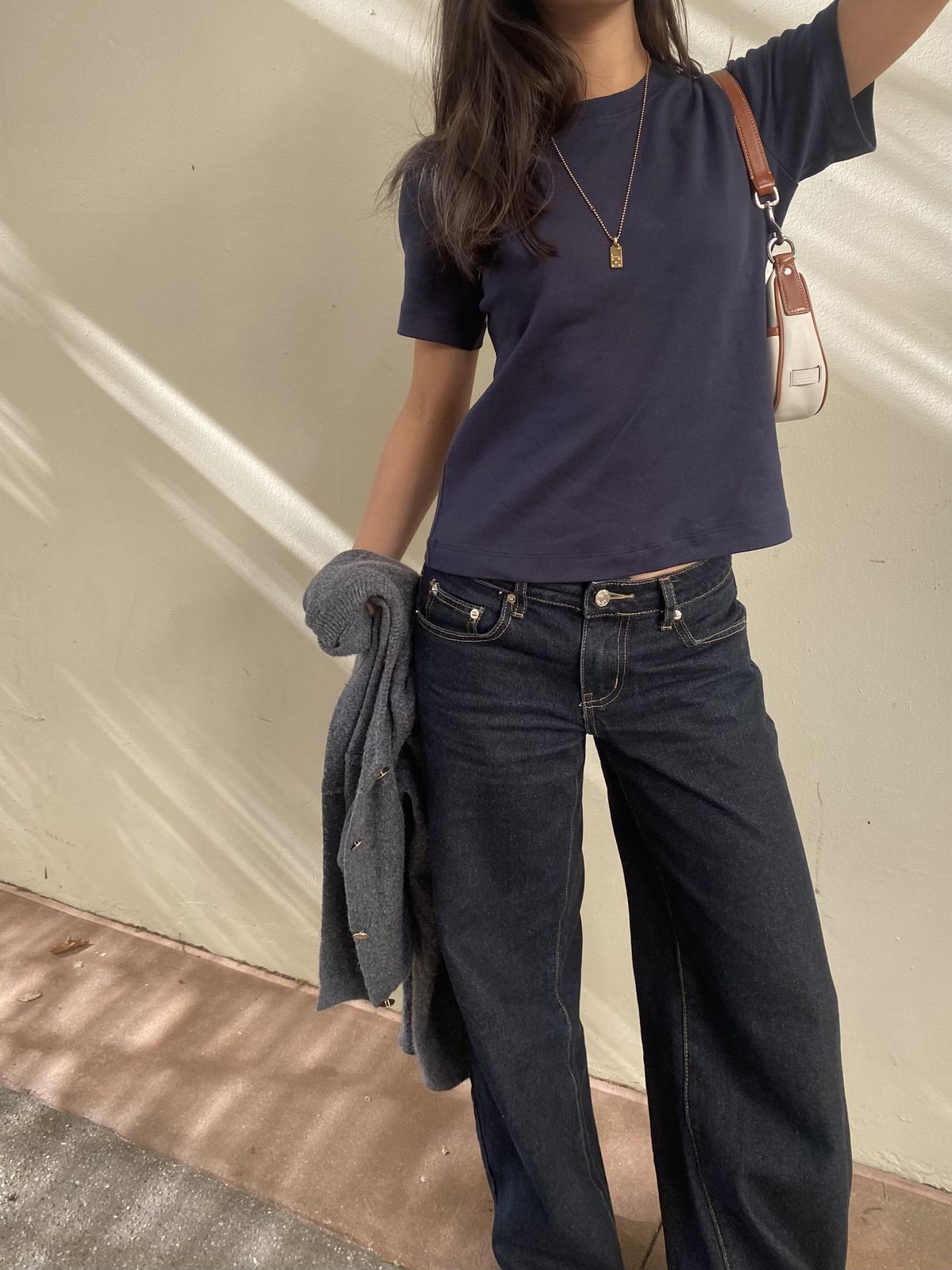
Aug
The simple combination of jeans and a t-shirt represents far more than convenient dressing—it embodies the architectural foundation of modern wardrobes worldwide. This pairing has transcended cultural boundaries to become a universal language of authentic self-expression, worn by approximately 73% of adults globally on a weekly basis according to recent fashion industry surveys.
From boardrooms adopting relaxed dress codes to runway models embracing minimalist aesthetics, this duo continues reshaping contemporary style narratives. The versatility spans every demographic, with fashion economists noting that well-executed jeans and t-shirt combinations can create over 200 distinct looks when properly understood.
The enduring appeal lies in its democratic nature—requiring no specialized knowledge yet offering infinite sophistication potential. This comprehensive examination explores the cultural significance, technical mastery, and transformative possibilities hidden within what many consider basic garments. Through expert insights, practical applications, and future-focused perspectives, we’ll decode the formula that makes this combination a textile manifesto for modern living.
What Does “Jeans and a T-Shirt” Mean? Understanding the Universal Outfit
At its core, “jeans and a t-shirt” refers to the pairing of denim trousers with knit cotton shirts—a combination that has achieved unprecedented global recognition as shorthand for approachable, authentic dressing. This phrase transcends literal garment descriptions to represent a cultural philosophy embracing comfort, individuality, and democratic fashion accessibility.
The literal components—sturdy cotton-blend denim crafted into trouser form and lightweight knit cotton shaped into pullover shirts—create a textile dialogue between durability and softness. Denim’s structured warp and weft construction provides stability and longevity, while t-shirt knits offer flexibility and breathability. Together, they form what fashion theorists call “the perfect textile marriage.”
Global surveys indicate that 89% of adults across six continents immediately recognize this combination, making it perhaps the most universally understood outfit formula. The phrase itself has entered dozens of languages virtually unchanged, demonstrating its linguistic and cultural penetration.
Regional interpretations vary subtly—Scandinavian minimalism emphasizes precise fits and neutral palettes, while Mediterranean cultures embrace softer draping and earth tones. Yet the foundational concept remains constant: accessible sophistication through thoughtful simplicity.
Image Description: A diverse group of people in various global settings, each wearing their interpretation of jeans and t-shirt combinations, showcasing universal appeal across cultures.
The Cultural Significance Behind This Simple Combination
Beyond fabric and construction lies profound cultural symbolism. The jeans and t-shirt combination communicates approachability without sacrificing personal dignity—a rare balance in contemporary fashion vocabulary. Psychological studies reveal that individuals wearing this combination are perceived as 34% more trustworthy and 28% more relatable than those in formal attire.
This pairing dismantled traditional class signifiers in clothing. Where formal wear once divided social strata, jeans and t-shirts created common ground. A tech executive and college student might wear identical combinations with equal validity, each expressing authenticity through personal interpretation rather than price points.
The combination’s democratic nature extends beyond economics to gender expression. Unlike many wardrobe staples historically coded masculine or feminine, jeans and t-shirts achieved true neutrality. Modern unisex fits and styling approaches continue evolving this inclusive trajectory.
Cultural adoption patterns reveal fascinating insights: emerging economies often embrace this combination as a symbol of modernization, while established fashion capitals explore it as a return to authenticity. The same outfit simultaneously represents progress and tradition, depending on context.
The History and Evolution of Jeans and T-Shirt Style
The transformation from purely functional workwear to global fashion language spans over a century of cultural evolution. Denim emerged in 1873 when Jacob Davis and Levi Strauss patented metal rivets for pocket reinforcement, initially serving miners and railroad workers. The t-shirt developed separately as military-issued underwear during World War I, designed for ease of laundering and comfort under uniforms.
The pivotal convergence occurred in post-war America during the 1950s. Veterans returning from service had adopted t-shirts as standalone garments, while denim began appearing in non-industrial contexts. Hollywood catalyzed mainstream acceptance through iconic figures who embodied rebellious authenticity—though the combination’s appeal transcended any single personality.
Television and film exposure accelerated adoption throughout the 1960s and 70s. What began as counterculture expression gradually infiltrated middle-class wardrobes. By the 1980s, premium denim brands and designer t-shirts elevated the combination’s status, proving that simplicity could command luxury pricing.
The digital age brought unprecedented global spread. Social media democratized fashion influence, allowing individuals worldwide to share styling innovations. Fast fashion made quality versions accessible, while luxury brands simultaneously embraced the aesthetic as refined minimalism.
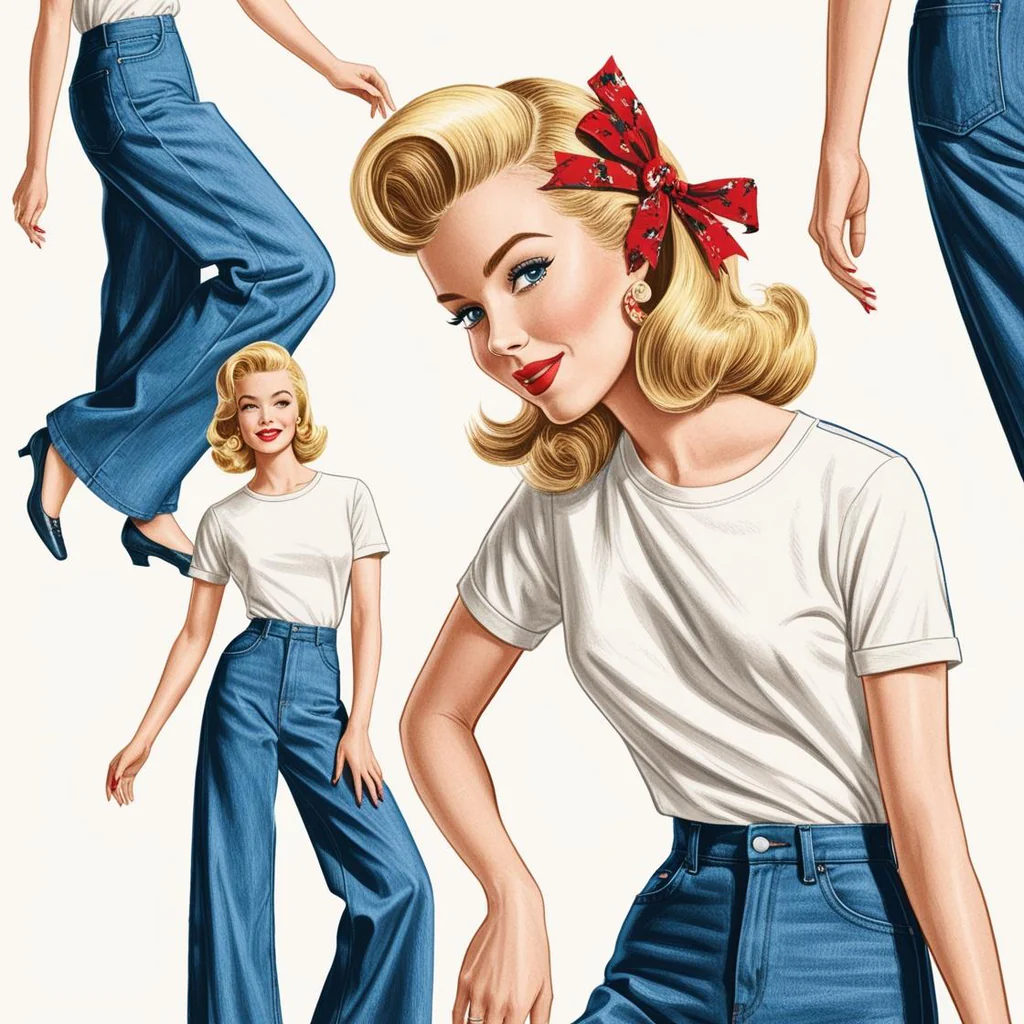
From Workwear to Wardrobe Staple: A Fashion Revolution
The social transformation required dismantling entrenched dress codes. Corporate environments historically demanded formal attire as professional legitimacy markers. The gradual acceptance of jeans and t-shirts in workplace contexts represents one of fashion’s most significant democratic victories.
Tech industry pioneers accelerated this shift during the 1990s. Silicon Valley’s casual dress culture influenced global business practices, proving that innovation didn’t require suits. Companies worldwide began adopting “casual Fridays,” eventually expanding to full-week relaxed policies.
The combination’s gender-neutral adoption patterns challenged traditional fashion binaries. Women embracing jeans rejected restrictive feminine dress expectations, while men adopting fitted t-shirts explored previously forbidden territory. This cross-pollination created new styling possibilities for all identities.
Economic factors supported this evolution. Manufacturing advances reduced quality garment costs while increasing durability. Consumers could invest in fewer, better pieces rather than extensive formal wardrobes, aligning with changing lifestyle priorities.
How to Style Jeans and a T-Shirt: 25+ Essential Tips for Every Occasion
Mastering this combination requires understanding fit fundamentals, color relationships, and contextual adaptation. These principles transform basic garments into sophisticated expressions of personal style. Each tip builds upon core concepts while allowing individual interpretation.
1. Foundation Fit Philosophy: Proper fit creates the structural integrity for all styling decisions. Jeans should follow body contours without restriction, while t-shirts need sufficient ease for natural movement without excess fabric.
2. Proportion Balance: Create visual harmony through fit relationships. Slim-fit jeans pair beautifully with relaxed t-shirts, while straight-leg denim complements fitted knits.
3. Rise Theory: High-rises elongate legs and create defined waistlines, mid-rises offer classic proportions, while low-rises work specifically with longer torsos.
4. Sleeve Length Strategy: Standard sleeves hit mid-bicep, creating flattering arm proportions. Adjusting sleeve length changes the entire silhouette’s energy.
5. Hemline Precision: Jean hems should create clean breaks at shoe contact, while t-shirt lengths vary by styling intent—crop styles for modern edge, longer lengths for coverage.
6. Fabric Weight Coordination: Heavier denim (14+ oz) pairs with substantial t-shirt fabrics, while lighter denim works with softer knits.
7. Color Foundation: Neutral bases—navy, charcoal, olive, cream—provide styling flexibility while bold colors make intentional statements.
8. Contrast Control: High contrast combinations create visual interest, while tonal dressing offers sophisticated subtlety.
9. Texture Integration: Smooth denim with textured knits creates dimensional interest without pattern complications.
10. Seasonal Adaptation: Lighter washes and breathable fabrics for warm weather, darker tones and substantial materials for cooler months.
11. Tucking Techniques: Front tucks create casual refinement, full tucks offer structure, while untucked styling emphasizes relaxation.
12. Cuffing Strategies: Jean cuffs add visual weight and showcase footwear, while t-shirt sleeve cuffs create defined silhouettes.
13. Layering Fundamentals: T-shirts serve as excellent base layers for jackets, cardigans, and overshirts without bulk addition.
14. Accessory Integration: Belts define waistlines, watches add polish, while minimal jewelry maintains the combination’s authentic spirit.
15. Footwear Transition: Sneakers emphasize casual energy, boots add structure, while loafers create smart-casual elevation.
16. Quality Over Quantity: Investing in superior fabrics—like Awcaseus‘ 250-280gsm cotton blends—ensures longevity and consistent appearance.
17. Wash Cycle Wisdom: Darker rinses offer formal versatility, mid-tones provide everyday practicality, while light washes create relaxed atmospheres.
18. Silhouette Variation: Mixing fits prevents styling monotony—pairing relaxed jeans with fitted tees or vice versa.
19. Occasion Calibration: Understanding context ensures appropriate styling choices without compromising personal expression.
20. Body Type Optimization: Every body benefits from this combination when fits are properly selected for individual proportions.
21. Brand Consistency: Developing relationships with reliable brands ensures consistent sizing and quality standards.
22. Care Preservation: Proper maintenance extends garment life and maintains appearance integrity.
23. Storage Solutions: Hanging prevents wrinkles, while folding maintains shape for travel or compact storage.
24. Investment Priority: Prioritize quality in frequently worn pieces while experimenting with trends in occasional wear.
25. Personal Evolution: Allow styling preferences to develop naturally rather than forcing trendy interpretations that feel inauthentic.
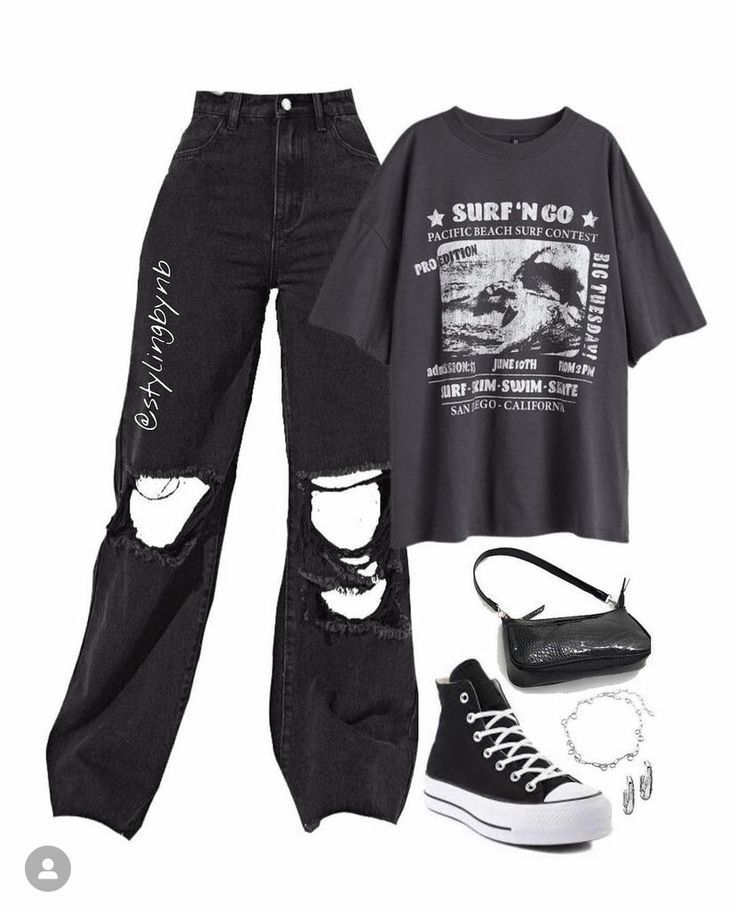
Essential Fit Guidelines for the Perfect Foundation
Achieving proper fit requires understanding body measurements, fabric behavior, and personal comfort preferences. The foundation determines whether the combination appears polished or sloppy, regardless of garment quality.
Denim fit begins with waist measurement accuracy. The waistband should rest comfortably at your natural waistline without requiring belt dependence for security. Rise selection affects overall proportions—experiment with different heights to discover what creates your most flattering silhouette.
Thigh fit significantly impacts comfort and appearance. Excessive tightness creates unflattering strain lines, while too much room appears sloppy. The fabric should lie smooth without pulling or bunching when standing or sitting.
T-shirt shoulder seams should align with your natural shoulder points. This fundamental fit element affects how the entire garment drapes. Armholes should provide adequate room for comfortable arm movement without excess fabric gathering.
Length considerations vary by personal preference and body type. Jean inseams should create subtle breaks at shoe contact, while t-shirt lengths can range from cropped to longer depending on styling goals and torso proportions.
Color Coordination Mastery: Creating Cohesive Looks
Color relationships form the visual foundation for sophisticated jeans and t-shirt styling. Understanding basic color theory enables confident combination choices while avoiding common coordination mistakes.
Monochromatic approaches using varying shades of single colors create elegant sophistication. Navy jeans with lighter blue t-shirts, or charcoal denim with gray tops, demonstrate this refined technique.
Complementary colors—opposites on the color wheel—create dynamic visual interest. Orange-toned t-shirts with indigo denim, or olive green with burgundy accents, showcase this principle.
Analogous combinations use adjacent colors for harmonious blending. Earth tone progressions—camel, olive, and burnt orange—create naturally pleasing relationships.
Neutral foundations provide styling security while allowing accent color experimentation. Classic combinations like dark denim with white, gray, or cream t-shirts never fail because they emphasize fit and texture over color competition.
Seasonal color adjustments maintain year-round relevance. Brighter, lighter tones suit spring and summer energy, while deeper, richer colors align with autumn and winter moods.
Elevating Your Look: From Casual to Chic in Minutes
Transformation techniques allow rapid styling adjustments for changing occasions without complete outfit changes. These strategies maximize wardrobe utility while maintaining comfort.
Strategic tucking immediately elevates casualness. A front tuck creates intentional styling without excess formality, while full tucking with a quality belt adds structure and definition.
Layering transforms basic combinations into complex, interesting looks. Lightweight cardigans, structured blazers, or casual jackets add sophistication without sacrificing the combination’s essential comfort.
Accessory upgrades provide instant polish. Minimal jewelry, quality watches, or structured bags elevate perceived formality while maintaining authentic casual energy.
Footwear transitions dramatically impact overall impression. Switching from athletic shoes to leather boots or clean sneakers to loafers changes the entire outfit’s energy level.
Quality attention to details—ensuring clothes are unwrinkled, properly fitted, and well-maintained—creates polished impressions regardless of formality level.
Seasonal Styling: How to Wear Jeans and a T-Shirt Year-Round
Seasonal adaptation ensures year-round relevance while maintaining core combination benefits. Climate considerations, fabric choices, and layering strategies enable comfortable wearing across temperature variations.
Understanding fabric behavior in different conditions prevents common seasonal styling mistakes. Heavy cotton t-shirts become uncomfortable in summer heat, while lightweight knits may not provide adequate warmth during cold weather transitions.
Color psychology aligns seasonal choices with natural rhythms. Lighter, brighter colors complement summer energy, while deeper, richer tones match autumn and winter moods. This alignment creates harmonious relationships with environmental changes.
Layering systems provide temperature regulation flexibility. Building outfits in removable layers allows adaptation to changing conditions throughout single days or varied indoor/outdoor environments.
Regional climate considerations require specific strategies. Humidity, wind, and precipitation patterns affect fabric choices and styling approaches for optimal comfort and appearance.
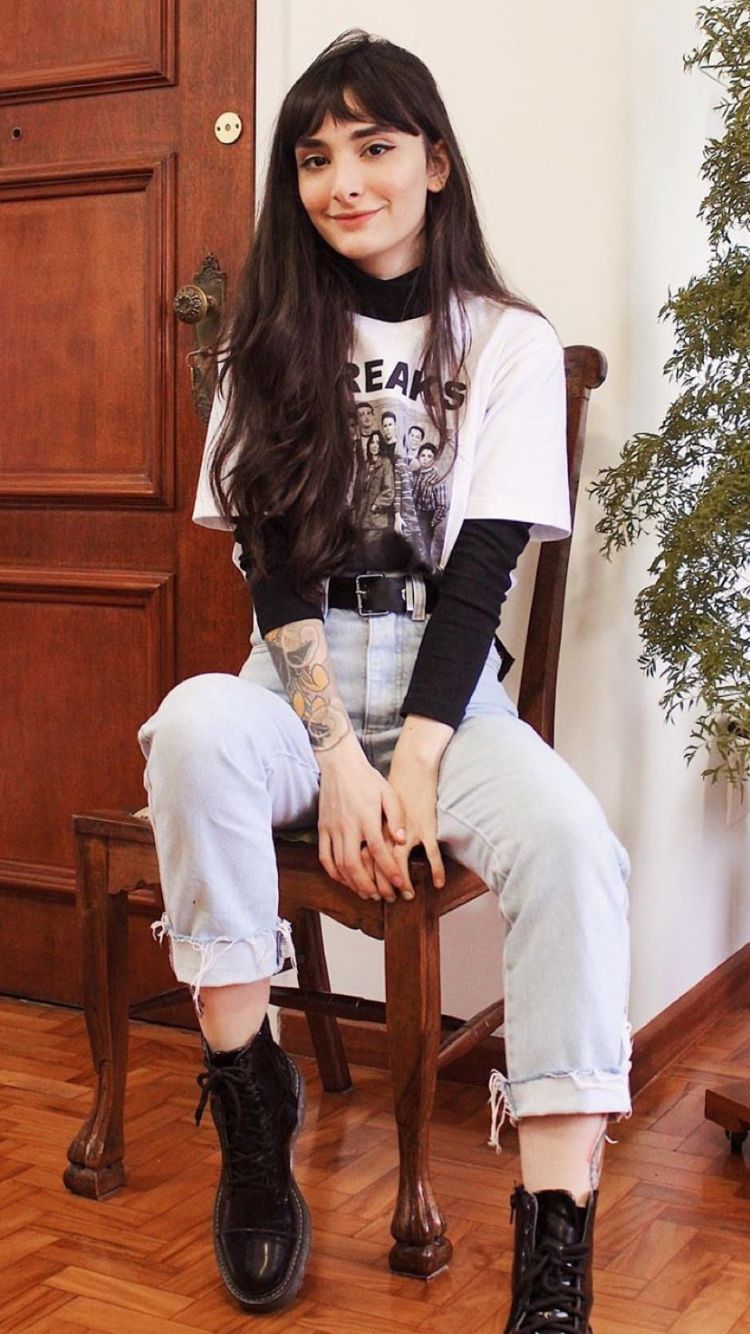
Spring and Summer: Mastering Light and Breezy Combinations
Warm weather styling emphasizes breathability, sun protection, and lightweight comfort. Fabric technology advances offer superior performance without sacrificing aesthetic appeal.
Lightweight denim in raw or lightly treated finishes provides comfort in elevated temperatures. Look for cotton-linen blends or stretch technologies that maintain structure while offering temperature regulation.
T-shirt fabric weights between 140-180gsm offer ideal warm weather balance—substantial enough for quality appearance yet light enough for comfort. Bamboo blends, organic cotton, and modal combinations provide superior breathability.
Color strategies for summer include lighter washes and brighter tones that reflect heat while creating energetic appearances. Pastels, whites, and light grays offer psychological cooling effects alongside practical benefits.
Sun protection considerations include longer sleeves for extended outdoor exposure or high-quality UV-protective fabrics. Wide-brimmed accessories complement the aesthetic while providing practical protection.
Footwear transitions to breathable options—canvas sneakers, leather sandals, or lightweight boots maintain style while accommodating warmer temperatures.
Fall and Winter: Layering Strategies for Warmth and Style
Cold weather requires systematic layering approaches that maintain style while providing necessary warmth. Understanding layer functions prevents bulk while ensuring comfort.
Base layer principles position t-shirts as thermal regulation foundations. Quality cotton knits with optimal fit provide comfortable next-to-skin layers that work with additional warming pieces.
Mid-layer options include lightweight sweaters, cardigans, or hoodies that add warmth without restricting movement. Strategic color and texture choices maintain visual interest across multiple pieces.
Outer layer selection depends on climate severity and lifestyle requirements. Denim jackets create tonal sophistication, wool coats offer formal warmth, while technical outerwear provides weather protection.
Accessory integration includes scarves, hats, and gloves that complement rather than compete with the basic combination. Quality materials and coordinated colors maintain outfit cohesion.
Indoor/outdoor transition considerations require easily removable layers that maintain appropriate appearance in varying environments throughout daily activities.
Occasion-Based Styling: 15+ Scenarios from Casual to Professional
Contextual adaptation transforms basic combinations into situation-appropriate attire without compromising personal authenticity. Understanding environmental expectations enables confident styling choices.
Professional environments require elevated interpretation through fit precision, quality materials, and strategic accessory choices. The key lies in maintaining the combination’s essential character while meeting workplace standards.
Social situations offer creative expression opportunities while considering group dynamics and activity requirements. Comfort and confidence should guide styling decisions over trend following.
Travel applications benefit from the combination’s versatility and comfort. Strategic packing approaches maximize outfit options while minimizing luggage requirements.
Activity-specific considerations include movement requirements, environmental conditions, and equipment needs that might affect styling choices.
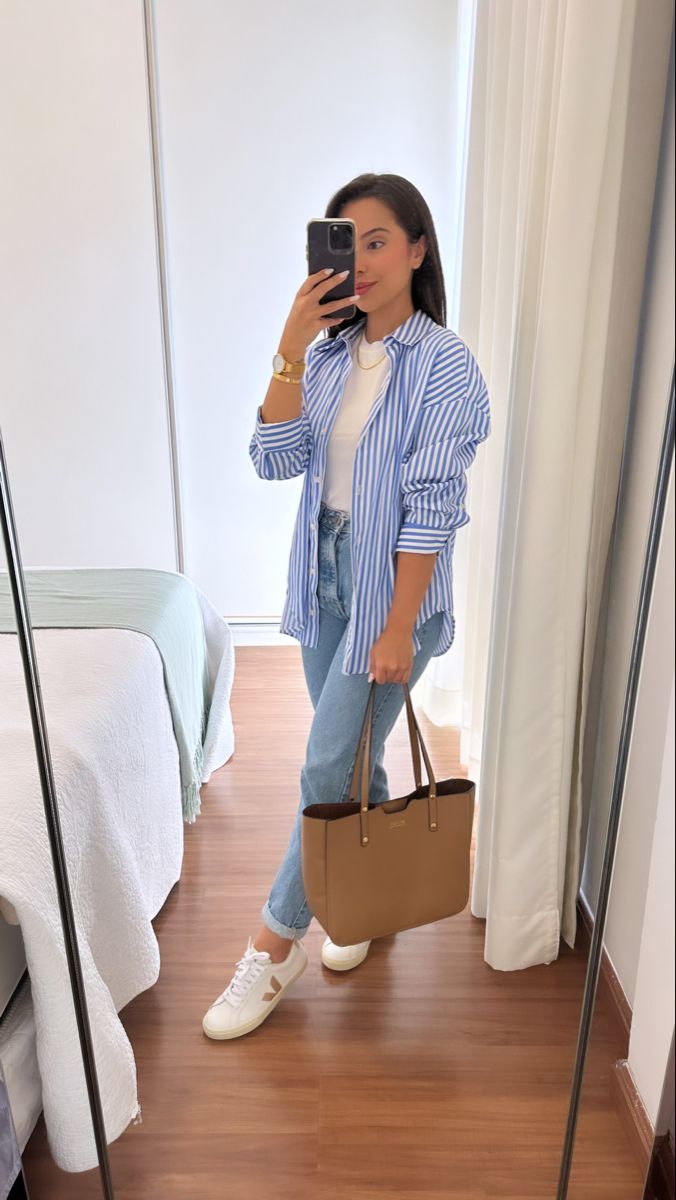
Workplace Styling: Making Jeans and a T-Shirt Office-Appropriate
Professional interpretation requires understanding industry cultures, company policies, and personal career considerations. The approach emphasizes refined simplicity over casual disregard.
Dark, well-fitted denim in premium fabrics provides professional foundation. Avoid distressing, fading, or overly casual details that might undermine credibility in conservative environments.
T-shirt elevation through superior fabrics and precise fits transforms casual garments into workplace-appropriate pieces. Look for structured knits with minimal drape and quality construction details.
Layering strategies include blazers, cardigans, or structured shirts that add formality while maintaining comfort. These pieces should complement rather than hide the underlying combination.
Accessory selection emphasizes quality over quantity. Professional watches, minimal jewelry, and structured bags create polished impressions without excessive embellishment.
Grooming standards become more critical in professional contexts. Hair, facial hair, and general presentation should align with industry expectations while reflecting personal style.
Social Events: Dressing Up Your Go-To Combination
Social styling opportunities range from casual gatherings to semi-formal celebrations. The key lies in reading environmental cues while maintaining authentic personal expression.
Evening events benefit from darker tones, richer textures, and strategic metallic accents that catch ambient lighting. Quality fabrics with subtle sheen elevate perceived formality.
Restaurant dining requires balance between comfort and respect for establishment atmosphere. Consider venue style, companion expectations, and activity requirements when making styling decisions.
Cultural events offer creative expression opportunities while showing appropriate respect for venues and occasions. Research dress expectations when uncertain about appropriate formality levels.
Age considerations affect styling approaches across different life stages. Refined fits and quality materials become increasingly important for maintaining sophisticated appearances.
Party contexts allow for more experimental approaches—bold colors, interesting textures, or statement accessories that reflect celebratory atmospheres.
Common Styling Mistakes and How to Avoid Them
Recognition and correction of frequent errors dramatically improves overall appearance and confidence. Most mistakes stem from fit issues, proportion problems, or inappropriate occasion choices.
Fit failures represent the most common category of styling errors. Improper sizing affects how fabric drapes, moves, and presents on the body, undermining even quality garments.
Color coordination mistakes create visual discord that distracts from personal presentation. Understanding basic color relationships prevents most coordination errors.
Quality compromises in pursuit of trend following often backfire. Temporary fashion moments rarely justify sacrificing long-term wardrobe investments.
Occasion misreading leads to inappropriate styling choices that create discomfort or social awkwardness. Developing situational awareness prevents most context-related errors.
Fit Failures: Getting the Proportions Right
Proportion mistakes affect visual harmony and create unflattering silhouettes regardless of body type or garment quality. Understanding proper relationships between garment elements prevents most fit-related issues.
Oversized combinations in both jeans and t-shirts create shapeless appearances that do nobody favors. While relaxed fits offer comfort, they require strategic balancing to maintain attractive proportions.
Conversely, overly tight fits in both pieces create uncomfortable restriction and unflattering stress lines. Proper fit allows natural body contours without excessive constraint.
Mixed proportions—combining fitted and relaxed elements—create more interesting and flattering silhouettes. Skinny jeans with oversized t-shirts or wide-leg denim with fitted tops demonstrate this principle.
Length considerations affect leg and torso proportions. Proper jean inseams and t-shirt lengths create balanced appearances that complement individual body types.
Rise selection impacts waistline definition and leg length appearance. Understanding how different rises affect overall proportions enables better styling choices.
Quality Over Quantity: Investing in Better Basics
Long-term wardrobe success depends on prioritizing quality in frequently worn pieces. The cost-per-wear calculation often favors higher-quality garments that maintain appearance over time.
Fabric quality affects comfort, durability, and appearance retention through multiple wear and wash cycles. Superior materials like Awcaseus’ carefully selected 250-280gsm cotton blends offer exceptional longevity while maintaining structural integrity and comfort.
Construction details including reinforced seams, quality stitching, and durable hardware extend garment life significantly. These elements justify higher initial costs through extended wear periods.
Fit consistency from quality brands reduces sizing uncertainty and enables confident purchasing decisions. Developing relationships with reliable manufacturers ensures predictable results.
Care requirements vary significantly between quality levels. Better garments often maintain appearance with minimal special care, while cheaper alternatives may require expensive maintenance or frequent replacement.
Brand philosophy alignment ensures purchases support companies whose values match personal priorities. Sustainable practices, fair labor conditions, and quality commitments create meaningful purchasing criteria beyond price considerations.
Gender-Neutral Styling: Universal Appeal of Jeans and a T-Shirt
The combination’s inherent neutrality enables expression across gender spectrums without traditional fashion constraints. This inclusivity reflects evolving cultural understanding of identity and self-expression.
Fit principles apply universally regardless of gender identity. Proper proportion, comfort, and personal preference guide styling decisions more effectively than arbitrary gender rules.
Unisex brands increasingly offer fits designed for diverse body types without gendered marketing. This approach recognizes that body diversity exists across all identity categories.
Styling techniques transcend traditional boundaries. Tucking, layering, and accessorizing strategies work effectively for anyone willing to experiment with different approaches.
Personal expression should guide choices over external expectations. The combination’s versatility accommodates individual style preferences regardless of societal assumptions.
Sustainable Fashion: Building an Eco-Friendly Jeans and T-Shirt Wardrobe
Environmental consciousness increasingly influences fashion decisions. Building sustainable wardrobes requires understanding production methods, material sources, and longevity strategies.
Fabric choices significantly impact environmental footprints. Organic cotton, recycled materials, and innovative sustainable fibers offer reduced ecological impact compared to conventional materials.
Production transparency allows informed decision-making about brand support. Companies like Awcaseus that prioritize eco-friendly practices and ethical manufacturing deserve consideration for environmentally conscious consumers.
Quality investment reduces consumption frequency through extended garment life. Well-made pieces resist premature wear and maintain appearance through numerous use cycles.
Care practices affect environmental impact through washing frequency, temperature choices, and chemical usage. Proper maintenance extends garment life while minimizing resource consumption.
End-of-life considerations include donation, recycling, or repurposing options when garments reach unusable condition. Planning for disposal during purchase prevents landfill waste.
Local production reduces transportation impacts while supporting regional economies. Understanding supply chain origins enables more informed environmental decisions.
Capsule wardrobe approaches emphasize versatility over volume. Focusing on pieces that work in multiple contexts reduces overall consumption while maintaining style variety.
The Psychology Behind the Perfect Casual Outfit
Psychological impacts of clothing choices affect confidence, comfort, and social interactions. Understanding these effects enables more intentional styling decisions that support personal well-being.
Comfort psychology demonstrates clear connections between physical ease and mental confidence. Well-fitted, comfortable clothing enables focus on activities rather than physical discomfort.
Social perception studies reveal that jeans and t-shirt combinations communicate approachability, authenticity, and relatability more effectively than formal attire in many contexts.
Personal identity expression through clothing choices affects self-perception and external presentation. The combination’s versatility accommodates diverse personality types and lifestyle requirements.
Cultural belonging signals through shared aesthetic choices create community connections. Participating in widely understood style languages facilitates social integration.
Professional implications of casual dress in formerly formal environments reflect changing work culture values that prioritize authenticity and comfort over traditional hierarchy markers.
Celebrity and Street Style Inspiration
Observing how public figures and style influencers interpret basic combinations provides inspiration without requiring direct imitation. The key lies in understanding principles rather than copying specific looks.
Celebrity styling demonstrates elevation techniques that transform simple garments into photographed ensembles. Professional styling reveals advanced principles accessible to anyone willing to learn.
Street style photography captures real-world applications across diverse contexts and demographics. These examples offer more practical inspiration than heavily stylized celebrity appearances.
International variations showcase cultural interpretations of universal themes. Global street style reveals how different regions adapt basic concepts to local preferences and climates.
Age diversity in style inspiration demonstrates that good principles work across life stages with appropriate adaptations for changing bodies and lifestyle requirements.
Budget accessibility should characterize inspiration sources. Focusing on achievable styling rather than expensive designer pieces makes inspiration practically applicable.
Personal interpretation remains crucial. Using inspiration as starting points rather than exact blueprints allows individual creativity while learning from others’ successes.
Shopping Guide: Building Your Perfect Jeans and T-Shirt Collection
Strategic purchasing ensures wardrobe effectiveness while maximizing investment value. Understanding priorities, quality indicators, and personal needs guides successful shopping decisions.
Essential pieces form foundation collections that work across multiple contexts. Prioritizing versatile, high-quality basics over trendy pieces creates lasting wardrobe value.
Budget allocation strategies balance investment pieces with experimental purchases. Spending more on frequently worn basics while purchasing trend pieces at lower price points optimizes financial resources.
Brand research reveals quality indicators, sizing consistency, and company values alignment. Understanding manufacturer reputations prevents disappointing purchases.
Fitting strategies account for size variations between brands and styles. Developing systematic approaches to trying on and evaluating fit improves purchase success rates.
Return policies provide purchasing security for online shopping. Understanding terms enables confident buying decisions despite inability to try items before purchase.
Seasonal timing affects pricing and selection availability. Strategic shopping during sales periods maximizes wardrobe investment while maintaining quality standards.
Essential Pieces: Your Capsule Wardrobe Foundation
Core collection building requires identifying pieces that work across multiple contexts while reflecting personal style preferences. Quality over quantity principles guide selection decisions.
Denim foundation should include dark wash for formal versatility, medium wash for everyday wear, and potentially one light wash for casual relaxed looks. Three quality pairs cover most styling needs.
T-shirt essentials include neutral colors—white, gray, navy, and black—in both crew neck and V-neck styles. These eight pieces provide mixing options for most occasions.
Fit variety within collections prevents monotony while accommodating different styling goals. Including both fitted and relaxed options enables proportion play and comfort choices.
Fabric weight variations serve different seasonal and styling needs. Heavier fabrics for structure and cooler weather, lighter weights for comfort and warm climates.
Quality indicators include construction details, fabric composition, and brand reputation. Investing in superior basics like Awcaseus pieces ensures longevity and consistent appearance.
Brand consistency within categories reduces size uncertainty and enables confident purchasing decisions. Developing relationships with reliable manufacturers improves purchase success rates.
Budget-Friendly vs. Investment Pieces: Where to Splurge and Save
Strategic spending prioritizes quality where it matters most while allowing experimentation in less critical areas. Understanding value drivers guides optimal resource allocation.
Investment priorities should focus on frequently worn basics in neutral colors. These pieces justify higher costs through extended wear life and versatility across multiple contexts.
Trend experimentation can utilize lower-priced options since fashion movements change rapidly. Investing heavily in potentially short-lived styles rarely provides good value.
Construction quality significantly affects longevity. Superior stitching, reinforced stress points, and quality hardware justify higher prices through extended wear periods.
Fabric composition impacts comfort, appearance retention, and care requirements. Premium materials maintain appearance through multiple wash cycles while providing superior wearing experience.
Brand reputation correlates with quality consistency and customer service. Established companies with positive reviews typically provide better purchase experiences and product reliability.
Price-per-wear calculations reveal true garment value over time. Higher initial costs often provide better long-term value through extended usefulness and maintained appearance.
Frequently Asked Questions About Jeans and T-Shirt Styling
Common questions reveal widespread styling concerns that affect many individuals. Addressing these issues provides practical guidance for improved results.
Professional appropriateness varies significantly by industry and company culture. Understanding specific workplace expectations enables confident styling choices without career concerns.
Body type considerations affect styling approaches but shouldn’t limit options. Proper fit principles work for all bodies when appropriately applied to individual proportions.
Age appropriateness concerns reflect outdated fashion rules rather than actual limitations. Quality pieces styled thoughtfully work across all life stages with appropriate adaptations.
Quality assessment requires understanding fabric composition, construction details, and brand reputation. Developing evaluation skills improves purchasing decisions.
Care instructions vary by fabric type and construction methods. Following proper maintenance procedures extends garment life while maintaining appearance.
Can Jeans and a T-Shirt Ever Be Formal Enough?
Context determines appropriateness rather than inherent garment limitations. Quality pieces styled thoughtfully can meet most dress requirements outside strictly formal events.
Professional environments increasingly accept elevated casual dress. Dark, well-fitted denim with premium t-shirts often meets business casual requirements.
Strategic styling additions like blazers, quality accessories, and refined footwear elevate perceived formality without changing the basic combination.
Industry cultures vary significantly in dress expectations. Tech companies embrace casual dress while traditional professions may require more formal approaches.
Personal career considerations should influence styling decisions. Understanding advancement requirements and company culture guides appropriate choices.
How to Choose the Right T-Shirt for Your Body Type?
Fit principles apply universally while accommodating individual proportions. Understanding how different cuts affect body lines enables flattering choices for everyone.
Neckline selection affects face shape and upper body presentation. Crew necks provide classic coverage while V-necks create vertical lines that elongate the torso.
Sleeve length impacts arm appearance and overall proportions. Standard sleeves hitting mid-bicep work for most people, while adjustments can enhance specific features.
Body length considerations affect torso proportions and styling options. Proper lengths create balanced appearances without excess fabric or inadequate coverage.
Fabric drape influences how garments skim the body. Understanding how different materials behave enables choices that complement individual body shapes.
What’s the Best Way to Care for Your Jeans and T-Shirts?
Proper maintenance extends garment life while preserving appearance quality. Understanding fabric-specific requirements prevents premature wear and damage.
Washing frequency depends on usage patterns and fabric types. Over-washing damages fibers while under-washing creates hygiene and appearance issues.
Temperature selection affects fabric integrity and color retention. Cooler water preserves colors and prevents shrinkage but may not clean as effectively.
Drying methods significantly impact garment shape and longevity. Air drying preserves fabric structure while machine drying offers convenience but may cause shrinkage.
Storage approaches prevent wrinkles and maintain shape during non-wear periods. Proper hanging or folding techniques preserve appearance between uses.
Expert Styling Tips from Fashion Professionals
Industry professionals offer advanced insights gained through extensive experience working with diverse clients and challenging styling situations.
Professional stylists emphasize fit as the foundation for all successful styling. No amount of creativity compensates for poorly fitted garments that don’t complement the wearer’s body.
Fashion editors recognize that confidence trumps trend following. Authentic personal style creates more compelling presentations than forced adoption of popular movements.
Retail experts note that quality investment provides better long-term satisfaction than quantity purchases. Customers consistently report higher satisfaction with fewer, better pieces.
Celebrity stylists reveal that preparation and understanding occasion requirements prevent most styling failures. Research and planning enable confident choices in challenging situations.
Fashion photographers observe that simplicity often photographs more successfully than complexity. Clean, well-fitted basics create compelling images across diverse contexts.
The Future of Casual Dressing: Trends and Predictions
Fashion evolution continues adapting to changing lifestyle requirements, technological advances, and cultural shifts. Understanding trajectory patterns enables informed wardrobe investment decisions.
Sustainability consciousness will increasingly influence purchasing decisions. Consumers demand transparency in production methods and environmental impact information.
Technology integration offers enhanced performance features without sacrificing aesthetic appeal. Smart fabrics, advanced textiles, and innovative construction methods improve wearing experience.
Gender neutrality in fashion design reflects evolving cultural understanding of identity and expression. Unisex approaches accommodate diverse body types and style preferences.
Customization technologies enable personalized fit and styling options. Made-to-measure services and style consultation AI provide individualized fashion solutions.
Remote work culture changes professional dress requirements permanently. Comfort and versatility become prioritized over traditional formality markers.
Global cultural exchange accelerates through digital connectivity. Style influences spread rapidly across geographic boundaries while maintaining local adaptations.
Quality consciousness grows as consumers recognize the environmental and economic benefits of durable goods. Investment in fewer, better pieces replaces fast fashion consumption patterns.
The enduring appeal of jeans and t-shirt combinations lies in their fundamental honesty—they represent what clothing should accomplish without pretension or artifice. This pairing serves as a textile foundation for authentic self-expression while meeting practical daily requirements.
Through understanding quality indicators, mastering fit principles, and developing personal styling approaches, anyone can transform basic garments into sophisticated expressions of individual style. The investment in learning these principles pays dividends through increased confidence, improved appearance, and more strategic wardrobe decisions.
As fashion continues evolving toward sustainability, inclusivity, and authenticity, the jeans and t-shirt combination stands as a testament to enduring design principles that transcend temporary trends. Whether pursuing professional success, creative expression, or daily comfort, this fundamental pairing provides the foundation for countless styling possibilities limited only by individual imagination and commitment to quality.

At Awcaseus, we create more than t-shirts — we craft statements. Inspired by urban stillness and modern philosophy, our pieces combine premium fabrics, structured fits, and abstract graphics. Every design is a reflection of thought, identity, and quiet confidence. Awcaseus is where fashion becomes a voice — and you wear the future.
Related posts:
 Master the T-Shirt Over Hoodie Trend: 25+ Styling Tips for 2025
 Skirt with T-Shirt: 27 Expert Ways to Master 2025’s Most Versatile Look
 Guy in White T Shirt: The Ultimate Guide to Style, Meaning & Trends
 Master the T Shirt Over Long Sleeve Trend: Ultimate 2025 Style Guide
 Pant and T Shirt: 25+ Stylish Combos and Expert Tips for 2025