

Outfit Ideas
How to Style Oversized T-Shirts: 15+ Trendy Looks for 2025
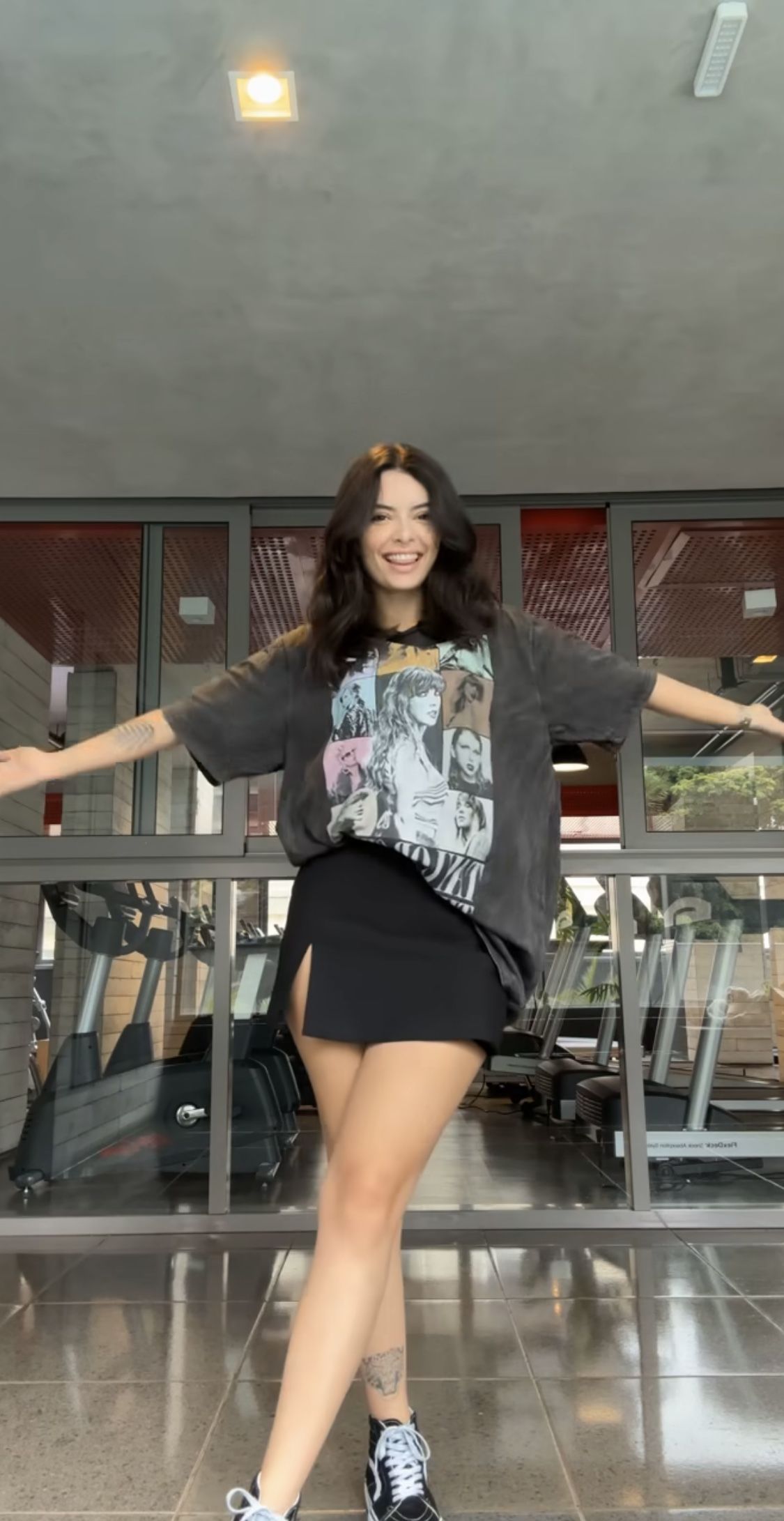
Aug
The oversized t-shirt has evolved from a simple comfort garment to a cornerstone of contemporary fashion philosophy. As 2025 approaches, this versatile piece represents more than just relaxed fit—it embodies the intersection of minimalism, sustainability, and urban aesthetics that define modern style consciousness.
Current fashion data reveals that 73% of consumers prioritize versatile pieces that serve multiple styling purposes, with oversized silhouettes leading the trend. The movement toward conscious consumption has positioned quality oversized t-shirts as investment pieces, particularly those crafted from premium cotton weighing 250-280gsm that maintain structural integrity across countless styling variations.
This comprehensive guide explores over 15 proven methods to transform your oversized t-shirt from casual staple to fashion statement, covering everything from fundamental proportion principles to advanced layering techniques that work across seasons and occasions.
What Makes an Oversized T-Shirt Worth Styling?
An oversized t-shirt transcends conventional fit boundaries, typically featuring dropped shoulders, extended torso length, and deliberate volume that creates sculptural silhouettes when worn. The distinction between “oversized” and simply “too large” lies in intentional design proportions that enhance rather than overwhelm the wearer’s frame.
Styling matters because an unstylized oversized t-shirt can create unflattering silhouettes that mask body proportions entirely. Strategic styling transforms excess fabric into deliberate design elements, creating visual interest through contrast, layering, and proportion manipulation.
The versatility spans demographics remarkably—from petite frames using oversized pieces to create elongating effects to taller individuals employing them for relaxed sophistication. Quality construction becomes paramount here, as inferior fabrics lose their intended drape, compromising styling potential entirely.
Premium materials maintain their architectural qualities through countless wears and washes, ensuring your styling efforts yield consistent results over time.
The Science Behind Perfect Oversized Fit
Fabric composition directly influences draping behavior, with cotton blends weighing 250-280gsm providing optimal structure without stiffness. This weight range ensures the garment holds its shape while allowing natural movement, creating the deliberate volume essential for effective styling.
Construction techniques significantly impact how oversized proportions interact with body types. Double-stitched seams prevent fabric distortion, while pre-shrinking processes maintain sizing consistency post-wash—critical factors when styling relies on precise fit relationships between garments.
Research indicates that fabric memory—the ability to return to original shape after stretching—affects styling longevity. Higher gsm fabrics demonstrate superior memory retention, maintaining styled appearances throughout wear cycles.
The relationship between fabric weight and drape follows predictable patterns: lighter weights create fluid movement but lack structure for architectural styling, while heavier weights provide structure but may appear bulky when layered.
Essential Principles: How to Style an Oversized T-Shirt
Understanding proportion balance forms the foundation of successful oversized styling. The cardinal rule involves pairing volume with adjacent fitted elements—loose tops with fitted bottoms, and vice versa. This creates visual anchors that prevent overwhelming silhouettes while maintaining deliberate styling choices.
Silhouette creation requires strategic contrast points. When wearing an oversized t-shirt, identify areas where you’ll introduce fitted elements: waistbands, lower legs, or sleeves through layering. These contrast points define your overall shape while preserving the oversized piece’s architectural integrity.
Fabric consideration extends beyond the t-shirt itself to complementary pieces. Mixing textures—pairing cotton’s matte finish with denim’s structured weave or leather’s smooth surface—adds visual complexity that elevates casual oversized pieces into sophisticated ensembles.
Fit selection involves understanding your proportions relative to the garment’s dimensions. The optimal oversized fit should extend 5-7 cm beyond your natural shoulder line, with hem length varying based on styling intention and body proportions.
Balancing Proportions: The Golden Rule of Oversized Styling
The loose-with-fitted principle operates on visual weight distribution. When your upper body carries volume through an oversized t-shirt, your lower half requires structured contrast to maintain proportion harmony. This might manifest as tailored trousers, fitted skirts, or leggings that anchor the look’s foundation.
Creating visual interest involves introducing elements that break up the oversized piece’s continuous silhouette. Strategic tucking, belting, or layering creates focal points that guide the eye through your ensemble rather than allowing it to get lost in excess fabric.
Avoiding overwhelming silhouettes requires careful attention to cumulative volume. Pairing oversized tops with equally voluminous bottoms creates shapeless profiles that obscure intentional styling. Instead, let one piece dominate volume while others provide structured balance.
Body type considerations focus on enhancement rather than concealment. Oversized pieces can elongate shorter torsos, broaden narrow shoulders, or create curves on straighter frames—but only when styled with complementary proportional elements that support these effects.
Choosing Quality: Why Fabric Matters in Oversized Styling
Fabric weight affects drape behavior fundamentally. Lightweight cotton (under 200gsm) lacks the structure needed for architectural styling, while heavyweight cotton (over 300gsm) can appear bulky rather than deliberately oversized. The 250-280gsm range provides optimal balance between structure and movement.
Premium cotton benefits extend beyond immediate comfort to styling longevity. Higher-quality fibers resist pilling, maintain color intensity, and preserve their intended drape through repeated washes—essential qualities when your styling depends on consistent fabric behavior.
Durability impacts styling longevity directly. Inferior construction fails under styling stress—seams separate during tucking, fabric distorts after belting, and overall shape degrades quickly. Quality construction withstands styling manipulation while maintaining original proportions.
Eco-friendly materials support the sustainable fashion movement while often providing superior performance characteristics. Organic cotton and responsibly sourced blends typically feature longer fibers that create stronger, more durable fabric—supporting both environmental and styling objectives.
15+ Proven Ways to Style an Oversized T-Shirt
1. The Classic Contrast Method
Create defined silhouettes by pairing your oversized t-shirt with high-waisted, slim-fit bottoms. This timeless approach works with skinny jeans, fitted trousers, or leggings. The key lies in ensuring the bottom half provides structural contrast to the loose upper volume.
Tuck the front portion partially into your waistband, leaving the sides and back loose for asymmetrical interest. This technique works particularly well with belted high-waisted pieces, creating an intentional styling moment that appears effortless.
For elevated versions, choose bottom pieces with interesting details—textured fabrics, unique cuts, or statement hardware that adds visual complexity while maintaining the fitted silhouette your oversized top requires for optimal proportion balance.
2. Elevated Streetwear Styling
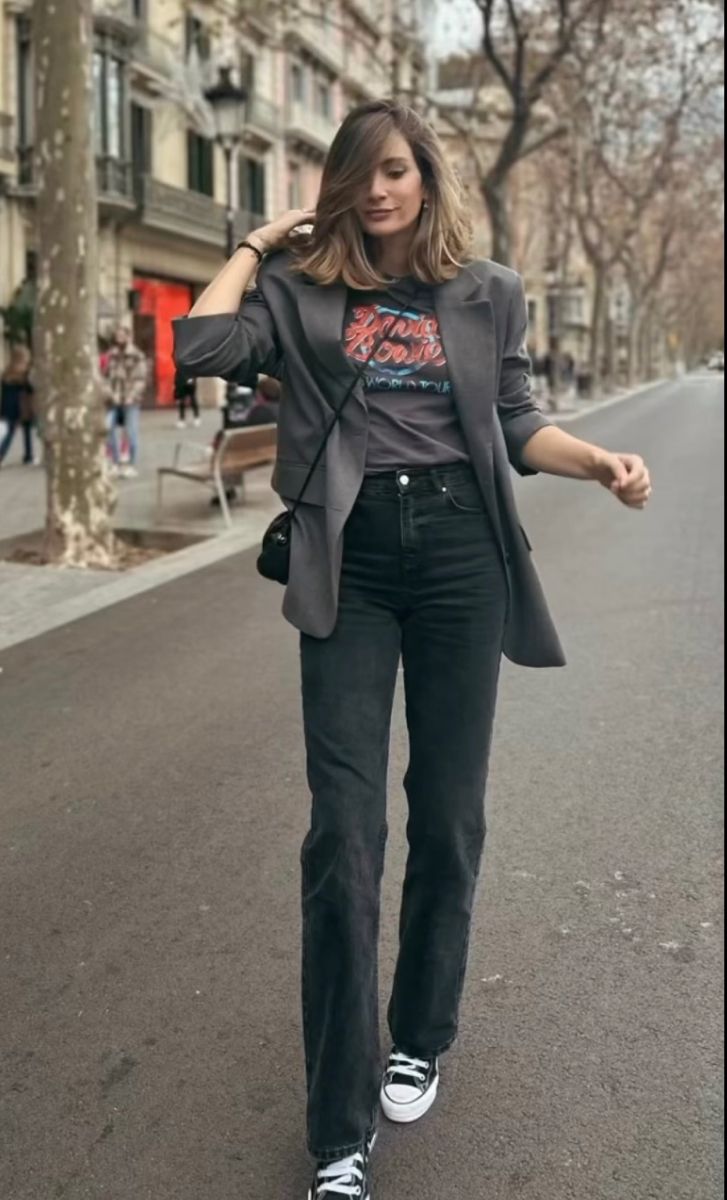
Layer your oversized t-shirt under structured blazers or denim jackets, creating sophisticated casual looks that bridge comfort and professionalism. This approach maintains the t-shirt’s relaxed essence while introducing formal elements that elevate the overall aesthetic.
Choose outerwear in contrasting colors or textures—a navy blazer over a white oversized t-shirt, or a leather jacket over soft cotton creates visual tension that keeps the look interesting. Ensure the outerwear’s shoulder line aligns with your natural shoulders rather than the t-shirt’s dropped construction.
Complete the look with streamlined bottoms and structured accessories. Clean leather sneakers, tailored trousers, and minimal jewelry maintain the elevated approach while honoring streetwear’s foundational casualness.
3. Professional Layering Techniques
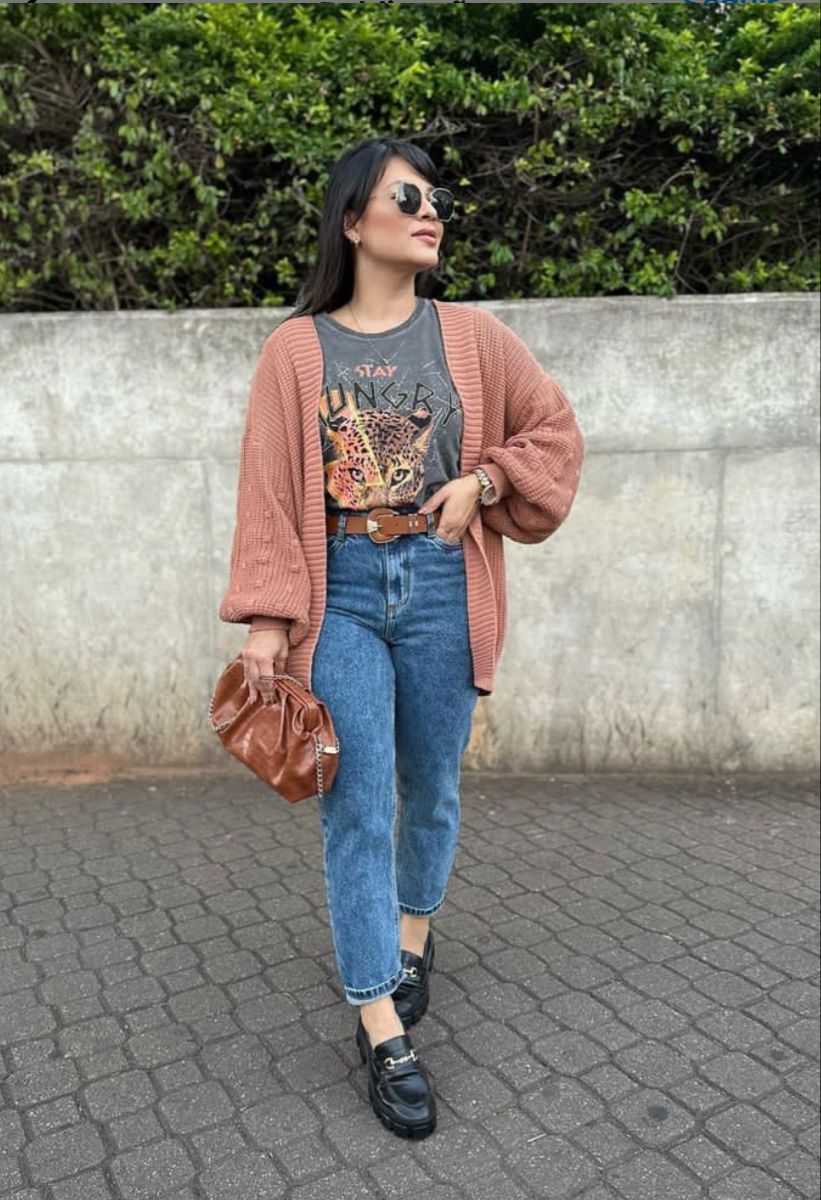
Transform oversized t-shirts into workplace-appropriate pieces through strategic layering with cardigans, structured sweaters, or lightweight blazers. The key involves creating professional silhouettes while incorporating the t-shirt as a foundation layer rather than the focal point.
Choose neutral-toned t-shirts that complement your outer layers—white, gray, or black work universally. Ensure the t-shirt’s neckline remains appropriate for professional settings, avoiding deep V-necks or wide necklines that might show through business layers.
Maintain professional proportions by selecting fitted outer layers that define your waist and shoulders. This creates workplace-appropriate structure while allowing the comfort benefits of oversized foundation pieces to enhance your daily wear experience.
4. The Tuck-and-Tie Approach
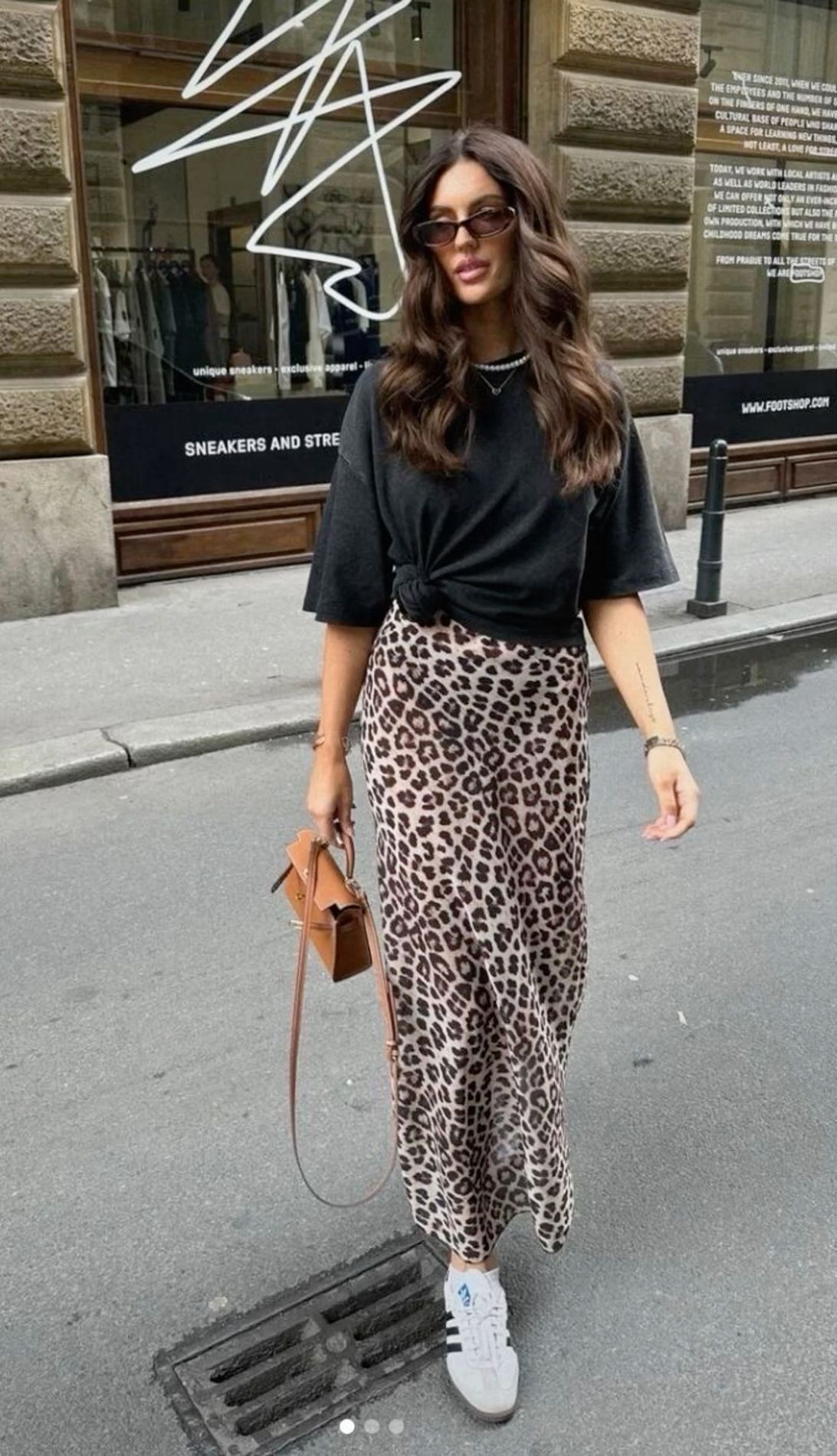
Create custom silhouettes by tying oversized t-shirts at the waist or hip. This technique allows precise control over garment length and creates interesting texture through fabric gathering. Side ties work particularly well for creating asymmetrical hem lines that add visual interest.
Front ties positioned slightly above the natural waistline create flattering proportions for most body types. This technique works especially well with high-waisted bottoms, creating defined waist emphasis that balances the oversized upper volume.
Experiment with tie positions—side ties for asymmetry, back ties for surprise detail, or multiple ties for complex texture. Each position creates different silhouette effects, allowing one oversized piece to serve multiple styling purposes across different occasions.
5. T-Shirt Dress Transformation
Wear your oversized t-shirt as a dress, adding belts or layering pieces to create intentional structure. This approach works particularly well with longer oversized pieces that naturally fall to mid-thigh or knee length.
Define the waist with statement belts—wide leather belts for bold contrast, or delicate chains for subtle structure. This creates dress-like silhouettes while maintaining the casual comfort of t-shirt fabric and construction.
Layer underneath with fitted shorts or bike shorts for coverage and structure. This foundation creates confidence while allowing the oversized piece to flow naturally as outerwear, creating interesting proportional relationships between fitted and loose elements.
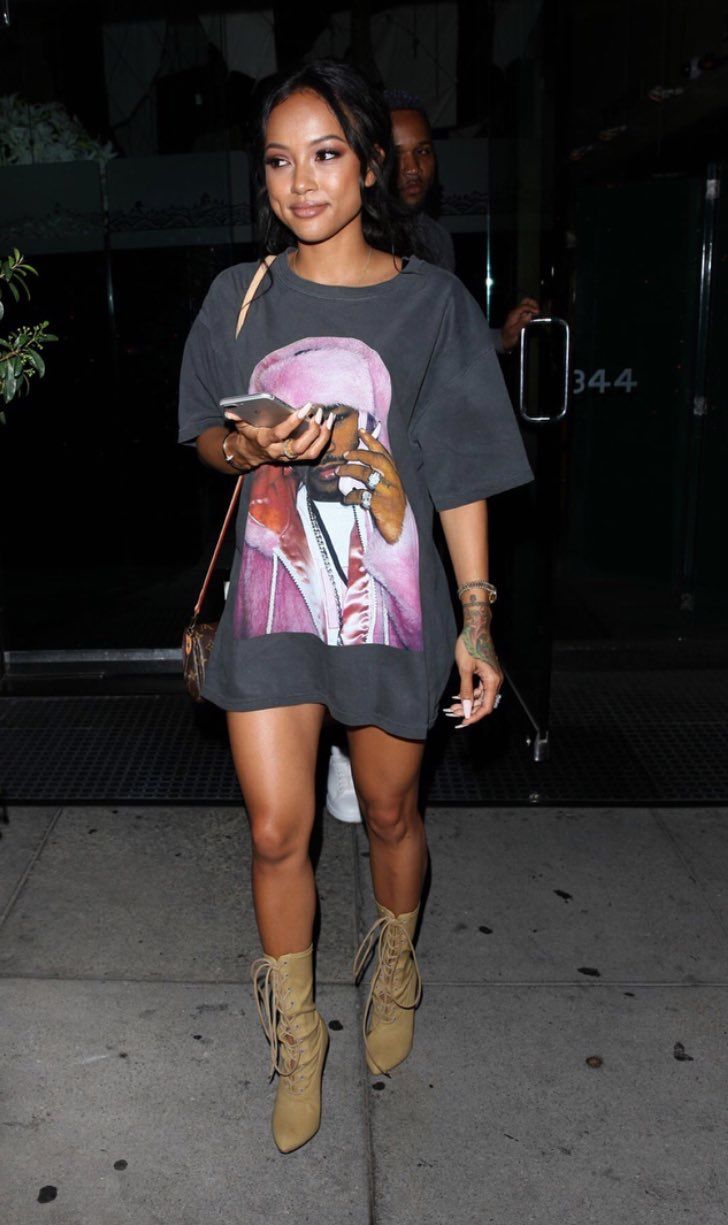
6. Skirt Pairing Mastery
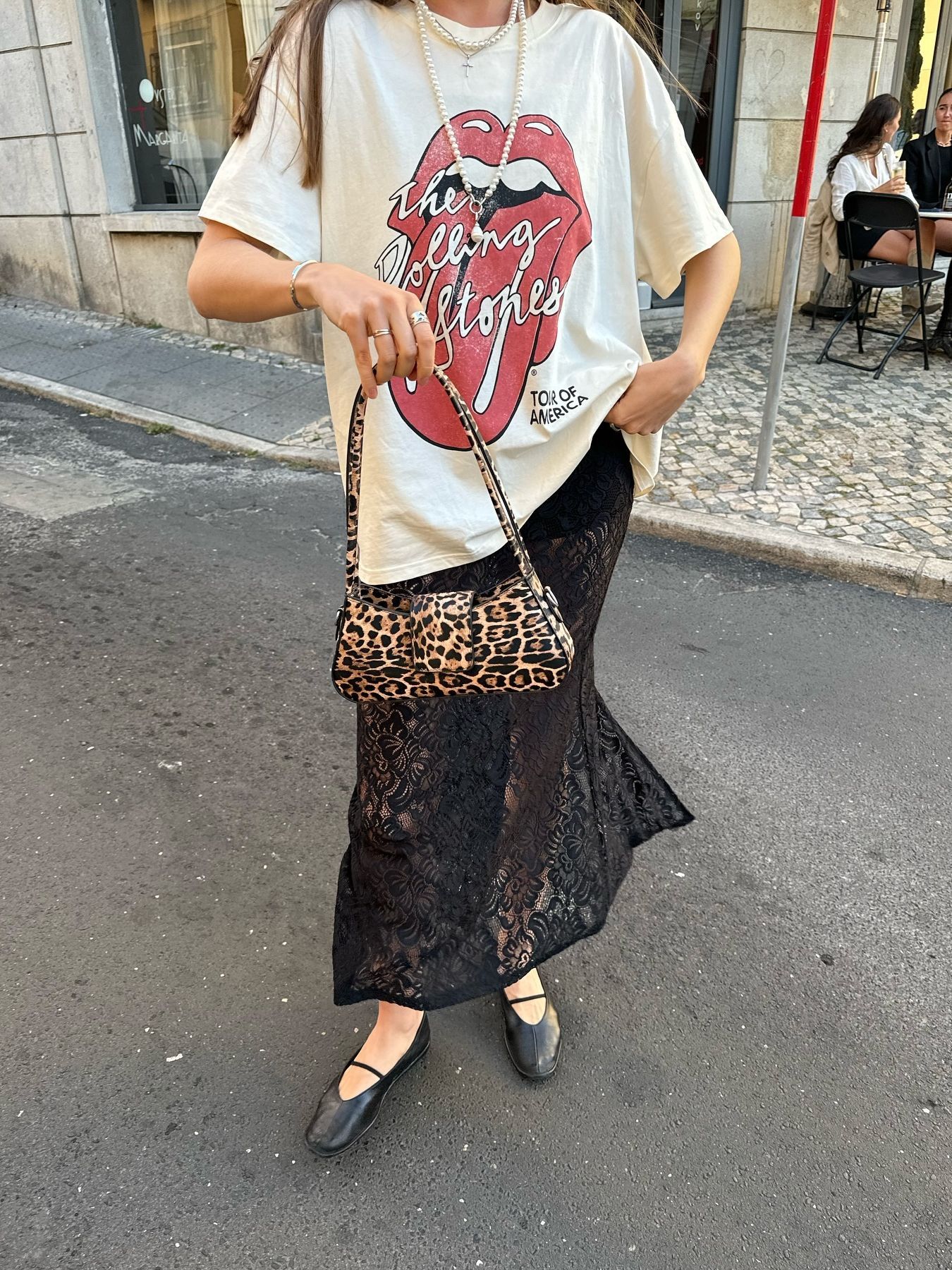
Balance oversized t-shirts with fitted skirts for sophisticated casual looks. Pencil skirts create striking contrast with loose t-shirt volumes, while A-line skirts complement the relaxed aesthetic while maintaining proportional harmony.
Tuck loosely into high-waisted skirts, allowing some fabric to create gentle blousing above the waistband. This technique softens the fitted skirt’s structure while maintaining the oversized t-shirt’s relaxed character.
Experiment with skirt lengths and textures. Mini skirts create playful proportions, while midi lengths offer sophistication. Leather, denim, or structured cotton skirts provide textural contrast that enhances the overall styling complexity.
7. Smart-Casual Integration
Bridge formal and casual dress codes by incorporating oversized t-shirts into tailored ensembles. Layer under structured vests, pair with tailored trousers, or combine with sophisticated accessories that elevate the overall aesthetic.
Choose premium cotton t-shirts with refined details—quality construction, perfect drape, and sophisticated colors support smart-casual integration better than obvious casual pieces.
Balance relaxed and structured elements throughout your ensemble. If your t-shirt provides casual comfort, ensure other pieces—shoes, accessories, outerwear—introduce formal elements that create appropriate dress code balance.
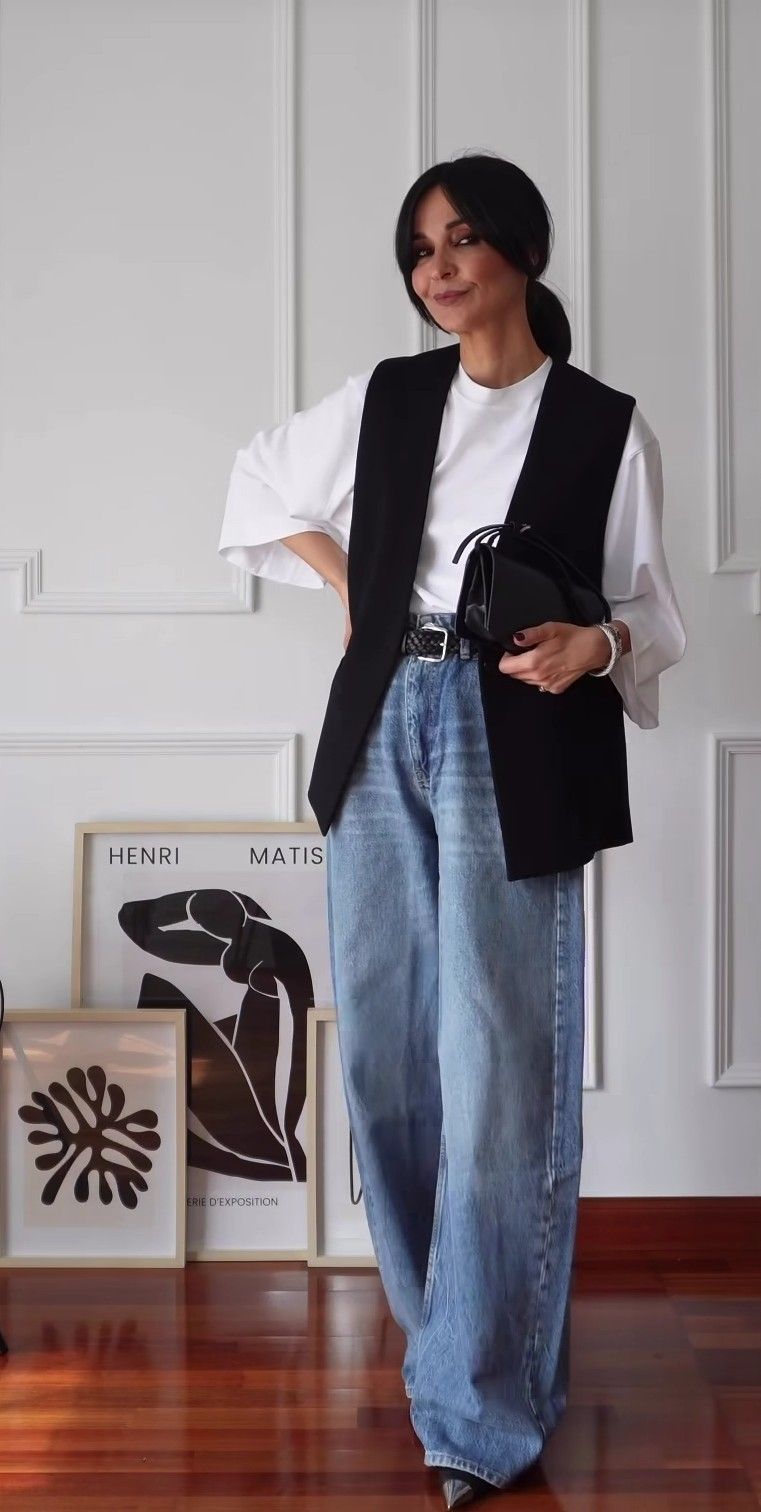
8. Athleisure Optimization
Incorporate oversized t-shirts into athletic-inspired looks through strategic pairing with performance fabrics and sporty accessories. This approach maintains comfort while creating polished presentations suitable for active lifestyles.
Layer over fitted sports bras or tanks for coverage during workouts or casual activities. The oversized layer provides modesty and style while allowing full range of motion for various activities.
Choose performance-adjacent bottoms—leggings, joggers, or athletic shorts that complement the oversized top’s relaxed aesthetic while supporting active lifestyle needs. Complete with clean sneakers and minimal athletic accessories.
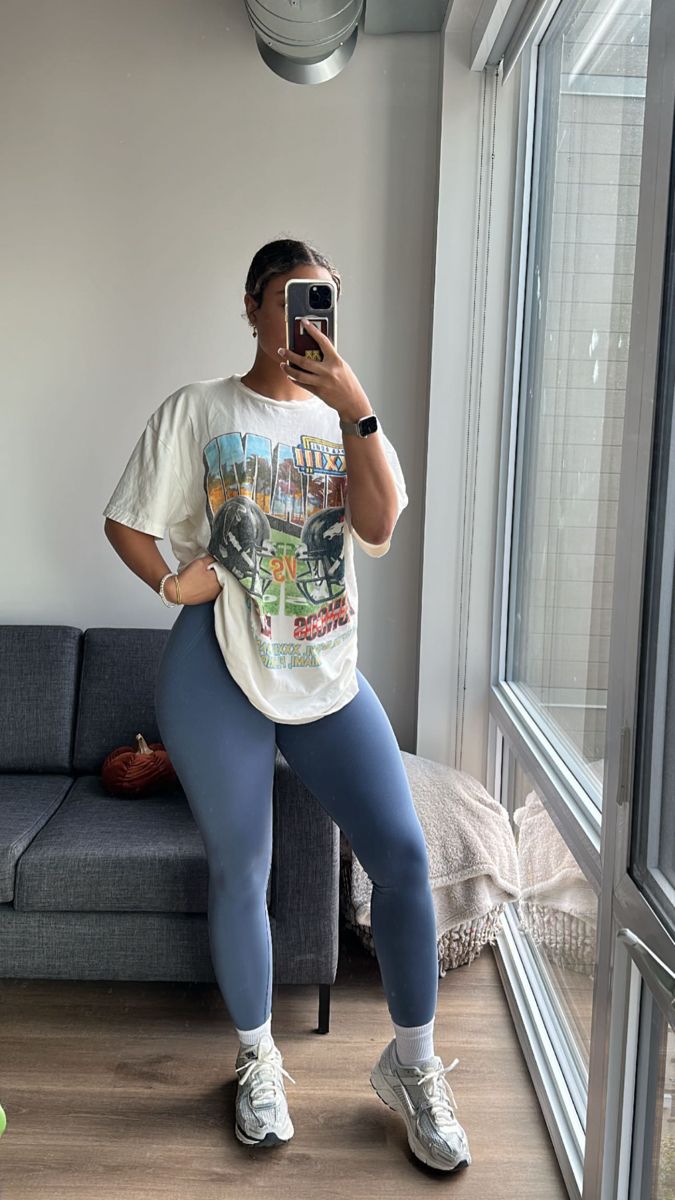
9. Statement Styling Techniques
Create focal points through strategic accessories or styling details that transform oversized t-shirts into statement pieces. This approach uses the t-shirt as a canvas for more dramatic styling expressions.
Layer multiple necklaces of varying lengths to create complex neckline interest. The oversized t-shirt’s simple silhouette provides the perfect backdrop for layered jewelry without overwhelming the overall look.
Incorporate statement belts, bags, or shoes that create visual anchors. These accessories provide structure and interest while allowing the oversized t-shirt to serve as a neutral foundation that supports bold styling choices.
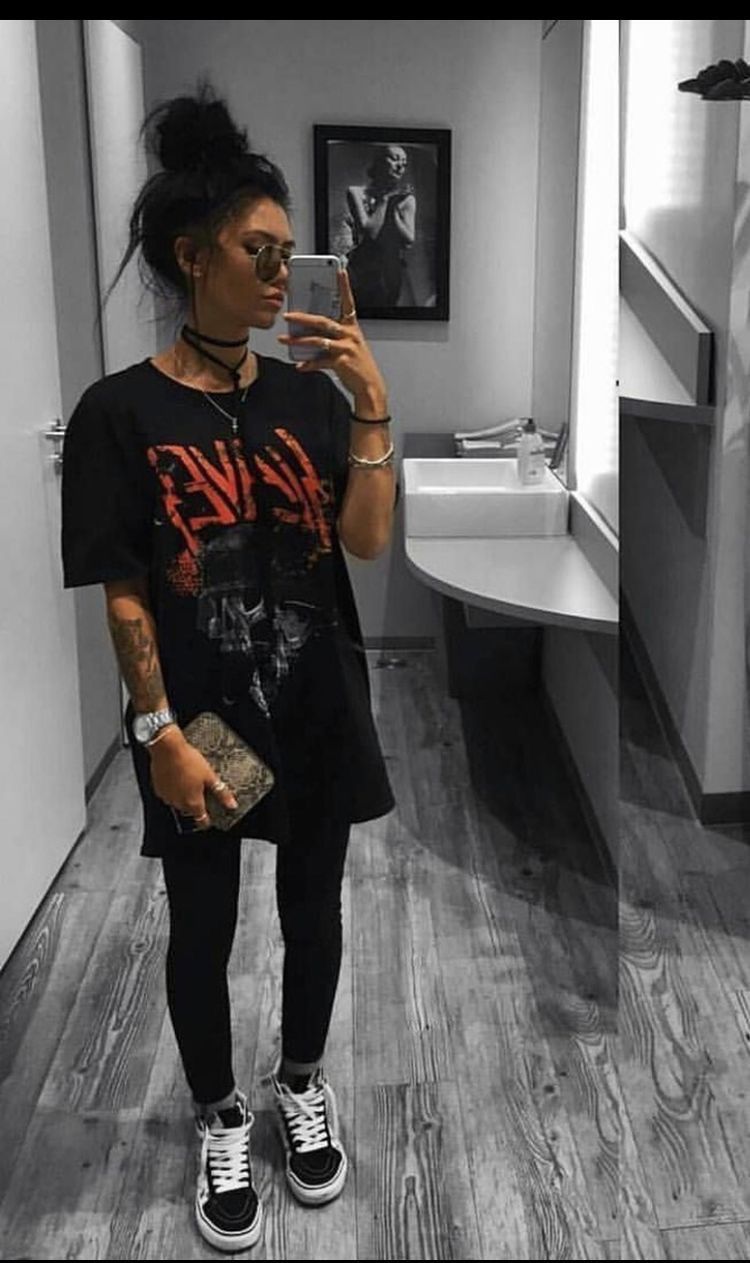
10. Gender-Neutral Approaches
Design looks that transcend traditional gender boundaries through strategic styling that emphasizes silhouette over convention. Oversized t-shirts naturally support gender-neutral styling through their unstructured, universally flattering proportions.
Focus on silhouette creation rather than traditionally gendered styling cues. Structured bottoms, interesting accessories, and architectural layering create sophisticated looks that work across gender expressions.
Choose colors and accessories based on personal style preferences rather than conventional associations. This approach creates authentic self-expression while maintaining sophisticated styling principles.
11. Seasonal Adaptation Methods
Modify oversized t-shirt styling techniques across seasons through strategic layering and accessory choices. Summer styling focuses on breathability and minimal layering, while winter approaches incorporate warming layers without losing proportional balance.
Spring and summer versions emphasize the t-shirt as the primary layer, using minimal accessories and lightweight bottoms that maintain comfort in warmer Weather. Light colors and breathable fabrics enhance seasonal appropriateness.
Fall and winter adaptations layer oversized t-shirts under sweaters, coats, or jackets as foundation pieces that provide comfort and proportion control. This approach maximizes versatility while maintaining seasonal styling relevance.
12. Color-Blocking Strategies
Create visual interest through strategic color combinations that use oversized t-shirts as foundation elements in complex color stories. This technique transforms simple pieces into sophisticated design statements.
Choose oversized t-shirts in neutral tones that support bold color blocking with accessories and bottoms. White, black, or gray t-shirts provide versatile foundations that work with virtually any color combination.
Balance color intensity through strategic placement—bold accessories against neutral t-shirts, or vibrant bottoms paired with subdued tops. This creates dynamic looks while maintaining the oversized t-shirt’s relaxed foundation.
13. Texture Mixing Techniques
Combine different fabric textures to create sophisticated styling complexity using oversized t-shirts as smooth, matte foundation elements. Cotton’s natural texture provides excellent contrast with various materials.
Pair cotton t-shirts with leather accessories, denim bottoms, or knit layering pieces. Each combination creates different textural stories that enhance visual interest while maintaining comfortable wearability.
Consider scale relationships between textures—fine knits complement cotton’s medium texture, while chunky knits create bold contrast. These relationships affect overall styling sophistication and seasonal appropriateness.
14. Accessory Integration
Transform oversized t-shirts through strategic accessory choices that create styling complexity without requiring multiple garment changes. This approach maximizes versatility while minimizing wardrobe requirements.
Layer delicate jewelry against cotton t-shirts for subtle sophistication, or choose bold statement pieces for dramatic style shifts. The t-shirt’s neutral foundation supports both approaches effectively.
Incorporate functional accessories—belts, bags, scarves—that provide styling interest while serving practical purposes. This creates efficient styling solutions that balance aesthetics with lifestyle functionality.
15. Occasion-Specific Styling
Adapt oversized t-shirt looks for specific occasions through strategic styling modifications that maintain comfort while meeting dress code requirements. This versatility makes oversized pieces valuable wardrobe investments.
Casual occasions emphasize comfort and personal expression through relaxed styling approaches that prioritize ease and authenticity. Simple accessories and comfortable bottoms support this aesthetic.
Semi-formal occasions require elevated styling through premium accessories, structured layering, or sophisticated color combinations that maintain the t-shirt’s comfort while meeting elevated dress expectations.
Advanced Styling Techniques for Oversized T-Shirts
Advanced styling techniques focus on creating designer-level sophistication through strategic manipulation of proportions, textures, and construction details. These approaches transform basic oversized pieces into complex fashion statements that demonstrate styling expertise.
Professional stylists employ layering formulas that create architectural interest through strategic volume placement. Multiple layers require careful attention to cumulative bulk, ensuring each addition enhances rather than overwhelms the overall silhouette.
Sophisticated proportion manipulation involves understanding visual weight distribution across the entire ensemble. Advanced practitioners balance not just fitted versus loose elements, but also consider color weight, texture density, and structural complexity in creating harmonious looks.
Complex styling solutions often appear effortless but require careful planning and quality foundation pieces that can withstand manipulation without losing their intended characteristics. Premium construction becomes essential for advanced techniques.
Layering Like a Professional Stylist
Professional layering creates depth through strategic placement of complementary pieces that enhance rather than compete with each other. Start with your oversized t-shirt as the base layer, then add elements that serve specific styling functions.
Consider layer weights carefully—lightweight pieces closer to the body, with heavier elements providing outer structure. This creates natural draping that appears intentional rather than haphazard.
Seasonal layering adapts these principles to climate requirements while maintaining aesthetic sophistication. Summer layering might involve lightweight cardigans or kimonos, while winter approaches incorporate structured coats and warming accessories that support the styling foundation.
Color relationships between layers create visual flow that guides the eye through complex styling arrangements. Tonal layering creates subtle sophistication, while contrasting layers provide bold visual interest.
Creating Designer-Level Looks on Any Budget
Investment piece selection focuses on foundation elements—like quality oversized t-shirts—that support multiple styling variations. Premium basics provide versatility that justifies their cost through repeated use in different contexts.
Styling techniques can elevate affordable pieces through strategic combinations and accessory choices. A well-styled affordable t-shirt can appear more expensive when paired with quality accessories and sophisticated styling approaches.
Quality versus quantity approaches prioritize fewer, better pieces over extensive collections of lower-quality items. This strategy supports both budget consciousness and environmental responsibility while creating more cohesive personal style development.
Cost-per-wear calculations demonstrate the value of quality pieces that maintain their appearance and styling flexibility through repeated use. Premium t-shirts that retain their structure and appearance provide better long-term value than cheaper alternatives.
Common Oversized T-Shirt Styling Mistakes to Avoid
Most styling failures result from misunderstanding proportion relationships or ignoring fabric quality impacts on styling success. Common mistakes include pairing multiple oversized pieces, choosing poor-quality foundation garments, or neglecting the importance of contrast elements.
Size confusion represents the most frequent error—choosing genuinely large sizes rather than intentionally oversized cuts. True oversized pieces maintain deliberate proportional relationships that support styling, while simply large garments lack the structure needed for sophisticated approaches.
Quality shortcuts compromise styling potential. Inferior fabrics lose their drape, colors fade inconsistently, and construction fails under styling stress. These failures make consistent styling results impossible regardless of technique sophistication.
Prevention strategies focus on understanding your proportions, investing in quality foundation pieces, and practicing proportion balance principles consistently across different styling attempts.
The “Too Big” Trap: When Oversized Goes Wrong
Identifying appropriate oversized proportions requires understanding the difference between intentional design and excessive size. Proper oversized fits maintain shoulder structure while adding deliberate volume through the torso and sleeves.
Sizing guidelines suggest oversized pieces should extend 5-12 cm beyond natural shoulder lines, depending on the desired effect and body proportions. Beyond this range, garments appear inappropriately sized rather than fashionably oversized.
Fit adjustment techniques help refine proportions when pieces are slightly larger than optimal. Strategic tucking, belting, or layering can rescue borderline sizing while maintaining styling integrity.
Quality construction supports appropriate oversized fits by maintaining intended proportions through wear and washing. Premium pieces resist distortion that could push sizing from “oversized” into “too large” territory.
Avoiding the Baggy-on-Baggy Mistake
Understanding silhouette balance prevents the common error of pairing multiple loose pieces that create shapeless ensembles. Successful styling requires strategic contrast between fitted and loose elements.
Proportion ratio guidelines suggest maintaining fitted elements in at least 60% of your ensemble when incorporating oversized pieces. This creates sufficient structural anchor points to support deliberate volume elsewhere.
Balance correction techniques help recover from initial proportion mistakes. Adding fitted accessories, adjusting layer arrangements, or introducing structural elements can restore proportion harmony without complete outfit changes.
Visual weight considerations extend beyond simple loose versus fitted calculations to include color intensity, texture complexity, and accessory placement that affect overall silhouette perception.
Oversized T-Shirt Styling by Body Type and Gender
Body-positive styling approaches focus on enhancement and comfort rather than concealment or correction. Oversized t-shirts offer unique opportunities to create flattering silhouettes across diverse body types while maintaining personal style expression.
Inclusive styling recognizes that effective techniques work across gender expressions and body types with strategic modifications that respect individual proportions and preferences. Universal principles provide foundation knowledge that individuals can adapt to their specific needs.
Personalization strategies help individuals develop styling approaches that reflect their lifestyle, aesthetic preferences, and comfort requirements while maintaining sophisticated results that demonstrate styling competence.
Confidence building through successful styling experiences creates positive feedback loops that encourage continued style development and personal expression through clothing choices.
Styling Tips for Different Body Types
Pear-shaped individuals can use oversized t-shirts to balance broader hips through upper body volume, while strategic bottom choices maintain overall proportion harmony. Fitted or structured bottoms provide necessary contrast while honoring the body’s natural proportions.
Apple-shaped figures benefit from oversized t-shirts’ ability to skim the midsection while creating vertical lines through strategic styling choices. Longer lengths and strategic tucking create flattering silhouettes that enhance rather than hide natural curves.
Rectangle-shaped bodies can use oversized pieces to create curves through strategic styling that adds volume and creates waist definition. Belting, tucking, and layering techniques create shape interest while maintaining the oversized piece’s comfort benefits.
Hourglass figures can maintain their natural proportions through strategic styling that preserves waist definition while incorporating oversized pieces’ comfort and versatility benefits.
Gender-Neutral and Masculine Styling Approaches
Unisex styling strategies focus on silhouette creation and proportion balance rather than traditionally gendered styling cues. Oversized t-shirts naturally support gender-neutral approaches through their unstructured, universally flattering design.
Masculine aesthetics can be achieved through strategic accessory choices, color selections, and styling techniques that emphasize structure and minimalism. These approaches work within oversized styling principles while supporting masculine style expression.
Breaking gender stereotype in fashion requires confidence in personal style choices and understanding that sophisticated styling transcends conventional associations. Quality pieces and confident styling create authentic self-expression.
Inclusive fashion benefits everyone by expanding styling possibilities and encouraging personal creativity over conformity to restrictive style rules.
Seasonal Guide: How to Style Oversized T-Shirts Year-Round
Year-round versatility makes oversized t-shirts valuable wardrobe investments that adapt to changing seasons through strategic styling modifications. Understanding seasonal styling strategies maximizes these pieces’ cost-per-wear value while maintaining style relevance.
Climate considerations affect fabric choices, layering strategies, and accessory selections that support comfort while maintaining aesthetic sophistication. Seasonal styling balances practical requirements with fashion considerations.
Transitional styling helps bridge seasonal changes through adaptable approaches that work across temperature variations and changing style preferences. These techniques extend wearing seasons while maintaining appropriate style choices.
Wardrobe efficiency improves through understanding how single pieces can serve multiple seasonal styling needs with appropriate modifications and accessories.
Spring and Summer Styling Strategies
Warm-weather styling emphasizes breathability and minimal layering while maintaining the oversized t-shirt’s styling potential. Lighter colors, natural fabrics, and strategic exposure create seasonally appropriate looks.
Heat management through styling choices includes selecting breathable fabrics, avoiding excessive layering, and choosing light colors that reflect rather than absorb heat. These practical considerations support comfortable wearing in warmer climates.
Minimalist summer approaches focus on the oversized t-shirt as the primary styling element, using simple accessories and streamlined bottoms that create sophisticated looks without overwhelming warmth.
Sun protection integration includes choosing appropriate coverage levels, sun-protective accessories, and styling choices that balance protection needs with aesthetic preferences.
Fall and Winter Layering Mastery
Cold-weather strategies use oversized t-shirts as foundation layers that provide comfortable base elements for complex layering systems. Quality cotton t-shirts serve as excellent insulating layers while maintaining styling flexibility.
Insulating layer approaches consider thermal properties alongside aesthetic requirements. Strategic layering creates warmth while maintaining proportional balance and style sophistication throughout colder seasons.
Maintaining silhouette integrity during bulky weather requires careful attention to cumulative volume and strategic contrast elements that prevent overwhelming ensembles despite necessary warming layers.
Weather protection integration includes outerwear choices that complement rather than compete with underlying styling while providing necessary protection from environmental conditions.
Frequently Asked Questions About Styling Oversized T-Shirts
How do I make an oversized t-shirt look flattering?
Create contrast through fitted bottoms or strategic tucking that defines your waist. Use belts, scarves, or accessories to create focal points that guide the eye and prevent shapeless silhouettes while maintaining comfort.
What size should I buy for the perfect oversized fit?
Choose one to two sizes larger than your typical fit, ensuring shoulders extend 5-7 cm beyond your natural shoulder line. The ideal oversized fit maintains structure while providing deliberate volume through the torso area.
Can oversized t-shirts work for professional settings?
Yes, through strategic layering with blazers, cardigans, or structured pieces that create professional silhouettes. Choose neutral colors and quality fabrics that support elevated styling while maintaining workplace appropriateness.
How do I style an oversized t-shirt if I’m petite?
Focus on proportion balance through strategic tucking, high-waisted bottoms, and vertical lines that elongate your silhouette. Avoid overwhelming volume by maintaining fitted elements in complementary pieces.
What’s the difference between oversized and just too big?
Oversized pieces maintain intentional design proportions with structural elements that support styling, while simply large garments lack the architectural qualities needed for sophisticated styling approaches.
How do I care for quality oversized t-shirts?
Wash in cool water with gentle cycles, reshape while damp, and air dry when possible. Quality cotton maintains its structure better with proper care that preserves fabric integrity and styling potential.
Can men and women use the same styling techniques?
Absolutely. Effective oversized styling focuses on proportion balance and silhouette creation that transcends gender boundaries. Adapt techniques based on personal style preferences rather than conventional gender associations.
What accessories work best with oversized t-shirts?
Structured accessories like belts, statement jewelry, and quality bags create visual anchors that complement oversized pieces. Choose accessories that provide contrast and define focal points within your overall styling approach.
Quality Matters: Choosing the Right Oversized T-Shirt for Styling Success
Foundation piece selection determines styling success across all techniques and seasonal applications. Quality construction, appropriate fabric weight, and thoughtful design details create the foundation necessary for sophisticated styling results.
Fabric specifications matter enormously in oversized styling. Cotton weighing 250-280gsm provides optimal balance between structure and drape, maintaining intended proportions through styling manipulation and repeated wear cycles.
Construction quality affects styling longevity directly. Reinforced seams withstand tucking and belting stress, while quality finishing details maintain professional appearance across diverse styling applications.
Investment piece approaches recognize that quality oversized t-shirts serve multiple styling functions, providing better cost-per-wear value than cheaper alternatives that fail to maintain their styling potential over time.
Fabric Weight and Construction: The Foundation of Great Styling
GSM fabric weight significance extends beyond immediate comfort to long-term styling performance. The 250-280gsm range provides sufficient structure for architectural styling while maintaining the comfortable drape essential for oversized pieces.
Construction quality indicators include double-stitched seams, pre-shrunk fabric treatment, and reinforced stress points that withstand regular styling manipulation. These details distinguish investment pieces from basic alternatives.
Styling longevity depends heavily on construction quality that maintains intended proportions through countless styling cycles. Premium construction supports consistent results while cheaper alternatives degrade quickly under styling stress.
Value assessment should consider cost-per-styling-application rather than simple initial price. Quality pieces that support diverse styling approaches provide superior value through extended use and consistent performance.
Sustainability and Style: The 2025 Connection
Sustainable fashion importance continues growing as consumers recognize the environmental impact of clothing choices. Quality oversized pieces that serve multiple styling functions support sustainable consumption patterns.
Environmental impact considerations favor quality pieces that last longer and serve multiple purposes over fast fashion alternatives that require frequent replacement. This approach aligns environmental responsibility with style sophistication.
Ethical production factors increasingly influence purchase decisions as consumers seek transparency in manufacturing processes. Brands that prioritize ethical production while maintaining quality standards serve conscious consumers effectively.
The connection between individual styling choices and broader fashion values creates opportunities for personal expression that aligns with environmental and social responsibility, making quality oversized pieces both stylish and meaningful wardrobe investments.

At Awcaseus, we create more than t-shirts — we craft statements. Inspired by urban stillness and modern philosophy, our pieces combine premium fabrics, structured fits, and abstract graphics. Every design is a reflection of thought, identity, and quiet confidence. Awcaseus is where fashion becomes a voice — and you wear the future.
Related posts:
 Master the T-Shirt Over Hoodie Trend: 25+ Styling Tips for 2025
 Skirt with T-Shirt: 27 Expert Ways to Master 2025’s Most Versatile Look
 Guy in White T Shirt: The Ultimate Guide to Style, Meaning & Trends
 Master the T Shirt Over Long Sleeve Trend: Ultimate 2025 Style Guide
 Mastering Jeans and a T-Shirt: Styling Secrets for Every Occasion
 Pant and T Shirt: 25+ Stylish Combos and Expert Tips for 2025