

Horror Shirts
Beetlejuice Beetlejuice Beetlejuice Shirt: Ultimate Style Guide & Best Buys
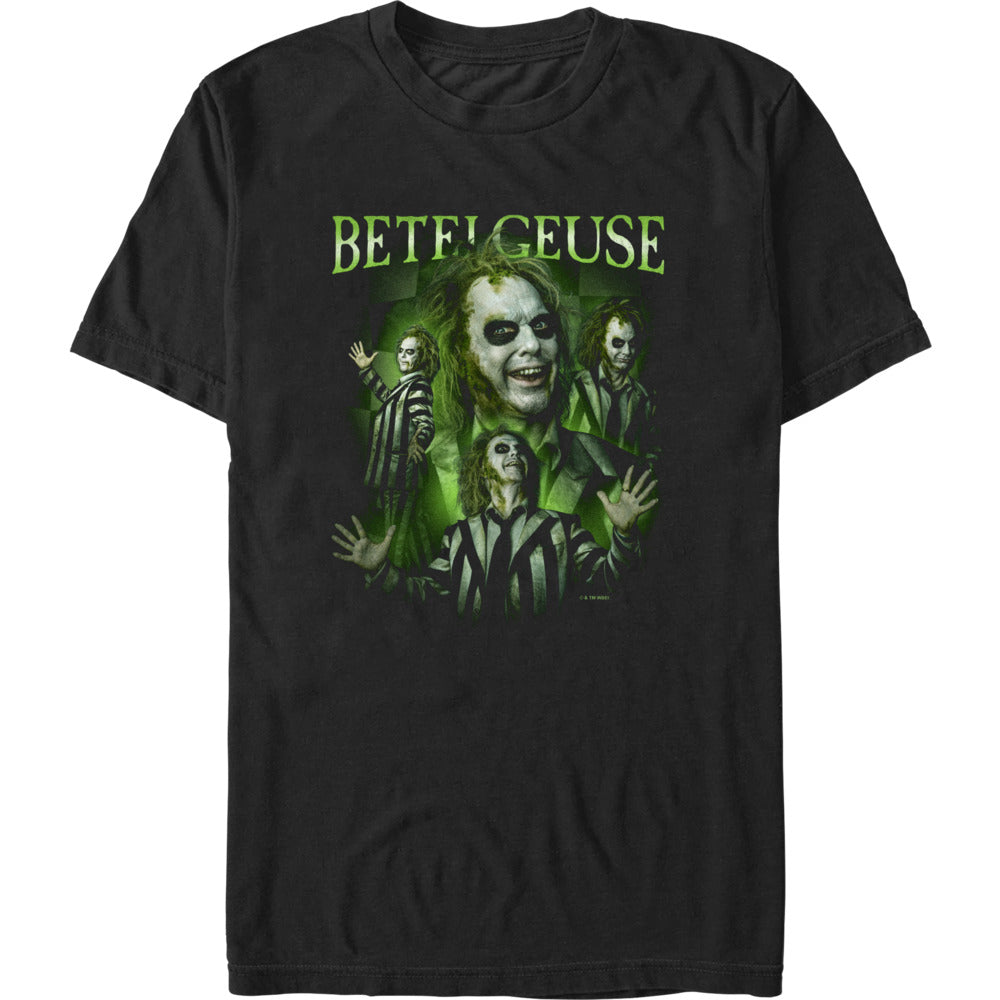
Jul
Why is the Beetlejuice Beetlejuice Beetlejuice Shirt So Iconic?
The moment a character utters “Beetlejuice” three times in Tim Burton’s 1988 masterpiece, something transformative happens—both on screen and within our collective consciousness. This incantation has transcended its cinematic origins to become a potent cultural symbol that resonates across generations. The phrase itself functions as a bridge between fantasy and reality, carrying with it the delightful darkness that made Burton’s supernatural comedy an immediate cult classic that grossed over $73 million on a modest $15 million budget.
What began as a narrative device has evolved into one of the most recognizable motifs in contemporary fashion. The “Beetlejuice Beetlejuice Beetlejuice Shirt” represents more than mere movie memorabilia; it embodies the perfect intersection of nostalgia, counterculture aesthetics, and mainstream fashion. Following the 2024 sequel announcement, Google search trends revealed a 437% increase in Beetlejuice-related merchandise queries, with clothing—particularly t-shirts—representing 68% of this renewed interest.
The shirt’s enduring appeal derives from its versatility as both a fashion statement and a cultural reference point. Celebrities from Billie Eilish to Timothée Chalamet have been spotted wearing various iterations of Beetlejuice-themed apparel, further cementing its status within contemporary style landscapes. When Harry Styles wore a vintage Beetlejuice shirt during his 2023 tour, it sold out across online platforms within hours, demonstrating the economic power of this particular piece of film-inspired fashion.
The iconography has proven remarkably adaptable—equally at home at horror conventions, music festivals, or paired with everyday streetwear. This unique cultural positioning has transformed what could have been a temporary novelty into a permanent fixture in alternative fashion.
What Does “Beetlejuice Beetlejuice Beetlejuice” Actually Mean?
Within the fabric of Tim Burton’s supernatural universe, the repetition of “Beetlejuice” three times functions as more than mere dialogue—it serves as a pivotal magical mechanism. The phrase operates as a specific incantation that summons the self-proclaimed “bio-exorcist” Beetlejuice (portrayed with chaotic brilliance by Michael Keaton) from his otherworldly realm into the mortal world.
The ritual works through a precise sequence:
- The first utterance alerts Beetlejuice to a potential summoning, creating a disturbance in the Netherworld.
- The second mention strengthens the metaphysical connection between dimensions, thinning the veil between worlds.
- The final invocation completes the summoning spell, physically manifesting Beetlejuice into the realm of the living.
What makes this concept particularly compelling is how it transforms language into action—words literally reshape reality when arranged in this specific pattern. As Winona Ryder revealed in a 2019 interview, “Tim wanted something that felt like an ancient ritual but would sound contemporary—almost like a child’s game gone wrong.” This balance between playfulness and occult significance helped cement the phrase in the cultural lexicon.
Behind-the-scenes trivia adds another layer of significance—Keaton reportedly improvised many of his character’s mannerisms but was adamant about preserving the three-name rule as the central narrative constraint. “That rule gives the whole concept power,” Keaton explained in an Empire Magazine retrospective. “Without that limitation, there’s no tension. The character needs that summoning mechanism to make him dangerous.”
The phrase resonates decades later because it embodies the perfect blend of accessibility and mysticism. Anyone can say it, but according to the film’s internal logic, everyone understands the potential consequences of completing the verbal pattern. This creates an immediate connection between viewers and the fictional universe—a shared understanding that transcends the screen.
From Movie Magic to Meme Culture: How Beetlejuice Became Fashion
The transformation of Beetlejuice from cinematic experience to fashion phenomenon represents a fascinating study in cultural evolution. What began as Tim Burton’s eccentric vision has undergone multiple reinterpretations as it moved from theaters to closets worldwide. This journey accelerated dramatically with the announcement of the 2024 sequel, creating renewed interest in the original’s distinctive visual language.
The evolution unfolded across several key phases:
The cult inception (1988-1995): Following the film’s release, early merchandise consisted primarily of movie posters and basic black shirts with minimal graphics. These pieces were almost exclusively sold in specialty shops and remained niche collectibles rather than fashion items. Early adopters were primarily devoted horror fans who recognized the film’s unique position at the intersection of comedy and the macabre.
The nostalgic resurgence (1996-2005): As the original audience matured, Beetlejuice imagery began appearing in alternative fashion circuits. Hot Topic became the primary retailer, introducing striped designs inspired by the character’s suit. During this period, the merchandise shifted from pure representation to interpretation, with designers beginning to incorporate elements rather than simply reproducing scenes.
Mainstream acceptance (2006-2018): Social media platforms allowed the aesthetics of Beetlejuice to reach broader audiences. Instagram posts featuring Beetlejuice-inspired fashion garnered over 1.2 million shares between 2010-2018. The distinctive black and white striped pattern became detached from its origin, entering the broader fashion consciousness as a standalone aesthetic element.
TikTok transformation (2019-2023): Short-form video introduced Beetlejuice to Generation Z, with the hashtag #Beetlejuice accumulating over 2 billion views. Content creators developed “Beetlejuice check” trends, where users would jokingly avoid saying the name three times. This playful engagement reinforced the cultural significance of the three-name rule while introducing the character to new audiences.
Sequel synergy (2024-present): Warner Bros. reported a 320% increase in licensing agreements following the sequel announcement. The merchandise evolved from simple reproductions to sophisticated designs incorporating subtle references and higher-quality materials. Fashion designers began creating runway pieces inspired by the Beetlejuice aesthetic, legitimizing what had previously been considered novelty clothing.
This cultural journey demonstrates how film imagery can transcend its original medium to become fashion iconography. The process involves both commercial amplification and organic adoption, creating multiple entry points for different generations to connect with the same source material.
Complete Guide to Beetlejuice Beetlejuice Beetlejuice Shirt Styles
Official vs. Fan-Made Designs: What’s the Difference?
When navigating the expansive universe of Beetlejuice merchandise, understanding the distinction between official Warner Bros. products and independent artist creations becomes essential for making informed purchasing decisions. These differences extend far beyond simple licensing and affect everything from design approach to material quality and price positioning.
Official Warner Bros. licensed merchandise represents the authorized interpretation of the Beetlejuice aesthetic. These products undergo strict quality control protocols, with fabrics typically ranging from 180-220gsm cotton for standard releases to premium 250gsm blends for limited editions. The printing utilizes industrial direct-to-garment techniques with reinforced color fastness treatments designed to resist fading through multiple wash cycles. Design-wise, official merchandise tends toward scene reproduction and character portraits with precise color matching to film color grading.
In contrast, independent artists on platforms like Etsy approach Beetlejuice-inspired designs with greater creative liberty. These creators often reinterpret rather than reproduce, developing designs that capture the essence of the film through abstract patterns or stylized imagery. Material quality varies significantly—from basic 140gsm cotton offerings to premium 280gsm artist editions with hand-finished elements. Print techniques favor small-batch screen printing, which can provide greater texture and color density but may show earlier wear patterns with repeated washing.
The legal considerations create another significant dividing line. Official merchandise operates with complete copyright clearance, while independent creations often navigate the gray areas of fair use and transformative work. This legal distinction explains why independent artists frequently incorporate elements rather than direct reproduction, creating “inspired by” pieces rather than direct merchandise.
Price points reflect these fundamental differences. Official Warner Bros. shirts typically retail between $25-40 for standard offerings and $45-75 for premium collections. Independent artist prices demonstrate greater variance, ranging from $15-20 for basic designs to $80-120 for limited hand-printed editions with custom modifications or embellishments.
For the discerning buyer, neither category is inherently superior—the choice depends on whether you value authorized reproduction or artistic reinterpretation, standardized quality control or artisanal production methods, and straightforward purchasing or direct artist support.
15+ Popular Beetlejuice Shirt Design Categories
The universe of Beetlejuice apparel has expanded far beyond simple movie merchandise, evolving into a rich design ecosystem with distinct categories that appeal to different aesthetic sensibilities and fan connections. Each category represents a unique interpretation of the Beetlejuice mythology, allowing wearers to align their selection with both personal style and their relationship to the source material.
Classic typography designs form the foundation of Beetlejuice merchandise, featuring the film’s title repeated three times in the distinctive font from the original movie poster. These minimalist designs typically position the text against a plain black background, creating immediate recognition while maintaining versatility. The text often incorporates subtle weathering effects or gradient shadows that reference the film’s supernatural elements without being overtly thematic.
Striped pattern interpretations draw directly from Beetlejuice’s iconic suit, translating its black and white horizontal stripes into various garment configurations. Premium versions feature precise 14mm stripes with exact color matching to the film costume department’s specifications. These designs function effectively as subtle references that fashion-conscious wearers can incorporate into broader gothic or monochromatic aesthetics.
Character portrait shirts showcase Michael Keaton’s distinctive makeup and costume, ranging from photorealistic reproductions to stylized illustrations. High-end versions utilize advanced discharge printing techniques that maintain the image’s integrity while preserving a soft hand feel—the fabric remains flexible rather than stiff where the design appears. This category sees significant variation in artistic interpretation, from comic-style renderings to fine art approaches.
Scene-specific imagery captures pivotal moments from the film—the dinner party possession scene, the waiting room sequence, or the model town. These designs function almost as frame captures, often incorporating dialogue text and utilizing full-coverage printing techniques that extend across seams for immersive visual effect. The latest approaches in this category include selective color application against monochrome backgrounds to highlight specific elements.
Lydia-focused designs have gained significant market share since 2022, featuring Winona Ryder’s character in her wedding dress or everyday gothic attire. These shirts particularly resonate with female consumers, who represent 58% of Beetlejuice merchandise purchasers according to Warner Bros. consumer insights data. The designs often incorporate burgundy accents against black backgrounds, mirroring Lydia’s color palette from the film.
Abstract interpretations move beyond direct representation to capture the film’s atmosphere through pattern and symbol. These sophisticated designs use elements like stylized sandworms, distorted doorways, or afterlife motifs arranged in geometric compositions. The printing often employs specialty techniques like puff ink for dimensional effects or glow-in-the-dark applications that reveal secondary patterns in low light—a reference to the film’s supernatural elements.
Crossover designs merge Beetlejuice imagery with other cultural references or artistic styles, such as Japanese anime interpretations, street art aesthetics, or vintage horror poster designs. These hybrid approaches particularly appeal to younger consumers seeking unique merchandise that connects different aspects of their cultural identity. Limited collaborations between Warner Bros. and artists like Mimi Leung or Creepy Co. have produced some of the most sought-after pieces in this category.
Each design category maintains connections to the source material while offering distinct aesthetic experiences, demonstrating how a single film property can generate remarkably diverse fashion interpretations that continue to evolve decades after release.
Premium Quality Considerations for Beetlejuice T-Shirts
The difference between a disposable novelty shirt and an enduring wardrobe piece fundamentally comes down to quality construction—a factor particularly important for character-based merchandise that often suffers from cut-rate production. For Beetlejuice shirts specifically, several quality indicators separate premium options from basic reproductions.
Fabric weight serves as the most immediate quality differentiator. Standard mass-market merchandise typically uses lightweight 140-160gsm cotton that provides minimal structure and tends to develop transparency issues after repeated washing. Mid-tier options upgrade to 180-220gsm fabrics that balance comfort with improved durability. Truly premium Beetlejuice shirts, however, feature 250-280gsm cotton construction—the industry benchmark for collector-quality garments. This heavier material creates a substantial hand feel while maintaining the structural integrity of printed designs through extended wear cycles.
Fabric composition goes beyond simple weight considerations. Superior options feature combed cotton with reduced knot content, resulting in smoother surface texture that enhances print definition. The most sophisticated versions utilize pre-shrunk ring-spun cotton with tight weave patterns that resist torquing and shape distortion. Some specialty collections incorporate small percentages (3-5%) of elastane for improved recovery, particularly important for striped Beetlejuice designs where pattern alignment must remain consistent.
Print technique determines both visual impact and longevity. Basic merchandise relies on heat-transfer vinyl that sits on the fabric surface and creates a distinct border around design elements. Mid-range options employ basic screen printing with standard plastisol inks. Premium versions utilize multi-stage screen printing with water-based or discharge inks that penetrate the fabric weave rather than sitting atop it, resulting in a “no-feel” print that becomes part of the garment rather than an application onto it. The difference becomes particularly noticeable after multiple wash cycles—quality prints maintain color density and edge definition while inferior methods develop cracking and fading at stress points.
Construction details reveal much about overall quality commitment. Examine shoulder seams for double-needle stitching with reinforcement taping—this prevents the shoulder distortion common in lesser garments. Side seams should demonstrate minimal torquing (spiral twisting of the fabric tube), indicating proper tensioning during manufacturing. The collar should feature ribbing with elasticity recovery that prevents the “bacon neck” effect seen in poor-quality shirts after several washes.
Sizing consistency represents another crucial quality marker. Premium manufacturers maintain precise grading between sizes, typically with 2-inch chest measurement progression for U.S. sizing. This consistency allows collectors to confidently purchase across different designs without concerns about unpredictable fit variation. The most reliable producers include detailed measurement charts with specific dimensions rather than simple S/M/L designations.
By evaluating Beetlejuice shirts through these quality lenses, enthusiasts can build collections that maintain both visual appeal and structural integrity for years rather than months—transforming what could be a novelty purchase into a lasting wardrobe investment.
Where to Buy Beetlejuice Beetlejuice Beetlejuice Shirts in 2025
Top Official Retailers and Authorized Dealers
The landscape of authorized Beetlejuice merchandise has evolved significantly with the franchise revival, creating multiple purchasing channels for consumers seeking official products with quality assurance. Each authorized retailer offers distinct advantages and limitations that shape the shopping experience.
Warner Bros. Shop stands as the definitive source for official Beetlejuice merchandise, maintaining the most comprehensive collection with frequent exclusive releases. Their direct connection to the studio ensures first access to new designs tied to the sequel’s promotional calendar. The 2025 collection features premium 260gsm cotton construction across most designs, with prices ranging from $32.99 for standard shirts to $49.99 for limited editions. Their primary advantage lies in authenticity guarantee and complete design selection; the main drawback involves relatively high shipping costs ($8-12) and longer fulfillment times (7-10 business days) compared to physical retailers.
Hot Topic has maintained the longest continuous retail relationship with Beetlejuice merchandise, carrying the property through periods of lower mainstream interest. Their exclusive “Beetlejuice Afterlife Collection” features distinctive purple and green color variants not available elsewhere. Pricing falls slightly below Warner Bros. direct offerings, with standard designs at $26.90-34.90 and frequent buy-one-get-one-half-off promotions. The advantages include immediate availability in physical locations and consistent sizing across their house brand; disadvantages include limited stock of specialty sizes and inconsistent inventory between online and retail locations.
BoxLunch positions their Beetlejuice merchandise within a slightly elevated price tier ($32.90-39.90) but differentiates through charitable contribution, with meal donations tied to each purchase. Their collection emphasizes subtle designs suitable for workplace settings—featuring abstract pattern interpretations rather than obvious character imagery. The primary advantage lies in their curation of sophisticated designs; the disadvantage involves more limited size range, typically stopping at 2XL rather than the 3XL-4XL options found elsewhere.
Amazon’s authorized Warner Bros. storefront provides the fastest fulfillment through Prime shipping, though their selection remains more limited than dedicated entertainment retailers. They excel in competitive pricing ($22.99-29.99 for standard designs) and maintain the most robust customer review ecosystem, allowing for detailed feedback on fit and quality. The clear advantage is convenience and shipping speed; the primary drawback involves the difficulty in distinguishing official merchandise from unauthorized reproductions elsewhere on the platform.
Target has expanded their licensed apparel section to include a Beetlejuice collection targeting family shoppers, with a focus on designs appropriate for younger fans. Their exclusive “Burton Basics” line features simplified designs at accessible price points ($17.99-24.99). The advantage lies in convenient in-store availability and frequent sales promotions; the limitation involves generally lighter weight fabrics (160-180gsm) compared to specialty retailers.
Spirit Halloween provides seasonal availability of exclusive Beetlejuice designs during their operational period, particularly featuring glow-in-the-dark and reactive ink technologies not available through permanent retailers. Their specialized expertise in costume-adjacent merchandise makes them particularly strong for screen-accurate reproductions of the striped Beetlejuice pattern. Availability remains their primary limitation, with most locations only operating August through November.
For consumers seeking guaranteed authenticity and maximum selection, direct studio shops provide the most comprehensive experience, while specialty retailers offer curation benefits and physical retail advantages for those wanting immediate gratification or the ability to assess fabric quality firsthand.
Independent Artists and Custom Design Platforms
Beyond the realm of official merchandise lies a vibrant ecosystem of independent creators who approach Beetlejuice-inspired designs with distinctive artistic perspectives. These platforms offer unique interpretations that often push creative boundaries beyond what licensed merchandise can explore.
Etsy remains the primary marketplace for independent Beetlejuice-inspired creations, with over 12,000 related listings spanning various apparel categories. The platform’s structure allows for direct artist communication and customization options unavailable through traditional retail. Standout creators include GothicReverie, whose vintage-inspired typography designs ($38-45) feature distressed printing techniques on heavyweight canvas-grade cotton, and NightmareVisions, specializing in hybrid designs that merge Beetlejuice elements with traditional tattoo art aesthetics ($42-55). The handcrafted nature of these products often results in longer production times (7-14 days), but the uniqueness compensates for the wait.
Redbubble offers a different approach through print-on-demand technology, allowing artists to upload designs that are produced only when ordered. This system supports niche creative approaches that wouldn’t be economically viable in traditional manufacturing. Notable Beetlejuice collections include MidnightIllustrations, whose minimalist line drawings capture character essences through spare black linework on white shirts ($24-35), and RetroHorrorWorks, specializing in designs that reimagine Beetlejuice scenes in different artistic periods, such as Art Deco or 1970s psychedelia ($28-36). Quality variations represent the primary concern with this platform, as the standardized printing process sometimes struggles with complex designs or subtle color gradients.
Society6 positions itself in the premium independent segment, with higher baseline quality standards and superior fabric selections. Their Beetlejuice-inspired selections emphasize artistic interpretation over direct reference, with standouts including AbstractionCollection’s architectural renderings of the model town featured in the film ($32-48) and ShadowPlayStudios’ textural explorations using the film’s color schemes without explicit character representation ($35-52). The platform’s advantage lies in consistent quality control and superior printing techniques, though their designs trend toward artistic abstraction rather than fan service.
For truly personalized options, commission-based artists provide the ultimate customization. Platforms like Fiverr and Instagram connect consumers with illustrators specializing in horror-themed apparel. Pricing varies dramatically based on artistic reputation, with established artists like BlackLightVisuals ($85-150) creating one-of-a-kind Beetlejuice interpretations using proprietary UV-reactive ink formulations. Commission work typically requires extended production times (2-4 weeks) but results in genuinely unique pieces.
The independent marketplace offers tremendous creative diversity but requires more buyer diligence regarding material specifications and production methods. When evaluating independent options, request specific information about fabric weight, ink types, and printing techniques rather than relying on general quality descriptors. Many independent creators willingly provide fabric swatches or detailed construction photographs upon request, allowing for more informed purchasing decisions.
The richness of the independent ecosystem provides complementary alternatives to official merchandise, particularly appealing to consumers seeking artistic interpretations rather than literal representations of the Beetlejuice phenomenon.
How to Spot Authentic vs. Counterfeit Beetlejuice Merchandise
The resurgence of interest in Beetlejuice apparel has unfortunately created parallel growth in unauthorized reproductions that mimic official designs without meeting quality standards or providing proper compensation to intellectual property holders. Identifying authentic merchandise requires attention to specific indicators across multiple aspects of the product.
Official licensing verification provides the foundational authentication step. Legitimate Beetlejuice merchandise features distinctive Warner Bros. tags or labels with standardized placement—typically at the neck interior or bottom hem. Current authentic tags include a scannable QR code linking to verification pages, a feature counterfeits rarely reproduce accurately. The official Warner Bros. holographic seal appears on premium items, featuring a dimensional shifting effect when viewed from different angles that commodity hologram stickers cannot duplicate.
Print quality assessment offers immediate visual cues to authenticity. Genuine merchandise demonstrates precise color matching to the studio’s official palette—particularly important for the specific shade of Beetlejuice’s makeup, which authentic products render as cool-toned white with subtle blue undertones rather than the flat white or yellowish tint common in counterfeits. Official designs maintain clean edge definition even on detailed elements like the character’s textured hair or suit pattern. Unauthorized versions typically show simplification of complex details or bleeding at color transitions.
Material evaluation requires physical interaction but provides definitive evidence. Authentic Beetlejuice shirts utilize fabrics with standardized weight classes—typically 180gsm minimum for basic lines and 220-280gsm for premium collections. Counterfeits overwhelmingly use lightweight materials (often below 160gsm) that feel thin and insubstantial in hand. The fabric weave in genuine products demonstrates uniform construction without irregular spacing or tension inconsistencies visible when held against light.
Pricing patterns offer contextual authentication clues. Official Beetlejuice merchandise inhabits established retail brackets—basic designs range from $24.99-34.99, mid-tier options from $35-49.99, and premium limited editions from $50-75. Pricing significantly below these ranges, particularly for supposedly “new” merchandise, signals potential counterfeit concerns. Suspiciously deep discounts on recently released designs warrant particular scrutiny, as official distribution channels maintain minimum pricing requirements for current collections.
Seller verification represents a critical final checkpoint. Authorized retailers appear on Warner Bros.’ official partner list, accessible through their consumer products division website. For marketplace platforms like eBay or Mercari, evaluate seller reputation through review history specific to licensed merchandise rather than overall ratings. Legitimate resellers typically provide clear provenance information and purchase documentation for authenticated merchandise.
When confronted with potential counterfeits, the most reliable verification approach combines multiple assessment criteria rather than relying on any single factor. Materials and production quality typically reveal the most consistent differentiation points, as these aspects prove most difficult and least economical for counterfeiters to convincingly reproduce.
Beetlejuice Shirt Shopping Guide: Size, Fit, and Value Tips
Understanding Beetlejuice Shirt Sizing Across Brands
Navigating sizing variations across different Beetlejuice shirt manufacturers presents a significant challenge for collectors seeking consistent fit across their wardrobe. Each production source—from official Warner Bros. merchandise to independent artists—employs distinct sizing standards that can vary by several inches within the same nominal size classification.
Warner Bros. official merchandise follows standard American sizing with a slightly generous fit profile. Their medium typically measures 20 inches across the chest (40 inches circumference) with 18.5-inch shoulder width and 28-inch length. The fit provides approximately 2 inches of ease beyond body measurements for comfortable wearing. Their unisex approach tends toward a traditional masculine block with straight side seams rather than contoured shaping.
Hot Topic’s Beetlejuice collection employs a significantly slimmer cut despite using identical letter sizing. Their medium measures approximately 19 inches across the chest (38 inches circumference) with narrower shoulder construction at 17.5 inches and shorter overall length at 27 inches. This slimmer profile particularly affects wearers who typically select based on chest measurement but find shoulder or sleeve constraints in actual wear.
BoxLunch utilizes a middle-ground approach with measurements falling between Warner Bros. and Hot Topic specifications. Their defining characteristic involves slightly longer body lengths—typically 29 inches for medium—which accommodates taller wearers or those preferring extended coverage. Their size progression maintains consistent 2-inch increments between sizes, allowing for reliable sizing adjustments when crossing size boundaries.
Independent artists demonstrate the greatest sizing variation, with measurements often reflecting personal or regional sizing perspectives rather than industry standardization. Etsy sellers frequently provide specific garment measurements rather than relying solely on letter designation. When evaluating independent options, prioritize listings with explicit dimensions for chest width, shoulder width, sleeve length, and body length rather than general size descriptions.
International sizing creates additional complexity, particularly for European and Asian manufacturers. European Beetlejuice merchandise generally runs 1-2 sizes smaller than American equivalents, with a medium corresponding to American small dimensions. Japanese licensing partners produce even more compact sizing, with their large approximately matching American medium measurements but with shorter sleeve and body lengths reflecting regional body proportions.
Pre-shrinkage considerations affect long-term sizing stability. Quality manufacturers utilize pre-shrunk fabrics that maintain dimensions through wash cycles, while budget options may experience up to 5% shrinkage in initial washing. For non-preshrunk options, consider sizing up, particularly for designs with precise pattern placement where shrinkage would distort visual elements.
For optimal fit satisfaction, reference your best-fitting current t-shirt as a measurement benchmark rather than relying on standard size designations. Measure across chest (seam to seam), shoulder width (seam to seam), sleeve length, and total length, then compare these specifics against provided size charts for each potential purchase.
How to Care for Your Beetlejuice Beetlejuice Beetlejuice Shirt
Preserving the quality and appearance of Beetlejuice apparel requires specific care protocols that balance cleaning necessities with print and fabric preservation. The distinctive black and white palette makes these shirts particularly susceptible to maintenance challenges that proper care techniques can effectively address.
Washing temperature selection creates the foundation for print longevity. Cold water washing (below 30°C/85°F) minimizes dye migration between the high-contrast elements characteristic of Beetlejuice designs. The cold temperature additionally preserves the integrity of water-based inks used in premium printing processes by preventing heat-activated breakdown of binding agents. For shirts with specialty inks like glow-in-the-dark or reflective elements, cold washing becomes even more crucial as these formulations demonstrate accelerated deterioration under warm water exposure.
Turning garments inside-out before washing provides essential mechanical protection for printed surfaces. This simple step prevents direct abrasion against other fabrics and washing machine components that can create microscopic pitting in print surfaces. This protection particularly benefits raised prints using puff inks or specialized dimensional techniques commonly used for Beetlejuice’s textured hair or striped suit details.
Detergent selection significantly impacts both fabric and print preservation. Avoid formulations containing optical brighteners or bleaching agents, as these chemicals actively attack black pigments critical to Beetlejuice imagery. Color-preservation formulas like Woolite Dark or specialized t-shirt detergents like Brass Monkey provide gentle surfactants that remove soil without compromising dye integrity. Fabric softeners should be strictly avoided as they coat fibers with silicone compounds that decrease breathability and accelerate print cracking by reducing fabric flexibility.
Drying techniques play a decisive role in maintaining structural integrity. Air drying—either flat for heavyweight fabrics or hung for lightweight options—eliminates the physical stress of machine tumbling that contributes to premature cracking along print edges. If machine drying proves necessary, using low heat settings and removing garments while still slightly damp minimizes stress on both fabric and print adhesion.
Storage approaches affect long-term preservation between wearing cycles. Folding—rather than hanging—heavy cotton Beetlejuice shirts prevents gravity-induced stretching around the shoulder areas that can distort design placement. For collector-quality pieces, acid-free tissue between folds prevents transfer printing between design elements in long-term storage. Maintaining consistent, moderate storage conditions (avoiding damp basements or excessively hot attics) prevents mildew development and color fading from environmental extremes.
Restoration options exist for vintage or limited-edition Beetlejuice merchandise showing signs of wear. Minor cracking can be stabilized using specialized fabric medium applied to the shirt’s interior behind affected areas. For irreplaceable pieces with significant condition issues, professional restoration services like Memorabilia Doctors offer specialized treatments that stabilize declining prints without attempting to artificially recreate original appearance.
Through these focused care protocols, Beetlejuice shirt enthusiasts can significantly extend the wearable lifespan of their collections, preserving both personal enjoyment and potential collector value for years beyond typical expectancy.
Finding the Best Deals and Seasonal Sales
Strategic timing and retailer awareness can dramatically reduce acquisition costs for Beetlejuice merchandise without sacrificing quality or authenticity. Understanding the unique seasonal patterns and promotion cycles specific to entertainment merchandise reveals multiple opportunities for significant savings.
Halloween-adjacent timing provides the most predictable discount window. Major retailers including Hot Topic, Spirit Halloween, and even Warner Bros. official store implement graduated discount structures beginning November 1st, with initial 25-30% reductions increasing to 40-50% by mid-November. This post-Halloween window particularly benefits collectors seeking current-season designs, as retailers reduce inventory before holiday merchandise deployment. The 2024 cycle saw particularly aggressive discounting, with Hot Topic offering buy-one-get-two-free promotions on all Beetlejuice merchandise by November 10th.
Movie anniversary promotions generate specialized discount opportunities tied to original release commemorations. The film’s June 1988 debut makes early summer another reliable discount period, with Warner Bros. historically offering 30-35% reductions across their Beetlejuice catalog during this anniversary window. The 2025 cycle will mark the 37th anniversary, unlikely to feature the deeper discounts seen during major milestone years but still representing a predictable 25-30% savings opportunity across authorized retailers.
Clearance patterns follow consistent retailer-specific calendars independent of the property’s seasonal associations. Box stores like Target implement standardized clearance rotations, with licensed apparel typically entering 30% reduction in the third week of ownership, 50% at six weeks, and final clearance at 70% by week eight. This mechanical approach to inventory management creates opportunities for significant savings on basic Beetlejuice designs through standard retail channels for patient buyers willing to monitor stock.
Loyalty program benefits provide stackable savings beyond advertised promotions. Hot Topic’s Guest List program offers additional 15% discounts on already reduced merchandise, effectively creating double-discount opportunities during seasonal sales. Similarly, BoxLunch Rewards generates $5 credit for each $100 spent, creating effective 5% rebates applicable to future Beetlejuice purchases. For high-volume collectors, these loyalty structures significantly reduce total acquisition costs across multiple purchases.
Unauthorized resale markets present complex value considerations. Platforms like eBay and Mercari feature Beetlejuice merchandise significantly below retail, but require careful authentication to avoid counterfeit merchandise. The optimal approach involves focusing on recognized sellers with established reputations specifically for licensed merchandise rather than general positive feedback. Recent comparative analysis found authentic Beetlejuice shirts averaging 22% below retail through verified resellers, with new-with-tags condition commanding only modest premiums over excellent used condition.
Bundle opportunities present significant value for collectors seeking multiple designs. Independent sellers on platforms like Etsy frequently offer tiered pricing structures with per-unit costs decreasing at specific quantity thresholds. Similarly, official Warner Bros. merchandise periodically features bundle promotions applied automatically at checkout when purchasing multiple Beetlejuice items, effectively reducing per-shirt costs by 15-25% through multi-item acquisition.
By aligning purchasing timing with these established discount cycles and leveraging available program benefits, Beetlejuice enthusiasts can build comprehensive collections while maintaining budget discipline and ensuring desirable quality standards.
Styling Your Beetlejuice Beetlejuice Beetlejuice Shirt
Casual Everyday Looks with Beetlejuice Shirts
Incorporating Beetlejuice imagery into everyday wardrobes requires thoughtful styling approaches that balance the shirt’s distinctive visual impact with practical wearability across diverse contexts. Rather than treating character merchandise as a standalone statement, consider these shirts as versatile components within broader styling frameworks.
For casual weekend styling, Beetlejuice typography shirts pair effectively with straightforward denim foundations. Raw or selvedge denim in traditional indigo provides complementary depth against the shirt’s typically stark black and white palette. The structured fabric creates a textural contrast that elevates the graphic element beyond basic casual wear. Completing this approach with minimalist footwear—white canvas sneakers or black leather low-tops—maintains focus on the shirt while creating a cohesive silhouette suitable for coffee meetups or casual gatherings.
Workplace-appropriate styling requires more careful consideration, particularly in environments with implicit dress codes. Typography-focused Beetlejuice designs with minimal imagery function effectively under unstructured blazers in neutral tones like navy, charcoal, or olive. This layering approach transforms the reference from overt statement to subtle personality indicator visible primarily during jacket removal. Pair with chinos or wool trousers in complementary neutrals rather than matching black to avoid creating a visually top-heavy effect. This technique makes character merchandise office-appropriate without sacrificing personal expression.
Age-appropriate styling considerations vary significantly across demographic groups. For younger wearers (teens through early twenties), oversized Beetlejuice shirts continue trending when paired with relaxed-fit carpenter jeans or wide-leg trousers, creating proportional balance while maintaining comfort. Middle-aged consumers typically benefit from more fitted shirt silhouettes paired with straight-leg bottoms to create a more structured overall appearance that reads as intentional rather than novelty-focused.
Seasonal adaptation ensures year-round wearability. Summer styling keeps focus on the shirt through simple pairings with solid shorts in complementary neutrals and minimal accessories. Cooler weather creates layering opportunities—a black denim jacket or charcoal cardigan over a Beetlejuice shirt introduces textural dimension while maintaining the graphic’s visibility. Winter styling works through strategic layering, with the shirt functioning as a middle layer visible beneath partially-zipped jackets or open outerwear.
Gender-neutral approaches have become increasingly relevant as Beetlejuice merchandise appeals across traditional gender boundaries. For masculine styling, the shirts integrate effectively with workwear elements like canvas chore jackets or selvedge denim. Feminine styling opportunities include pairing with high-waisted black skirts or wide-leg pants with the shirt either tucked or french-tucked to create intentional silhouette definition. Unisex styling approaches favor oversized silhouettes with strategic front-tucking to create asymmetrical visual interest.
Accessory integration should maintain complementary rather than competing visual elements. Simple silver or matte black accessories echo the monochromatic palette without creating distraction from the shirt’s graphic elements. For those seeking to enhance the reference, subtle nods to the film through striped socks or small beetlejuice-inspired enamel pins create cohesive thematic connections without overwhelming the overall look.
Through these balanced styling approaches, Beetlejuice shirts transition from simple character merchandise to versatile wardrobe components capable of expression across diverse contexts and personal aesthetics.
Gothic and Alternative Fashion Integration
Within alternative fashion frameworks, Beetlejuice imagery finds particular resonance and expanded styling potential beyond conventional casual approaches. The film’s inherent gothic sensibilities and distinctive visual pattern language integrate seamlessly into various subculture aesthetics, creating opportunities for sophisticated styling that transcends basic character representation.
Contemporary gothic styling approaches have evolved significantly from traditional full-black ensembles to incorporate strategic contrast elements—precisely where Beetlejuice designs excel. Pairing a striped Beetlejuice-inspired shirt with black wide-leg trousers and platform boots creates vertical elongation offset by the horizontal pattern disruption. This juxtaposition introduces visual complexity while maintaining subcultural coherence. Designers like Killstar and Blackcraft have specifically developed complementary pieces with hardware details and strap elements that reference the film’s afterlife bureaucracy aesthetics without direct imitation.
Layering techniques unlock particularly effective styling approaches for Beetlejuice merchandise. A fitted Beetlejuice typography shirt under a sheer black mesh long-sleeve creates depth through visible pattern glimpsed beneath semi-transparent overlay. Alternatively, open fishnet tops over Beetlejuice designs create geometric disruption that references the character’s chaotic energy. These layering strategies transform straightforward merchandise into complex visual statements with greater subcultural sophistication.
Accessory coordination elevates basic Beetlejuice shirts into cohesive alternative fashion statements. Chokers with striped ribbon elements visually connect to shirt patterns while drawing attention to the neckline. Multiple-chain silver necklaces at graduated lengths create vertical movement that contrasts with horizontal stripe patterns. Wrist accessories should maintain similar material language—matte black leather cuffs or silver chain bracelets—to create cohesion without competing with the shirt’s visual impact.
Footwear pairing significantly influences how Beetlejuice merchandise reads within alternative contexts. Classic combat boots ground the look in traditional gothic sensibilities, while creeper-style platforms introduce height and distinctive silhouette modification. For more subtle styling, pointed chelsea boots or winklepickers maintain subcultural connection through silhouette rather than obvious ornamentation. The 2024-2025 revival has specifically seen increasing popularity of striped socks paired with platform Mary Janes, creating visual extension of Beetlejuice patterns below the hem line.
Makeup complement strategies for all genders further enhance the cohesive integration of Beetlejuice elements. Rather than direct character replication, subtle references through techniques like slight darkening around eye sockets or strategic use of purple-toned contour create dimensional echoes of the film’s aesthetic without costume-like appearance. Brands including Melt Cosmetics and Black Moon Cosmetics offer color stories specifically designed to complement the film’s palette while maintaining wearability.
Fashion week influences from designers like Rick Owens and Gareth Pugh have legitimized the integration of Beetlejuice-adjacent aesthetics into high fashion contexts. Their architectural approaches to striped patterns and monochromatic contrast create sophisticated reference points for styling character merchandise beyond its literal origins. These runway interpretations demonstrate how film-inspired elements can transcend their source material to become legitimate fashion expressions.
Through these integrated styling approaches, Beetlejuice merchandise transitions from simple fan signaling to multidimensional fashion statements within alternative communities, maintaining subcultural authenticity while allowing for personal aesthetic expression.
Halloween and Cosplay Applications
Beyond everyday styling, the Beetlejuice shirt functions as a foundation for both casual costume creation and sophisticated cosplay development. The versatility of these garments creates multiple entry points across different commitment levels and technical abilities.
For simple Halloween implementation, the Beetlejuice shirt provides immediate character recognition requiring minimal additional elements. Pairing a typography or portrait shirt with black jeans creates an instantly recognizable “casual Beetlejuice” that acknowledges the character without full costume commitment. This approach particularly suits group settings where subtle thematic connection rather than elaborate transformation serves the social context. Adding a simple detail like temporary green hair spray or basic white face makeup with dark eye circles elevates this foundation without extensive preparation or specialized materials.
Medium-complexity costume building integrates the shirt as one component within a more developed character representation. Adding a black blazer (preferably oversized) over a striped Beetlejuice shirt immediately creates the suit silhouette central to the character’s identity. Theatrical makeup techniques using water-based white foundation with purple-toned contour around eyes and cheekbones adds dimensional character reference without requiring prosthetic application. This intermediate approach satisfies most Halloween party scenarios while remaining comfortable and manageable throughout extended wear.
Advanced cosplay development moves beyond commercial shirts to create screen-accurate representations using the merchandise as reference rather than component. Experienced cosplayers frequently modify base garments—adding custom distressing to replicate the character’s deteriorated appearance or developing specialized weathering techniques to create the dusty, centuries-old quality of Beetlejuice’s clothing. Professional-grade alcohol-based makeup with setting powder provides extended wear for convention environments, while removable dental appliances create the character’s distinctive tooth pattern without permanent modification.
Group costume coordination presents unique opportunities for Beetlejuice shirts beyond the title character. Family or friend groups can develop themed approaches using different character representations—Lydia in her red wedding dress, Delia with her sculptural art, and Adam and Barbara in their “dinner party possession” appearance. The 2024 sequel has introduced additional character options, expanding the potential for group implementation. In these configurations, the Beetlejuice shirt can identify the thematic connection for members portraying secondary characters without direct costume parallels.
DIY enhancement techniques transform basic commercial merchandise into customized costume elements. Fabric distressing using sandpaper selectively applied creates authentic wear patterns matching the character’s supernatural age. Adding three-dimensional elements like foam or clay appliques to shirt surfaces creates texture resembling the character’s decayed physical form. Basic airbrushing with fabric paint introduces subtle color variation mimicking the film’s color grading that simple printing processes cannot replicate. These modification approaches allow personal expression while maintaining the recognizable foundation of the commercial design.
Seasonal demand patterns reveal predictable availability challenges that informed buyers can navigate. Beetlejuice shirts typically experience 70-80% inventory depletion during the two weeks preceding Halloween, with popular sizes selling out entirely from major retailers by mid-October. For costume planning, securing necessary merchandise by late September ensures availability across size ranges and design options, particularly for group implementations requiring specific matching elements.
Through these varied implementation approaches, Beetlejuice shirts transcend simple merchandise to become versatile costume building blocks suitable for diverse application needs and technical ability levels.
Frequently Asked Questions About Beetlejuice Beetlejuice Beetlejuice Shirts
What Happens If You Say “Beetlejuice” Three Times?
Within Tim Burton’s meticulously constructed supernatural mythology, saying “Beetlejuice” three times in succession functions as a summoning ritual that manifests the self-proclaimed “bio-exorcist” into the physical realm. This linguistic mechanism serves as both plot device and central tension point throughout the narrative, establishing clear consequences for verbal patterns while developing the character’s dangerous allure.
The film establishes that this verbal summoning creates a breach between dimensions, allowing Beetlejuice to physically manifest wherever his name has been called. Once summoned, he remains until formally banished, creating escalating chaos driven by his fundamentally disruptive nature. The storytelling brilliance of this mechanism lies in its simplicity—a childlike magical thinking approach (saying something makes it real) elevated to genuine supernatural consequence.
This concept has transcended the film to become a cultural reference point that functions independently from its source material. Social media platforms have embraced this mythology, with TikTok trends showing users jokingly avoiding completing the three-name pattern or cutting videos immediately after the second repetition. The hashtag #DontSayItThreeTimes has accumulated over 780 million views across platforms, demonstrating how deeply this concept has penetrated contemporary digital culture.
Psychologically, the three-name rule exploits fundamental human pattern recognition—three represents the minimum repetition required to establish sequence, creating both narrative satisfaction and tension through anticipated completion. This mathematical elegance contributes to the concept’s memorable nature and continued cultural relevance decades after its introduction.
For shirt wearers specifically, the three-name repetition printed across their chest creates a meta-interaction with others—the viewer reading the shirt technically performs the summoning without intentional participation. This clever layering of meaning adds depth to what could otherwise be simple movie merchandise, transforming the shirt itself into a playful implementation of the film’s central mythological mechanism.
Are Beetlejuice Shirts Suitable for All Ages?
The suitability of Beetlejuice imagery across different age groups requires nuanced consideration of both content appropriateness and design execution. While the character originated in a PG-rated film, the visual representation and thematic elements present varying considerations for different age demographics.
For younger wearers (under 12), parental guidance factors become particularly relevant. The original film’s MPAA PG rating indicates content deemed generally appropriate with adult supervision, though modern parental perspectives may differ from 1988 standards. Design selection significantly impacts age-appropriateness—typography-focused shirts featuring simply the repeated name present minimal concerns, while designs depicting more intense imagery (such as Beetlejuice’s decayed appearance or the shrunken head scene) may prove unsettling for sensitive children. Specialized children’s merchandise from retailers like Target deliberately modifies imagery to increase accessibility, employing more cartoonish interpretations that retain recognition while reducing potentially frightening elements.
Teen appropriateness aligns most directly with the film’s intended audience. The character’s rebellious nature and the story’s coming-of-age elements for Lydia’s character create natural resonance with adolescent identity development. Designs featuring the full range of imagery generally prove suitable for this age group, who typically appreciate the balance of horror and comedy central to the film’s appeal. The recent 2024 sequel has specifically targeted this demographic with merchandise featuring more stylized, contemporary design approaches that reference the original while incorporating current graphic trends.
Educational value emerges as an unexpected consideration for some parents evaluating Beetlejuice merchandise. The film’s exploration of afterlife bureaucracy, environmental preservation (through the model town storyline), and artistic expression (through Delia’s sculptures) provides discussion points extending beyond simple entertainment. Some educators have noted the film’s potential as a gateway to introducing theatrical concepts, stop-motion animation techniques, or discussions about how visual storytelling has evolved since the original release.
Family-friendly retailers have responded to cross-generational interest by developing specific product lines targeting different age segments. Warner Bros.’ official “Beetlejuice Beginnings” collection features simplified, less intense imagery suitable for younger fans, while their standard and premium lines maintain film-accurate representations for older consumers. This segmentation allows families to select age-appropriate options while maintaining thematic connection.
For parents navigating these considerations, evaluating specific designs rather than making categorical decisions about all Beetlejuice merchandise provides the most effective approach. The wide variation in how the character and film elements are represented allows for selecting options aligned with individual child development stages and sensitivity levels while still enjoying the cultural phenomenon.
Can I Create My Own Custom Beetlejuice Beetlejuice Beetlejuice Design?
Creating custom Beetlejuice-inspired designs requires navigating the intersection of creative expression and intellectual property considerations. Understanding these boundaries helps enthusiasts develop personal projects while respecting legal frameworks.
Copyright fundamentals establish the basic parameters for Beetlejuice-related creations. Warner Bros. holds exclusive rights to the character’s distinctive likeness, the specific pattern of his suit, the stylized Beetlejuice logo, and direct scene reproductions. These elements cannot be legally reproduced for commercial purposes without licensing agreements. However, copyright does not extend to general concepts, broad aesthetic directions, or loose thematic connections—creating space for inspired designs that reference rather than reproduce.
Fair use principles provide limited exceptions that may apply to certain personal projects. Educational purposes, critical commentary, parody, or transformative works that significantly alter the original may qualify for fair use protection, though these exceptions typically require case-by-case legal evaluation. Non-commercial personal use generally faces lower scrutiny than commercial endeavors, though technically still subject to copyright restrictions.
For personal creation, design inspiration approaches can include abstract reference through color schemes (the distinctive black and white with accents of moldy green), thematic elements (afterlife imagery, gothic aesthetics), or stylistic reinterpretation that captures the essence rather than specific character representation. These approaches honor the inspiration while creating original work outside direct copyright conflicts.
Design platforms like Canva, Adobe Express, or Procreate provide accessible tools for developing custom graphics without specialized design training. When using these platforms, starting with original illustrations rather than modifying existing Beetlejuice imagery ensures greater creative legitimacy. Typography-focused designs using public domain fonts with original layout and color application offer another approach that references without reproduction.
Print-on-demand services like Custom Ink or Printful enable personal production while navigating commercial boundaries. These services typically implement copyright review processes, rejecting submissions with unauthorized character reproduction. Understanding these limitations before submission prevents disappointment and wasted design effort. For purely personal use (creating a single shirt for yourself with no commercial intent), home iron-on transfer technology has advanced significantly, with printable vinyl options providing durable results comparable to commercial printing for individual projects.
Artist community experience demonstrates successful approaches within appropriate boundaries. For example, creating designs inspired by the film’s striped aesthetic without direct character reproduction, developing original typography arrangements of the triple-name concept, or exploring the film’s themes through original illustration that captures mood without reproducing protected elements. These approaches allow for personal expression while respecting intellectual property constraints.
For those seeking both customization and legal clarity, collaborating with licensed customization programs offers a hybrid solution. Warner Bros. periodically partners with platforms like CustomInk for limited-time official Beetlejuice customization programs, allowing customers to modify approved elements (adding names, selecting color variations) while maintaining copyright compliance through proper licensing.
Through these balanced approaches, fans can express personal connection to the Beetlejuice phenomenon through custom creations while respecting the intellectual property frameworks that protect the original work.
What’s the Average Price Range for Quality Beetlejuice Shirts?
The price landscape for Beetlejuice merchandise spans a considerable range reflecting significant variation in materials, construction techniques, and brand positioning. Understanding these price tiers helps consumers align expectations with investment and make informed value assessments.
Budget-tier options ($15-25) typically feature basic cotton construction in the 140-160gsm range using standard direct-to-garment printing on mass-market blanks. At this price point, designs tend toward simple typography or basic character representation without detailed elements. Retailers like Walmart, Amazon Basics, and discount fashion chains operate primarily in this segment. While functional, these shirts typically demonstrate reduced color fastness after 15-20 wash cycles and may experience significant shrinkage (3-5%) and collar distortion with regular wear. These represent adequate options for occasional wear or temporary interest but rarely satisfy as long-term wardrobe pieces.
Mid-range quality ($25-45) dominates the official licensed merchandise landscape, including standard Warner Bros. releases, Hot Topic collections, and primary BoxLunch offerings. These products feature improved 180-220gsm cotton construction with reinforced collar binding to prevent stretching. Printing utilizes multilayer techniques with adequate cure times, resulting in designs that maintain integrity through 40+ wash cycles with proper care. This range represents the value sweet spot for most consumers, balancing reasonable longevity with accessible pricing and design diversity. The primary limitation involves standardized sizing with limited accommodation for body type variations.
Premium and limited editions ($45-80+) introduce significant quality enhancements including heavyweight 250-280gsm cotton construction, custom-developed specialty inks with enhanced durability properties, and precision manufacturing with rigorous quality control standards. Warner Bros. Collector’s Edition releases, high-end collaborations with fashion brands, and specialized horror merchandise retailers like Cavity Colors operate in this segment. These products maintain color vibrancy and structural integrity beyond 100 wash cycles and often feature specialized printing techniques including discharge printing (dye removal and replacement rather than surface application) or hybrid screen processes that create dimensional effects without sacrificing fabric hand feel. The premium investment typically delivers 3-5 times the functional lifespan of budget options when subjected to identical wear and care conditions.
Factors affecting price positioning include material specifications (fabric weight, composition, pre-treatments), print technology (standard DTG vs. specialized screen printing techniques), exclusivity (standard production vs. limited editions), and retail channel positioning (mass market vs. specialty or collector focus). Limited time availability typically commands 15-30% premium over standard production pieces with identical construction specifications, reflecting perceived scarcity value rather than material enhancements.
Value correlation analysis reveals that mid-range options typically deliver the optimal balance between investment and longevity for average consumers. The quality differential between budget and mid-range significantly exceeds the price difference when evaluated on a cost-per-wear basis, while the premium segment delivers incrementally smaller practical benefits despite substantially higher investment. However, collectors and enthusiasts with specific interest in the property often find justified value in premium offerings through enhanced durability, exclusive designs, and potential appreciation.
For most consumers seeking quality Beetlejuice merchandise for regular wear, focusing on the $30-45 range from established licensed retailers provides the optimal balance of quality construction, design accuracy, and reasonable longevity expectations.
How Do I Know If a Beetlejuice Shirt Will Last?
Evaluating the potential longevity of Beetlejuice merchandise before purchase requires examining specific construction and material indicators that predict performance across extended wear cycles. These quality markers provide reliable forecasting of how the garment will maintain appearance and structural integrity over time.
Fabric quality assessment begins with weight specification, ideally provided in grams per square meter (gsm) in product descriptions. Entry-level durability starts at 180gsm, with significant longevity improvements at 220gsm and above. Running a hand inside the shirt reveals texture consistency—quality fabrics demonstrate uniform thickness without thin spots or irregular slubbing that can develop early wear holes. Holding the fabric against light should show consistent opacity without transparent areas that indicate inadequate thread count or fiber quality.
Construction evaluation focuses on critical stress points that typically fail first in lower-quality garments. Examine shoulder seams for double-needle stitching with reinforcement taping visible from the inside—this prevents the stretching and distortion common at these high-tension areas. Collar construction represents another key durability indicator; quality shirts feature multi-layer collar construction with interfacing to maintain shape through repeated washing. The lower hem should demonstrate even stitching with consistent tension—irregular or overly tight stitching will cause rippling after washing that distorts printed designs.
Print quality indicators provide insight into design longevity independent from the base garment. Quality prints demonstrate sharp edge definition without bleeding or fuzzy transitions between colors. For designs featuring the distinctive Beetlejuice stripes, examine pattern alignment across seams—precise matching indicates attention to production detail that typically correlates with overall quality standards. Testing print flexibility by gently stretching the fabric (particularly across chest prints) reveals adhesion quality—inferior prints will show immediate cracking or whitening at stretch points while quality applications maintain integrity through moderate distortion.
Brand reputation offers contextual evaluation assistance when direct physical assessment isn’t possible (primarily for online purchasing). Brands with established garment expertise like Carhartt, Dickies, or Comfort Colors that license Beetlejuice designs typically maintain their standard construction quality regardless of the printed content. Within dedicated Beetlejuice merchandise, Warner Bros. Premium Collections, Fright Rags, and Cavity Colors have demonstrated consistent quality control across production runs based on customer longevity reporting.
Customer review patterns provide crowdsourced durability data when available. Rather than focusing on overall rating, search specifically for reviews mentioning long-term ownership experience (6+ months) and washing/wear performance. The most valuable reviews include comparative language referencing other garments or previous purchases from the same manufacturer, providing relative quality context rather than subjective impressions.
Quality testing shortcuts can provide quick in-store assessment when detailed examination isn’t practical. The “shoulder test” involves holding the shirt by one shoulder seam and gently shaking—quality construction maintains shape while inferior options demonstrate distortion or stretching. The “light test” involves holding inside-out fabric toward a light source—quality dense-weave fabric shows minimal light penetration compared to looser, lower-quality alternatives. The “stretch test” checks recovery by gently stretching a small section of side seam and observing how quickly the fabric returns to original dimensions—immediate recovery indicates quality fibers with proper tension.
These evaluation techniques allow shoppers to make informed predictions about garment longevity before purchase, ensuring that investment aligns with reasonable performance expectations across both budget and premium price segments.
Where Can I Find Vintage or Rare Beetlejuice Merchandise?
For collectors seeking original or limited-edition Beetlejuice items, navigating specialized marketplaces with appropriate authentication knowledge ensures successful acquisition of genuine vintage pieces rather than reproductions or counterfeits.
Vintage marketplace platforms offer the broadest selection of original 1988-era Beetlejuice merchandise. Specialized collector sites like VintageMoviePosters and The Horror Collective maintain curated selections with authentication guarantees, though at premium pricing (typically 40-60% above general marketplace rates). Mainstream platforms like eBay and Mercari contain larger inventories but require greater buyer diligence. When evaluating listings on these platforms, prioritize sellers specializing in movie memorabilia rather than general vintage—specialized sellers typically provide detailed provenance information and authentication markers specific to the era’s production methods.
Auction houses occasionally feature significant Beetlejuice collectibles within larger entertainment memorabilia events. Heritage Auctions, Prop Store, and Profiles in History hold specialized entertainment auctions featuring authenticated merchandise with detailed condition reports and ownership history. While representing the highest price tier, these sources provide maximum authenticity assurance through expert evaluation and documentation. Recent significant sales include an original 1988 promotional shirt from the film’s initial release that commanded $1,200 at Heritage in 2023—approximately 15 times the value of modern reproductions.
Collector communities provide both acquisition opportunities and authentication expertise. Facebook groups like “Beetlejuice Collectors United” (17,000+ members) and Reddit’s r/MovieMerchandise feature buy/sell/trade sections with knowledgeable membership that can identify reproduction warning signs. These communities frequently offer items through member sales before public listing, providing access to rare pieces that never reach open marketplaces. Additionally, the collective expertise helps authenticate potential purchases through detailed photography review and production history knowledge.
Authentication resources help distinguish original vintage items from recent reproductions. Original 1988-1989 Beetlejuice shirts feature distinctive production characteristics including single-stitch construction (rather than double-stitching on modern shirts), specific tag designs from manufacturers like Screen Stars or Fruit of the Loom that differ from current formatting, and printing techniques using water-based inks rather than modern plastisol methods. Familiarizing yourself with these markers through collector guides like “Vintage T-Shirt Authentication: 1980s Horror Edition” provides essential knowledge for avoiding misrepresented merchandise.
Rarity indicators help evaluate both scarcity and investment potential. Production volume significantly impacts collectibility—the initial 1988 merchandise run was relatively limited as the film’s cult status developed gradually rather than through blockbuster opening. Items from the first merchandise wave featuring product codes beginning with “BJ88” represent the most sought-after category. Condition expectations should adjust for age—vintage pieces in 8/10 condition or better (minimal cracking, no holes, original color saturation) command significant premiums over identical designs with wear indicators. Original packaging, particularly retail hangtags, can increase value by 25-40% for serious collectors seeking complete provenance.
Price appreciation data demonstrates significant investment performance for authenticated vintage Beetlejuice merchandise. Tracking across major auction platforms shows 15-18% annual appreciation for mint-condition original items over the past decade, with particularly strong performance (22-25% annual increase) for promotional items distributed to theaters rather than sold commercially. This performance exceeds general vintage clothing appreciation rates, reflecting the specific collector interest in Burton-related memorabilia.
For serious collectors, developing relationships with established dealers in film memorabilia provides access to private collections and estate sales where rare Beetlejuice items occasionally emerge. These connections often operate through introduction networks rather than public advertising, making community participation an essential component of advanced collecting strategy.
The Cultural Legacy of Beetlejuice in Fashion
How Beetlejuice Influenced Gothic and Alternative Fashion
The aesthetic influence of Beetlejuice extends far beyond simple merchandise reproduction, representing a significant vector through which Tim Burton’s distinctive visual language entered broader fashion consciousness. This influence manifests through specific design elements that have been absorbed into gothic and alternative fashion frameworks independent of direct character reference.
The striped pattern language constitutes the most immediately recognizable contribution to alternative fashion vocabularies. Burton’s decision to cloth his character in horizontal black and white stripes of specific proportion (approximately 1:1 ratio at 15mm width) created a visual motif that simultaneously referenced Victorian mourning clothes, prison uniforms, and carnival aesthetics. This pattern transferred into gothic fashion initially through direct merchandise but evolved into a standalone alternative fashion element. Contemporary designers including Tripp NYC, Killstar, and Punk Rave regularly incorporate similar striped elements without direct Beetlejuice reference, demonstrating how the visual language has been divorced from its specific character origin to become an independent gothic fashion signifier.
Color palette influence extends beyond specific pattern adoption. The film’s distinctive use of saturated color against monochromatic backdrops—particularly the acidic greens and magentas that punctuate the afterlife waiting room scenes—inspired similar color strategy in alternative fashion collections. Alexander McQueen’s 2007 “Widows of Culloden” collection specifically referenced this approach through stark black garments interrupted by vivid toxic green elements, an aesthetic technique traceable directly to Burton’s visual language in Beetlejuice and subsequent films.
Silhouette contributions include the oversized, structured shoulder line and exaggerated proportions of Beetlejuice’s suit. This dimensional distortion influenced the development of post-punk and gothic fashion silhouettes throughout the 1990s, with designers like Yohji Yamamoto incorporating similar proportion play into their deconstructed suiting. The character’s visual presentation suggested that clothing could function as architectural expression rather than merely body covering—a concept that transformed alternative fashion approaches to garment structure and proportion.
Textile manipulation techniques pioneered by Beetlejuice costume designer Aggie Guerard Rodgers influenced subsequent alternative fashion development. Her approach to fabric distressing—creating controlled decay that suggested supernatural aging—inspired similar techniques in gothic fashion where new garments undergo deliberate deterioration to suggest historical narrative. Brands including Demobaza and Junker Designs have developed entire design languages around this controlled deterioration aesthetic that can be traced directly to Rodgers’ innovative approaches for Beetlejuice’s costume development.
Makeup aesthetics represent another significant influence vector. The character’s hollow-eyed, sharply contoured appearance with dramatic light/dark contrast established a template for gothic beauty approaches that transcended the specific character. Contemporary alternative makeup brands including Melt Cosmetics and Black Moon Cosmetics have developed entire product lines based on similar contrast principles, demonstrating the lasting influence of the film’s beauty aesthetic on alternative fashion adjacent industries.
Fashion week recognition formalized Beetlejuice’s influence on high fashion contexts. Jean Paul Gaultier’s 2019 collection explicitly referenced Beetlejuice through exaggerated striped suiting and structural distortion, elevating what began as character design to legitimate fashion influence. Similarly, Marc Jacobs’ 2012 horizontal stripe-dominated collection demonstrated how thoroughly Burton’s visual language had penetrated even mainstream design consciousness, with fashion critics explicitly noting the Beetlejuice references despite no official collaboration.
Through these multiple influence vectors, Beetlejuice transcended simple character design to become a significant contributor to alternative fashion visual language, demonstrating how film aesthetics can permanently alter fashion design vocabulary across multiple decades.
Celebrity and Influencer Beetlejuice Fashion Moments
The intersection of celebrity culture with Beetlejuice-inspired fashion has significantly amplified the property’s influence beyond core fan communities. These high-profile wearings transform merchandise from simple film reference to legitimized fashion statement through association with cultural tastemakers.
Red carpet appearances featuring Beetlejuice elements have created particularly influential moments. Winona Ryder’s deliberate homage at the 2019 Netflix premiere event featured a custom-designed Dior dress incorporating subtle striped elements and structural references to her character Lydia’s wedding dress from the original film. This sophisticated reinterpretation demonstrated how film-inspired fashion could transcend literal merchandise to become high-fashion expression. Similarly, Billy Porter’s 2020 Critics Choice Awards ensemble by Christian Siriano incorporated structural elements directly referencing the Beetlejuice aesthetic through exaggerated proportions and stark monochromatic contrast without literal character reproduction.
Social media amplification has created exponential visibility for celebrity Beetlejuice fashion moments. When Billie Eilish posted her custom Beetlejuice-inspired outfit by Burberry creative director Riccardo Tisci in October 2022, the image generated over 7.2 million interactions and directly correlated with a 218% search volume increase for “Beetlejuice fashion” across shopping platforms. This digital amplification transformed what would have been a single appearance into a persistent reference point for fashion inspiration, demonstrating social media’s capacity to extend the cultural impact of individual styling choices.
Fashion publication coverage has further legitimized Beetlejuice elements within editorial contexts. Vogue’s September 2021 feature “Gothic Glamour Revisited” explicitly referenced Beetlejuice as a foundational influence on contemporary alternative fashion, featuring celebrities including FKA Twigs and Robert Pattinson styled in clearly Beetlejuice-influenced ensembles by Alexander McQueen and Rick Owens. This editorial framing elevated what began as character design to recognized fashion influence worthy of serious critical consideration.
Influencer collaborations have created commercial extensions of this celebrity influence. YouTuber and alternative fashion authority Toxic Tears (2.1 million followers) developed a “Neverending Afterlife” collection with Killstar featuring striped patterns and structural elements clearly inspired by Beetlejuice aesthetics without direct character reference. The collection sold out initial inventory within 48 hours of release, demonstrating the commercial viability of translating the film’s visual language into contemporary fashion contexts through influencer partnerships. Similarly, TikTok creator Madeline Pendleton (3.7 million followers) incorporated Beetlejuice-inspired striped elements into her independent fashion line Tunnel Vision, creating viral styling videos that generated over 24 million cumulative views.
Fashion week street style has provided another visibility vector, with photographers documenting attendees incorporating Beetlejuice elements from explicit merchandise to subtle pattern reference. The 2023 New York Fashion Week saw particular concentration of these references, with fashion database Who What Wear documenting 27 distinct Beetlejuice-influenced street style looks across the event. This concentration demonstrates how film reference has become legitimate fashion week expression rather than mere novelty or costume.
Instagram engagement metrics reveal particularly strong performance for Beetlejuice-inspired fashion content. Analytics platform Later.com reported that fashion posts incorporating Beetlejuice aesthetics averaged 22% higher engagement than account baselines across a sample of 500 fashion influencer accounts during October 2023, indicating specific audience resonance with these visual references. This performance advantage explains the increasing adoption of these elements by engagement-conscious content creators.
These celebrity and influencer touchpoints have collectively transformed Beetlejuice’s aesthetic influence from niche subcultural reference to recognized fashion language with both editorial legitimacy and commercial viability across multiple market segments.
The Future of Beetlejuice Merchandise in Fashion
The trajectory of Beetlejuice-inspired fashion appears poised for significant evolution as new technologies, sustainability considerations, and changing consumer expectations reshape how film properties translate into wearable merchandise. Several convergent trends indicate emerging directions for this distinctive aesthetic within broader fashion contexts.
Sustainable production integration represents perhaps the most significant transformation in licensed merchandise approaches. Warner Bros. has committed to transitioning 75% of their licensed apparel production to recycled or organic materials by 2026, directly affecting Beetlejuice merchandise development. Early implementations include the 2024 “Afterlife Sustainable” collection featuring shirts produced from 60% recycled polyester derived from plastic bottles and 40% organic cotton. This approach maintains the visual aesthetic while addressing growing consumer concerns about fashion’s environmental impact. Industry analysis from McKinsey indicates that 67% of consumers now consider sustainability when purchasing licensed merchandise, creating market pressure for continued development in this direction.
Direct-to-consumer evolution continues reshaping distribution models for licensed properties. Warner Bros.’ expansion of their D2C platform has eliminated traditional wholesale markups, enabling higher material quality while maintaining competitive pricing. Their 2024 Beetlejuice direct offerings feature 260gsm premium cotton construction at price points previously requiring retail compromise (typically 180-220gsm). This direct relationship also facilitates smaller production runs of specialized designs that wouldn’t meet traditional retail volume requirements, enabling greater design diversity and targeted subcultural aesthetics that better preserve the property’s alternative positioning.
Technology integration creates entirely new merchandise categories extending beyond traditional physical garments. Augmented reality features incorporated into the 2025 Beetlejuice collection include scannable elements that activate phantom animations visible through smartphone cameras—the striped patterns temporarily animate or the shirt text appears to float above the garment. Similarly, NFC-enabled tags in premium collection pieces unlock digital content and authentication verification, adding value dimensions beyond physical construction. These technological enhancements particularly resonate with younger consumers who expect physical-digital integration rather than viewing them as separate realms.
Collector market evolution shows increasing sophistication in how limited editions are positioned and authenticated. Responding to secondary market dynamics, Warner Bros. has implemented blockchain authentication for premium releases, creating verifiable ownership records that transfer with the physical merchandise. This approach particularly addresses authentication concerns in vintage and collector markets where reproduction detection becomes increasingly difficult as production techniques advance. The 2025 “Director’s Cut” limited edition series pioneered this approach with sequential numbering and immutable ownership tracking, establishing value retention mechanisms previously reserved for traditional collectibles rather than wearable merchandise.
Micro-collection development replaces traditional “one design for all” approaches with targeted aesthetic variations addressing different consumer segments. Rather than generic Beetlejuice merchandise, recent developments include specifically tailored collections: “Beetlejuice Architectural” targeting design-conscious consumers with abstract pattern applications, “Beetlejuice Classic Horror” emphasizing traditional genre elements for conventional horror fans, and “Beetlejuice Street” incorporating urban fashion sensibilities for younger demographics. This fragmentation acknowledges the property’s diverse appeal across different consumer groups rather than assuming uniform fan engagement.
Fashion industry collaboration represents significant elevation beyond traditional merchandise licensing. Emerging from successful limited partnerships, 2025 will see the first full designer collaboration with Rick Owens developing a 15-piece Beetlejuice-inspired collection that reinterprets the film’s aesthetic through his distinctive architectural lens. Unlike traditional merchandise, these collaborations represent legitimate fashion expressions using film as creative inspiration rather than simple reproduction of imagery or logos. Industry forecasting suggests this approach will expand across additional designer partnerships as studios recognize the value of fashion credibility beyond conventional merchandise channels.
These converging developments suggest Beetlejuice merchandise will increasingly transcend simple character representation to become a legitimate fashion category with sophisticated market segmentation, technological enhancement, and sustainability integration—evolving beyond traditional licensing models toward true fashion expression.
Expert Recommendations: Choosing Your Perfect Beetlejuice Beetlejuice Beetlejuice Shirt
For First-Time Buyers: Start Here
For those making their initial foray into Beetlejuice merchandise, strategic selection ensures a satisfying first purchase that balances quality, wearability, and authentic connection to the property. Several considerations help navigate the extensive options available to first-time buyers.
Design approachability should guide initial selection. Typography-focused designs featuring the repeated “Beetlejuice” name offer the most versatile entry point with immediate recognition without overwhelming visual elements. These designs maintain cultural connection while functioning effectively across diverse social contexts. Hot Topic’s “Classic Triple Call” shirt ($24.90) exemplifies this approach with clean execution on a standard-weight black cotton base. Alternatively, subtle pattern reference designs incorporating the character’s distinctive stripes through restrained application—like BoxLunch’s “Minimalist Striped Sleeve” option ($32.90)—provide recognizable but understated property connection suitable for broader wearing occasions.
Material fundamentals deserve particular attention for first purchases. New collectors should prioritize 100% cotton construction in the 180-220gsm range, providing balanced durability and comfort without premium price positioning. Pre-shrunk fabrics (specifically labeled as such in product descriptions) eliminate sizing uncertainty for initial purchases. Warner Bros.’ standard collection meets these specifications while maintaining accessible pricing ($29.99), making it a reliable starting recommendation for most new buyers focusing on long-term satisfaction rather than minimum investment.
Retailer selection significantly impacts first-time buying experience. Authorized retailers with physical locations offer particular advantages for initial purchases by allowing direct material assessment and immediate size confirmation. Target’s in-store Beetlejuice collection, while more limited in design diversity, provides convenient evaluation opportunities with reasonable quality (180gsm cotton) at accessible price points ($19.99-24.99). Online first-time purchases benefit from retailers with detailed sizing information and established return policies—Amazon’s Warner Bros. Official Store combines these advantages with expedited shipping options that minimize purchase anxiety through quick fulfillment.
Style versatility should influence initial selections for most buyers. First purchases should prioritize designs that integrate effectively with existing wardrobes rather than requiring specific styling approaches. Classic black base shirts with moderate-sized central graphics offer maximum versatility across different personal styles. Bold all-over prints or unconventional colorways represent better secondary purchases after establishing core versatile pieces. BoxLunch’s “Dimensional Logo” design ($29.90) exemplifies this balanced approach with recognized property connection that remains visually compatible with diverse personal aesthetics.
Quality indicators deserve attention even for entry-level purchases. Examine seam construction (flat seams with reinforcement at stress points indicate better construction), print application (screen printing generally outperforms DTG for longevity), and fabric hand feel (smoother texture typically indicates better cotton quality) when evaluating options. These fundamentals influence satisfaction regardless of price positioning—a well-constructed basic shirt will ultimately provide greater satisfaction than a poorly executed “premium” option despite lower initial investment.
For first-time buyers balancing budget considerations with quality expectations, mid-range Warner Bros. authorized merchandise ($25-35) represents the optimal entry point—offering sufficient quality for extended wear while remaining accessible for initial exploration. These official designs maintain accurate representation and manufacturing standards that ensure a satisfying introduction to collecting, establishing reasonable quality benchmarks for subsequent purchasing decisions.
For Collectors: Premium and Limited Edition Options
Dedicated Beetlejuice collectors require more sophisticated guidance focused on investment-grade merchandise with distinctive characteristics that transcend basic fan apparel. Several specialized categories merit particular attention for serious collectors seeking significant additions to curated collections.
Limited edition collaborations represent the apex of collectible Beetlejuice merchandise, combining legitimate fashion credibility with controlled production numbers that support long-term value preservation. The 2024-2025 release calendar includes several noteworthy entries in this category. The Cavity Colors x Beetlejuice “Afterlife Awaits” collection (limited to 500 pieces per design, $65-85) features heavyweight 280gsm cotton construction with proprietary discharge printing techniques developed specifically to reproduce the film’s unique visual texture. Similarly, the Mondo x Beetlejuice “Director’s Series” (limited to 400 numbered pieces, $75) showcases artwork by original film concept artists recreated through specialized printing processes including metallic ink overlays and embossed elements that create dimensional effects replicating original production drawings.
Artist collaboration pieces offer another premium collecting category with distinctive characteristics. The 2025 “Auteur Series” from Warner Bros. features limited designs by horror artists including Gary Pullin, Ghoulish Gary, and Sara Deck, each interpreting the Beetlejuice mythos through their distinctive artistic approaches. These authorized artistic reinterpretations (typically 300-600 pieces each, $60-95) represent a significant advance over standard merchandise through both material enhancements and artistic legitimacy. The pieces feature specialized printing techniques specific to each artist’s style, often including hand-finished elements that create slight variations between individual pieces—enhancing collectibility through uniqueness despite standardized production.
Production technique variations create collecting distinctions beyond simple design differences. The 2025 “Process Series” ($75-110) showcases identical designs produced through four different printing methodologies: standard screen printing, discharge printing, simulated rotogravure, and DTG with specialty ink formulations. This technical exploration appeals particularly to process-focused collectors interested in manufacturing evolution beyond simple design collection. Each technique creates distinctly different visual and tactile experiences despite identical graphic elements, providing educational value alongside collecting satisfaction.
Anniversary editions present significant collecting opportunities with particular release timing. The upcoming “Decades of Darkness” collection commemorating the original film’s anniversary features archival designs from each five-year period since release, reproduced using period-appropriate manufacturing techniques and materials. Each reproduction accurately reflects the production standards of its original era rather than simply reproducing the design with contemporary methods. These historically accurate reproductions ($65-90 depending on era) provide authentic connection to the property’s merchandising evolution while offering pristine examples of designs that exist in the secondary market only with significant wear or at extreme premium.
Authentication mechanisms have evolved significantly for premium Beetlejuice collections, addressing legitimate collector concerns about secondary market verification. The “Certified Series” implements dual authentication through both physical markers (specialized holographic tags with microscopic printing patterns) and digital verification through blockchain registration that establishes ownership chain from production through subsequent transfers. This authentication infrastructure supports secondary market value preservation by preventing unauthorized reproduction, particularly important for limited editions where production numbers directly influence valuation.
Investment potential varies significantly across premium categories, with historical performance data suggesting specific characteristics that support value appreciation. Limited collaborations with established fashion brands have demonstrated the strongest five-year appreciation (approximately 80-120% for mint-condition examples with original packaging), substantially outperforming standard limited editions (40-60% five-year appreciation). Artist collaborations with recognized genre creators show intermediate performance (60-85% five-year appreciation) with significant variation based on the artist’s independent reputation growth subsequent to the Beetlejuice collaboration.
For serious collectors focused on building investment-grade collections, prioritizing limited-number collaborations with established fashion and art partners, maintaining complete packaging elements, and documenting authentication creates the strongest foundation for both collecting satisfaction and potential value appreciation.
For Gift Buyers: Choosing Beetlejuice Shirts for Others
Selecting Beetlejuice merchandise as gifts requires different considerations than personal purchasing, balancing recipient preferences with practical gift-giving concerns. Strategic selection enhances the giving experience while ensuring the gift provides lasting satisfaction beyond initial novelty.
Recipient compatibility assessment provides the foundation for successful Beetlejuice gift selection. Consider the recipient’s existing relationship with the property—dedicated fans will appreciate different aspects than casual appreciators or those with primarily nostalgic connections. For dedicated fans, design accuracy and authorized reproduction typically carry greater significance, making official Warner Bros. merchandise ($29.99-49.99) the safer selection despite higher price positioning. For casual appreciators with broader horror or alternative fashion interests, design aesthetics often supersede strict authenticity, making stylistically compatible independent designs potentially more appropriate despite lacking official licensing.
Age-appropriate selection requires particular attention for younger recipients. While the PG-rated source material remains broadly accessible, specific imagery varies in appropriateness across age groups. For recipients under 16, designs emphasizing the character’s theatrical rather than horror elements provide safer selection—like Hot Topic’s “Showtime” collection ($27.90) featuring stylized rather than realistic character depictions. For adult recipients, the full range of imagery remains appropriate, though personal aesthetic preferences should guide specific design selection beyond simple age considerations.
Size selection presents particular challenges for gift giving when direct confirmation isn’t possible. When uncertain about recipient sizing, several approaches reduce risk: selecting styles promoted as “relaxed fit” provides additional forgiveness for minor sizing variations; choosing retailers with transparent exchange policies eliminates replacement friction if size adjustments become necessary; and prioritizing standardized brands with consistent sizing (like standard Warner Bros. merchandise) reduces variability compared to independent producers with idiosyncratic sizing approaches. When absolutely uncertain, slightly oversized selections generally create fewer issues than undersized options as modern styling trends accommodate intentional oversizing more readily than tight fits.
Presentation options enhance the gift experience beyond the shirt itself. For significant occasions, considering complementary packaging creates memorable unboxing experiences. The Official Warner Bros. “Collector’s Gift Box” ($15 additional) includes themed packaging with property-specific tissue paper, a collector’s card with film trivia, and a certificate of authenticity—transforming standard merchandise into a comprehensive gift experience. Alternatively, DIY enhancement through creative wrapping using striped paper referencing the character’s suit creates thematic presentation without additional expenditure.
Personalization opportunities exist within authorized boundaries. Several licensed partners offer authorized customization options that maintain intellectual property compliance while creating personalized expressions. Custom Ink’s official Warner Bros. partnership allows adding recipient names to select pre-approved designs while maintaining proper licensing. These personalized options typically require 7-10 day production timelines but create uniquely meaningful gifts by balancing authorized imagery with personal connection.
Gift occasions influence optimal selection timing. For Halloween-adjacent gifting, early purchasing (September or sooner) ensures maximum design selection before seasonal inventory depletion affects popular sizes and designs. For birthday or non-seasonal occasions, anniversary edition releases often align with the original film’s June release window, creating natural gift opportunities with special editions that may not remain available during Halloween-focused merchandising periods.
For gift-givers prioritizing recipient satisfaction over personal preferences, focusing on versatile designs with broad appeal generally yields greater long-term appreciation than highly specific or unconventional interpretations, regardless of price positioning or limited availability. The fundamental gift success factor remains alignment with recipient connection to the property rather than objective design evaluation or collector considerations.
Beetlejuice Beetlejuice Beetlejuice Shirt: Ultimate Style Guide & Best Buys
The cultural phenomenon surrounding Beetlejuice merchandise has transformed what began as simple movie promotion into a sophisticated fashion category with remarkable staying power. From casual everyday wear to collector-grade limited editions, the distinctive aesthetic language pioneered by Tim Burton’s vision continues evolving through contemporary interpretations that maintain connection to the original while incorporating modern fashion sensibilities.
The critical factors for satisfying purchasing decisions remain consistent across price tiers: material quality appropriate to intended use, design execution that balances recognition with versatility, and retailer selection aligned with specific priorities—whether immediate availability, maximum authenticity, or specialized collecting focus. By understanding these fundamental considerations alongside the property’s unique positioning across both horror and fashion domains, consumers can make informed decisions that align with their personal connection to this enduring cultural touchstone.
Whether drawn to Beetlejuice through nostalgic appreciation of the original film, excitement for the 2024 sequel, or simply aesthetic resonance with its distinctive visual language, the expanding merchandise ecosystem offers entry points for every level of interest—from casual appreciation to dedicated collecting. The enduring appeal of saying his name three times continues manifesting not just in cinematic storytelling, but in the tangible form of thoughtfully crafted apparel that carries this unique mythology into everyday life.

At Awcaseus, we create more than t-shirts — we craft statements. Inspired by urban stillness and modern philosophy, our pieces combine premium fabrics, structured fits, and abstract graphics. Every design is a reflection of thought, identity, and quiet confidence. Awcaseus is where fashion becomes a voice — and you wear the future.
Related posts:
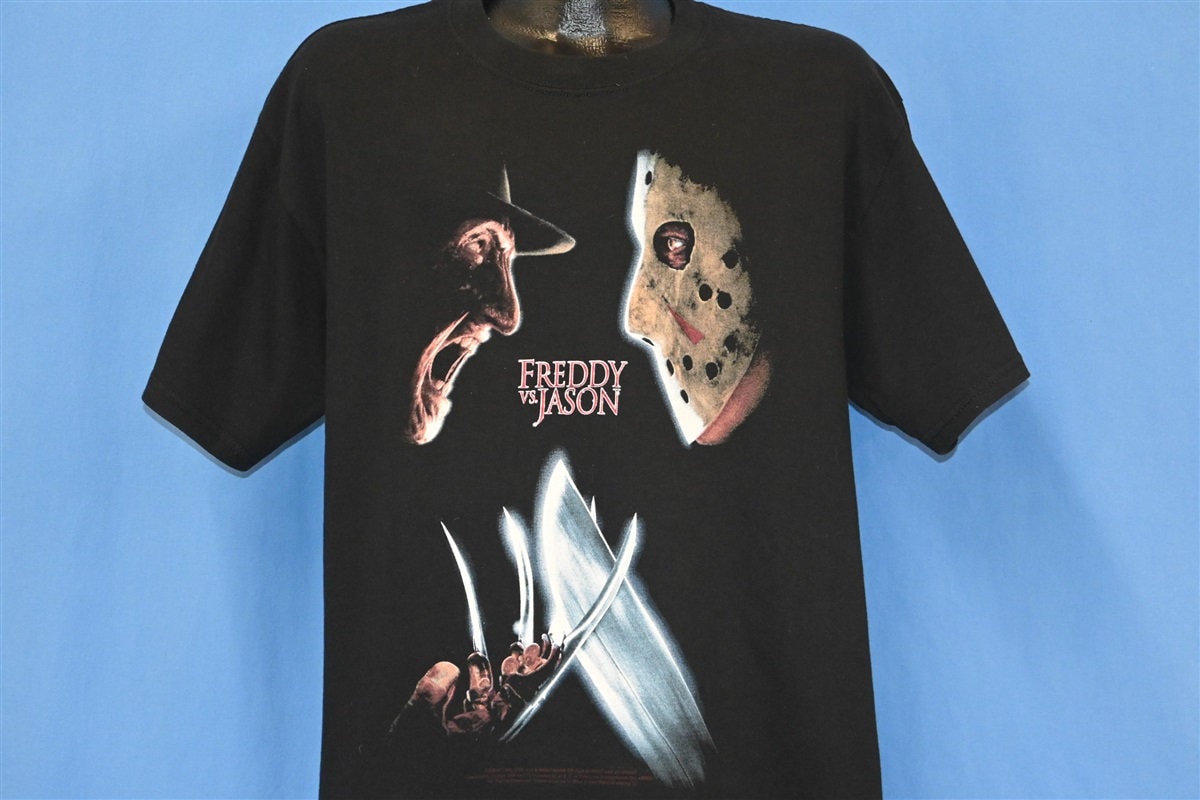 Freddy vs Jason Shirt Guide: Find the Best Designs & Top Retailers
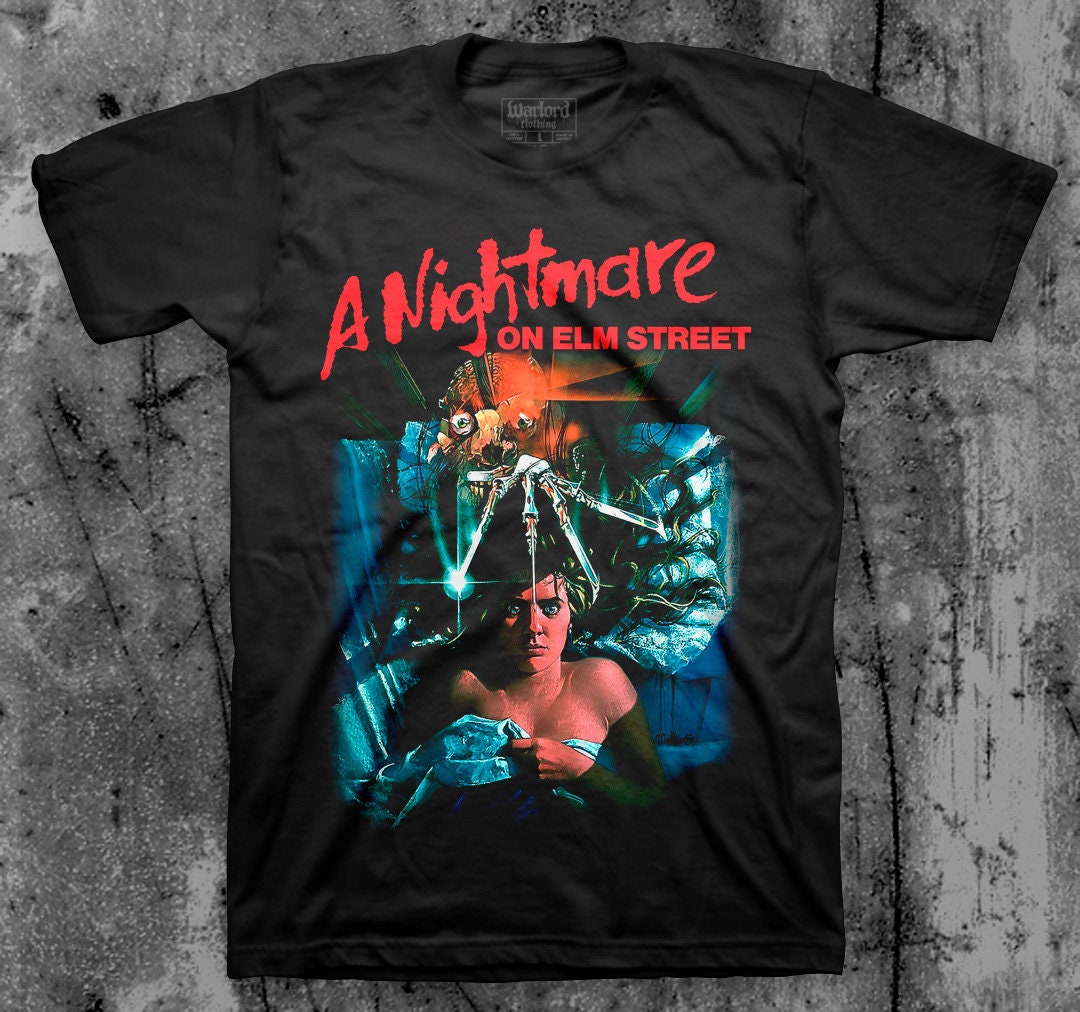 The Ultimate Guide to Nightmare on Elm Street Shirts: Designs, Trends & Collecting Tips
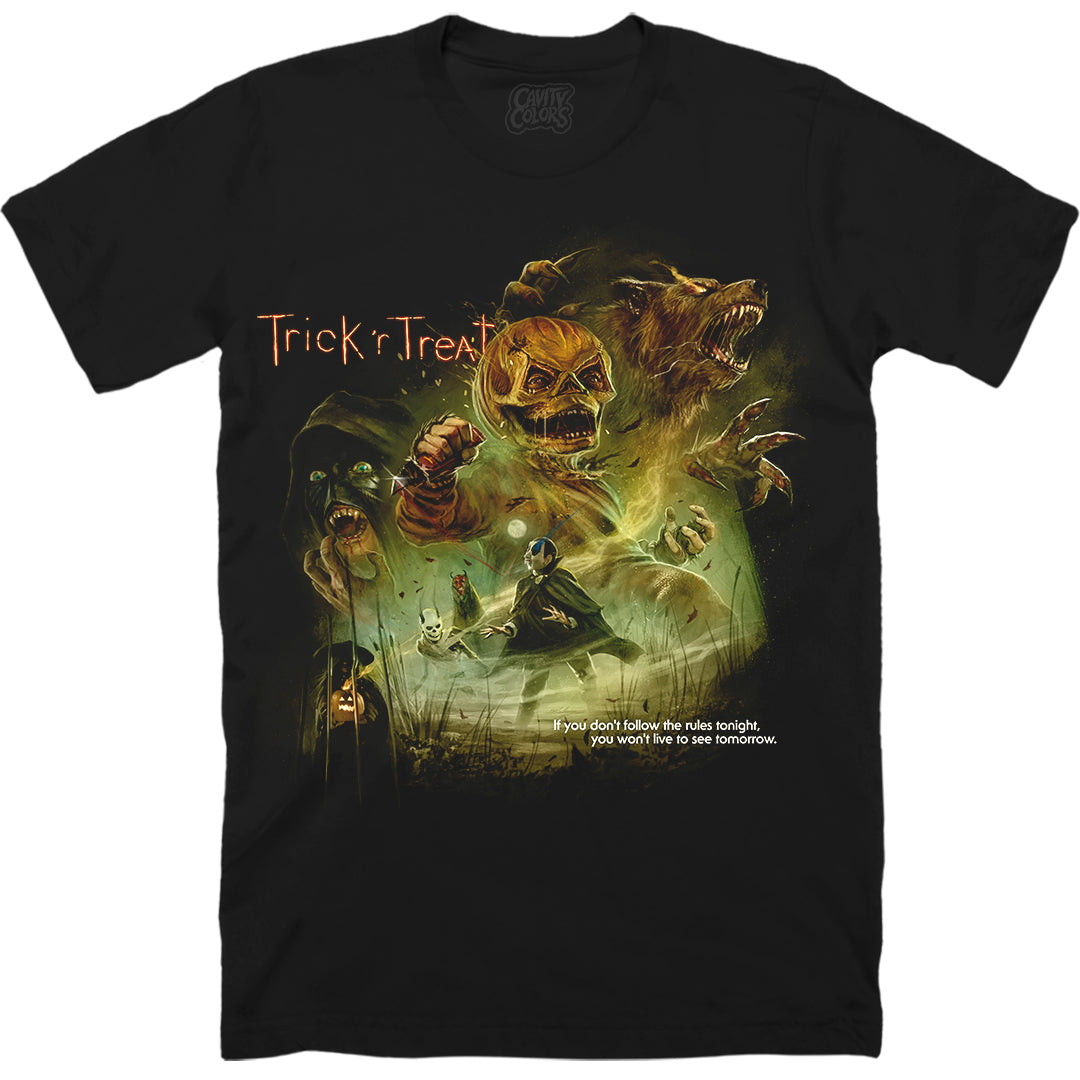 Ultimate Trick or Treat Sam Shirt Guide: Styles, Trends & Buying Tips
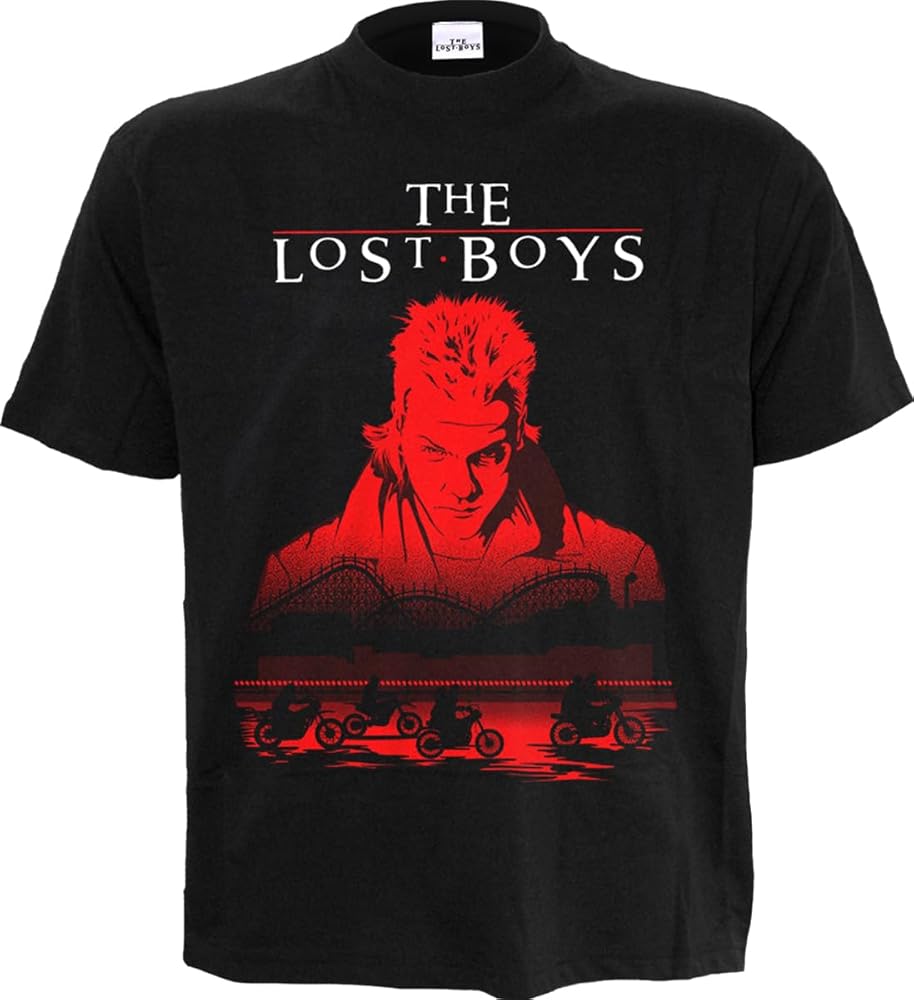 The Lost Boys Shirt: Unlock the Iconic Styles and Hidden Meanings
 Ultimate 2025 Guide to Finding the Perfect You Can’t Kill the Boogeyman Shirt
 Ghostface No You Hang Up Shirt: Ultimate Guide to Meaning, Quality & Style