

Horror Shirts
Friday the 13th Vintage Shirts: Unlock the Secrets to Collecting Gold
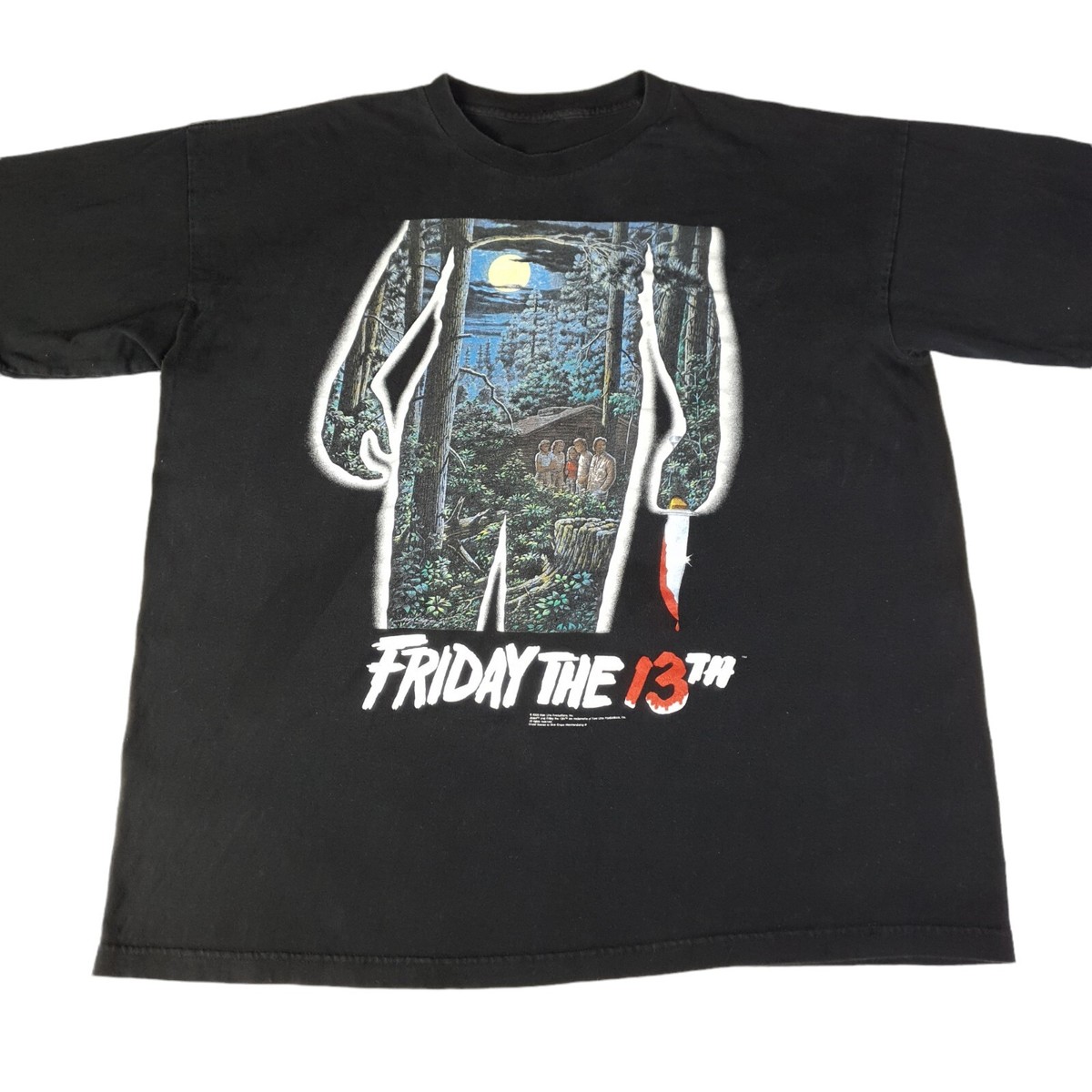
Jul
Horror memorabilia collecting has transformed from niche hobby to legitimate investment opportunity, with vintage Friday the 13th shirts emerging as particularly valuable artifacts within this specialized market. Recent auction data reveals original 1980s horror franchise apparel has appreciated 300% in value over the last decade alone, outperforming many traditional collectibles. Understanding what qualifies as “vintage” within horror apparel circles means recognizing the 20+ year threshold—typically items produced in 2005 or earlier—that distinguishes these coveted pieces from modern reproductions.
The landscape of Friday the 13th merchandise encompasses three distinct categories collectors must recognize: authentic vintage originals with documented production history, vintage-style reproductions manufactured recently with deliberate aging effects, and bootlegs that occupy their own fascinating space within collecting circles. Differentiating between these categories establishes the foundation for building a meaningful collection while avoiding common pitfalls that plague inexperienced collectors.
Those venturing into this realm should prepare to navigate authentication challenges, develop market awareness for identifying particularly valuable designs across different eras, and understand preservation techniques that maintain both physical integrity and investment value. The most sought-after pieces include original Paramount promotional shirts from 1980-1984, limited Japanese variants with exclusive artwork, and certain early 1990s New Line Cinema releases that have become increasingly scarce.
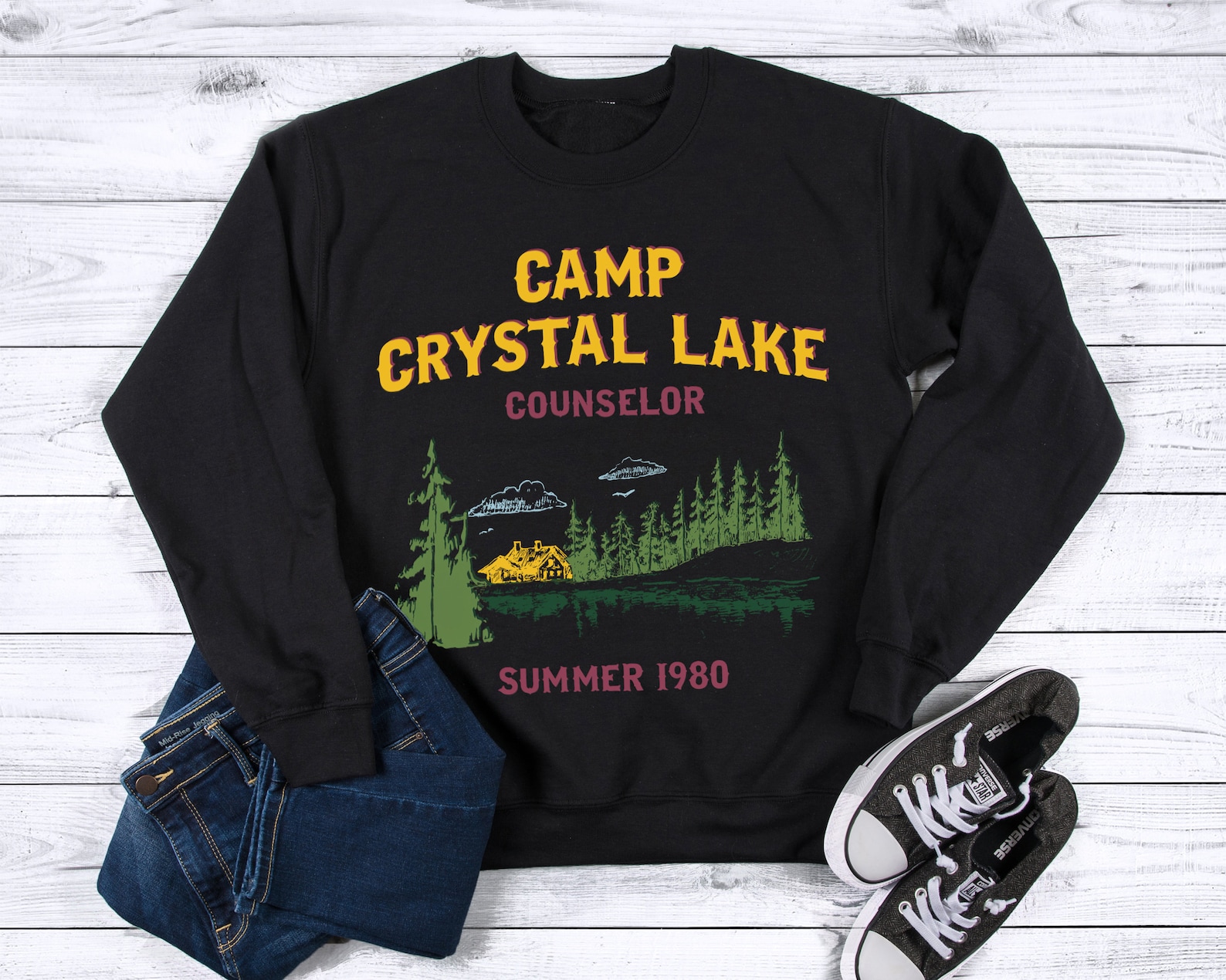
Jason Voorhees Friday the 13th Camp Crystal Lake Counselor Sweater | Horror Shirt
Wear your fascination for the macabre—straight from the haunted woods of Camp Crystal Lake.
This vintage-inspired sweater celebrates the chilling legacy of Friday the 13th with a vibrant yellow and green design, perfect for collectors and horror fans. Whether at a convention or on a cool evening, it’s a bold way to channel horror’s mysterious allure and start conversations with fellow fans.
See full details →What Makes a Shirt “Vintage”? Understanding the Three Key Categories
The term “vintage” in Friday the 13th apparel collecting carries specific meaning beyond mere age. True vintage pieces represent authentic merchandise produced during the franchise’s original theatrical releases or significant anniversaries, manufactured before 2005. These garments feature distinct production characteristics consistent with their era—specific fabric weights, printing techniques, and construction methods that changed as manufacturing evolved through the decades.
Examining an authentic vintage Friday the 13th shirt reveals characteristics impossible to perfectly replicate today. Original 1980s Paramount-licensed shirts typically featured thinner cotton blends (often 50/50 poly-cotton), single-stitched seams along collar and sleeves, and screen printing with water-based inks that have developed a distinctive patina from decades of washing and wear. The fabric itself tells a story—softer and more pliable than modern equivalents, with a distinctive hand feel that experienced collectors can identify through touch alone.
True Vintage Definition
Authentic merchandise produced contemporaneously with film releases or significant franchise moments, manufactured at least 20 years ago (pre-2005), featuring period-appropriate production methods, materials, and tags.
Vintage-style reproductions represent a different category altogether. These modern interpretations deliberately incorporate design elements and aging techniques to evoke nostalgia for original merchandise. Some brands openly market these as modern tributes to classic designs, while less scrupulous sellers might present them as authentic vintage items to uninformed buyers. Quality reproductions serve legitimate market purposes, offering accessible alternatives for those who appreciate the aesthetic without requiring investment-grade authenticity.
Vintage-Style Reproduction Definition
Contemporary merchandise manufactured recently (post-2005) incorporating design elements that mimic older styles, often including artificially distressed fabrics, faded graphics, or replica tags intended to evoke nostalgia for original merchandise.
The bootleg category exists in a fascinating gray area within horror collecting circles. Unlike most collectible markets where bootlegs are universally devalued, certain Friday the 13th bootlegs from the 1980s and 1990s have developed their own collecting community. These unauthorized productions often feature unique artistic interpretations of Jason Voorhees or creative liberties with franchise imagery that never appeared in official merchandise. Particularly sought after are bootlegs from horror conventions and regional retailers who produced limited runs outside official licensing channels.
Bootleg Definition
Unauthorized merchandise produced without licensing agreements, featuring interpretations of franchise imagery created outside official channels. Some vintage bootlegs (pre-2005) have developed significant collector value due to their unique designs and limited production.
Understanding these distinctions provides the essential foundation for authentication, as each category requires different evaluation criteria and carries vastly different market values. The reproduction market continues expanding with new manufacturers creating increasingly convincing “vintage-style” pieces, making authentication knowledge more crucial than ever for serious collectors.
Authenticating True Vintage Friday the 13th Shirts: Expert Guide
Authentication represents the most critical skill in vintage horror apparel collecting, requiring attention to multiple verification points that function together as conclusive evidence. Primary authentication begins with construction examination—the physical attributes that reveal production era more reliably than any other factor. Original 1980s shirts almost universally feature single-stitching along collar, sleeves, and bottom hem, a manufacturing standard abandoned by most producers in the mid-1990s in favor of double-stitched construction for durability. This single detail immediately eliminates numerous modern reproductions marketed deceptively as vintage.
Tag examination provides further conclusive evidence, with significant variations appearing across different production eras. Early 1980s Paramount-licensed Friday the 13th merchandise typically featured simple printed tags with minimal information, while late 1980s to early 1990s tags incorporated more detailed sizing information and fabric content. Tag fonts, graphic design elements, and manufacturing location information evolved significantly between 1980-2005, creating distinct “eras” collectors must learn to recognize. Even the method of tag attachment—whether sewn directly into seams or attached later—reveals valuable authentication information.
Material composition offers additional verification through both visual inspection and tactile assessment. Authentic vintage horror shirts from the 1980s typically utilized 50/50 cotton-polyester blends that present distinctive texture and drape impossible to replicate with modern materials. By the early 1990s, 100% cotton became more standard, but with different weave patterns than contemporary equivalents. Under magnification, fiber characteristics and weave patterns from different eras become distinguishable to experienced collectors.
Print techniques reveal particularly telling authentication evidence. Early 1980s Friday the 13th shirts employed water-based screen printing methods that penetrated fabric fibers differently than modern plastisol inks. This creates a distinctive “hand feel” where original prints maintain softness even decades later, while recent reproductions using plastisol inks create a raised surface with different texture. Additionally, authentic vintage prints develop characteristic cracking patterns from age that differ substantially from artificially distressed modern prints designed to mimic age.
Copyright information provides definitive evidence when properly analyzed. Authentic Paramount-era Friday the 13th merchandise (1980-1989) displays specific copyright language referencing “Paramount Pictures Corporation,” with date formatting evolving throughout the decade. When New Line Cinema acquired rights in the 1990s, copyright information changed accordingly. Reproductions frequently contain subtle errors in copyright text, incorrect date formats, or inconsistencies between copyright information and other production indicators.
Several reproduction “tells” allow rapid identification of inauthentic items:
- Inconsistent aging patterns where prints appear artificially distressed while fabric shows minimal wear
- Double-stitched construction combined with pre-1995 copyright dates
- Modern tag designs with vintage copyright information
- Printing over seams (uncommon in authentic vintage production)
- RN numbers on tags that don’t correspond to the correct manufacturer or time period
Experienced collectors recommend examining multiple authentication points rather than relying on any single factor. The most determinative combinations include matching copyright information with appropriate tag design, construction methods consistent with the claimed production era, and print characteristics aligned with documented manufacturing techniques from the period. When these evidence points align, authentication confidence increases substantially.
Most Valuable & Sought-After Designs: Collector’s Showcase
The hierarchy of value within vintage Friday the 13th shirt collecting revolves around specific designs that transcend standard memorabilia status to become legitimate investment pieces. Original 1980 Paramount promotional shirts distributed during the initial film release represent the apex of collector demand, with authenticated examples commanding $1,500-3,000 in excellent condition. These featured minimalist designs with the iconic “Friday the 13th” block lettering and simple imagery, produced in extremely limited quantities primarily for theater employees and promotional giveaways.
The 1982 “3D” promotional shirts created for Friday the 13th Part 3 occupy a similarly elevated position, featuring innovative holographic printing elements that reflected the film’s pioneering use of 3D theatrical presentation. These shirts utilized specialized ink technologies largely abandoned by the mid-1980s, creating a distinctive visual effect impossible to accurately reproduce with modern methods. Recent sales of authenticated examples have reached $2,800 for specimens in preserved condition.
Japanese market variants from 1982-1986 command particular attention from advanced collectors due to their distinctive artwork adaptations and limited distribution. Unlike American releases, Japanese licensees frequently commissioned unique artwork interpretations that never appeared in Western markets. The 1984 “Crystal Lake Memories” shirt produced exclusively for Japan featured hand-rendered artwork by horror illustrator Ari Lehman with subtle color variations and composition differences from any American equivalent. A preserved example sold privately between collectors in 2022 for approximately $3,200, according to collector forum documentation.
The transitional period between Paramount and New Line Cinema ownership (1989-1993) generated several highly-sought designs due to their limited production during ownership uncertainty. The 1989 “Jason Takes Manhattan” theatrical staff shirts, produced in quantities under 500, featured location-specific artwork reflecting New York landmarks incorporated into franchise imagery. Their limited production combined with the film’s poor commercial performance created inadvertent rarity, with recent auction results placing value between $800-1,200 depending on condition.
Beyond specific designs, certain characteristics significantly influence collector value regardless of particular imagery. Shirts definitively connected to production crew through provenance documentation command premium prices, especially when associated with specific actors or directors. Original merchandise featuring artwork that was subsequently altered due to controversy or licensing concerns—such as early designs incorporating unauthorized hockey mask imagery later modified for legal reasons—represent another value-driving category.
Celebrity connections further elevate certain pieces beyond standard collecting categories. The 1986 promotional shirt worn by Tom Savini during convention appearances has achieved legendary status after being photographed extensively during his makeup demonstration tour. While identical shirts without provenance typically command $600-800, the Savini-worn example sold at horror memorabilia auction for $4,700 in 2021, demonstrating the substantial premium attached to significant provenance.
Understanding these value patterns enables collectors to make informed acquisition decisions that balance personal appreciation with investment potential. The most knowledgeable collectors concentrate on pieces combining multiple desirable elements—limited production, significant franchise connection, distinguished artwork, and documented provenance—creating a focused collection strategy rather than accumulating random franchise items.
How to Find & Purchase Authentic Vintage Shirts
The marketplace for vintage Friday the 13th shirts spans diverse platforms, each offering distinct advantages and requiring specific evaluation strategies. Specialized horror memorabilia auction houses represent the highest confidence acquisition channel, with established operations like Heritage Horror Auctions and Prop Store Collectibles employing authentication experts to verify merchandise before listing. While commanding premium prices reflecting this authentication assurance—typically 20-30% above private market values—these platforms provide transaction protection and detailed provenance documentation justifying the investment.
Online marketplaces require substantially more buyer diligence but offer broader selection and potentially advantageous pricing. eBay remains the largest marketplace by volume, though authenticity verification falls entirely to the buyer. Successful eBay navigation demands thorough examination of seller history, detailed photo assessment, and direct communication requesting specific authentication evidence. Specialized vintage clothing platforms like Grailed and Depop increasingly feature horror memorabilia with stronger seller verification systems, though still requiring buyer expertise for final authentication.
Horror conventions present unique acquisition opportunities combining in-person authentication advantages with networking possibilities among specialized collectors. Major events like Monsterpalooza, Texas Frightmare Weekend, and Horror Hound Weekend feature dedicated vintage memorabilia sections where physical examination removes many authentication barriers present in online transactions. Additionally, these venues facilitate connections with knowledgeable collectors who frequently conduct private sales outside conventional marketplaces.
Evaluating seller credibility remains essential regardless of platform. Beyond transaction history and reviews, knowledgeable sellers demonstrate specific authentication awareness through listing descriptions that address construction details, tag characteristics, and print techniques without prompting. Reputable sellers willingly provide additional close-up photos of authentication points upon request and disclose any condition issues with transparent documentation.
Several red flags signal potential authenticity concerns requiring additional scrutiny:
- Listings describing items as “vintage style” or “vintage inspired” rather than definitively vintage
- Reluctance to provide detailed tag and construction photos
- Inconsistent aging patterns where graphics appear artificially distressed
- Multiple identical “vintage” items available from the same seller
- Pricing substantially below established market values for comparable authenticated items
Price expectations vary significantly based on design, condition, and authentication confidence. Entry-level collecting begins around $150-250 for basic 1990s designs with moderate wear, while prominent 1980s designs in preserved condition typically command $400-800. Museum-quality early promotional items with documentation can exceed $2,000, with certain rarities reaching $3,000-5,000 among specialized collectors. Condition significantly impacts valuation, with unworn examples commanding 40-60% premiums over worn counterparts with identical design and authentication characteristics.
Strategic negotiation focuses on authentication rather than arbitrary price reduction. Knowledgeable buyers request specific authentication evidence, making reasonable offers reflecting actual condition and authentication confidence rather than arbitrary discounting. This approach demonstrates collecting expertise while establishing mutually respectful transaction relationships that may lead to future acquisition opportunities within collector networks.
Caring for Your Vintage Collection: Preservation & Display Methods
Preservation strategy begins immediately upon acquisition, with initial cleaning decisions potentially affecting long-term integrity and value. Authentic vintage Friday the 13th shirts require specialized cleaning approaches that differ substantially from modern garment care. Hand washing represents the safest method, using cold water and mild detergent formulations specifically designed for vintage textiles—products like Retro Clean and Heritage Garment Wash avoid harsh enzymes that can damage aged fibers and printing.
The washing technique itself requires careful attention: gentle agitation without wringing or twisting, which can stress fragile seams and accelerate print deterioration. For particularly valuable pieces, some advanced collectors employ specialized conservation approaches adapted from museum textile preservation—spot cleaning limited to stained areas while avoiding unnecessary washing of unstained sections, maintaining original characteristics that constitute part of the garment’s historical integrity.
Proper drying techniques prove equally important for preservation. Air drying on non-metal surfaces prevents stretching and distortion, with garments placed flat rather than hung to prevent gravity-induced stretching of wet fabrics. Direct sunlight must be avoided during drying, as UV exposure accelerates color degradation particularly in early water-based prints. Even brief sunlight exposure during drying can initiate cumulative damage processes affecting long-term preservation.
Storage environment creates the foundation for long-term conservation. Acid-free tissue provides the ideal buffer between folded garments, preventing transfer of residual oils or printing compounds between surfaces. Temperature stability significantly impacts preservation, with fluctuations accelerating deterioration processes—optimal storage maintains consistent 65-70°F (18-21°C) temperatures with 45-55% relative humidity. Museum-grade archival boxes provide additional protection from environmental contaminants while allowing minimal air circulation necessary to prevent moisture accumulation.
Display methods balance appreciation with preservation concerns. UV-filtering frames represent the gold standard for wall display, incorporating conservation-grade materials that prevent light damage while enabling visual appreciation. For occasional wearing of less valuable pieces, collectors recommend limited exposure—typically 1-2 wearings annually—followed by immediate cleaning and return to archival storage. This balanced approach allows enjoyment while maintaining investment value.
Restoration presents complex considerations within vintage horror collecting. Unlike some collectible categories where restoration diminishes value, strategic conservation can actually enhance long-term investment potential when properly documented. Minor stabilization of seams using period-appropriate thread or gentle reinforcement of fragile areas can prevent catastrophic damage without compromising authenticity. However, significant alterations or printing touch-ups generally diminish collector value regardless of execution quality.
For severely damaged pieces with significant historical importance, professional textile conservation represents the appropriate intervention. Specialists utilizing museum-grade techniques can stabilize deterioration while documenting all interventions—this transparent approach preserves maximum value while ensuring physical longevity. Respected conservation resources include the Textile Conservation Workshop and the American Institute for Conservation, both maintaining referral networks for qualified specialists experienced with vintage apparel preservation.
Evolution of Friday the 13th Merchandise: A Brief History
The merchandise evolution of Friday the 13th parallels the franchise’s development from unexpected 1980 sleeper hit to global horror phenomenon. Initial merchandise appeared with minimal corporate planning—the surprised response to the original film’s massive profitability meant early promotional items were hastily produced with limited oversight. This first wave (1980-1982) consisted primarily of theater promotional materials adapted for merchandise, featuring simple graphics with the distinctive title treatment against black backgrounds. These earliest items were produced by companies like Trends International and Kenner, which had existing promotional merchandise infrastructure rather than dedicated horror product experience.
The franchise’s rapid expansion through sequels prompted more sophisticated merchandise development from 1983-1987, with Paramount establishing formal licensing programs as financial success continued. This era introduced product art direction exceeding mere promotional function, with designs created specifically for merchandise rather than adapted from existing marketing materials. Notable licensing partnerships included Wizard Video, which secured apparel rights for Part 3 and Part 4, introducing embellished graphic techniques including puff-print and metallic ink applications that distinguish this era’s products.
Production methods evolved substantially during this period. Early 1980s shirts utilized primarily plastisol and water-based screen printing on standard cotton/polyester blend shirts sourced from manufacturers like Stedman and Hanes. By the mid-1980s, merchandise quality increased with thicker fabric specifications and more complex printing techniques, including early experiments with heat transfer processes that allowed more photographic reproduction quality.
The 1988-1993 phase represented a transitional period as franchise rights transferred from Paramount to New Line Cinema, creating a fragmented licensing landscape where multiple companies produced merchandise under different agreement structures. This period generated interesting collector anomalies—some items feature hybrid branding or transitional copyright information reflecting the complicated legal status during rights negotiations. Merchandise quality varied dramatically during this transition, creating collecting subcategories based on manufacturer quality rather than pure chronology.
The New Line consolidation period (1993-2003) brought standardized merchandising approaches with formal style guides and stricter quality control. This era introduced more sophisticated production including embroidery, specialized fabric treatments, and more diverse product formats beyond standard t-shirts. Collector value typically decreases for items from this period due to larger production quantities and more standardized designs, though certain limited promotional releases maintain significant value.
Understanding this production evolution provides context for authentication and valuation. The manufacturing inconsistencies of early eras actually help verify authenticity through documented variations, while the standardization of later periods creates different authentication challenges. Knowledge of when specific production techniques were introduced into the merchandise ecosystem provides critical timeline verification that separates authentic vintage pieces from modern reproductions, regardless of intentional aging or distressing.
Friday the 13th Shirt Sizing, Materials & Fit Guide
Sizing conventions underwent significant evolution throughout the production history of Friday the 13th merchandise, creating challenges for collectors accustomed to modern standardization. Early 1980s promotional shirts followed considerably different sizing standards than contemporary equivalents—a 1980s “Large” typically measures equivalent to modern “Medium” or even “Small” in some dimensions. This variation reflects both the changing demographics of clothing consumers and evolving fit preferences over four decades.
Comparative measurements reveal consistent patterns across authentic vintage pieces. Original 1980-1984 Paramount promotional shirts in size Large typically feature 19-20 inch (48-51 cm) chest width measured flat across front, compared to 21-22 inch (53-56 cm) measurements for modern Large shirts. Sleeve and body lengths show even more dramatic differences, with vintage pieces averaging 2-3 inches (5-7.5 cm) shorter in both dimensions than contemporary equivalents labeled with identical sizing.
Material composition provides another critical dimension for both authentication and wear expectations. The earliest Friday the 13th merchandise (1980-1985) predominantly utilized 50/50 cotton-polyester blends weighing approximately 140-150 gsm—noticeably thinner than modern equivalents. These blends create distinctive wear characteristics including specific fading patterns and dimensional stability different from both all-cotton vintage shirts and modern reproductions. By the late 1980s, material composition shifted toward higher cotton content (typically 80/20 or 90/10 cotton-poly blends) while maintaining similar weight characteristics.
The early 1990s introduced 100% cotton construction becoming standard for licensed merchandise, coinciding with broader industry trends toward all-cotton garments. These 100% cotton shirts from 1990-1995 generally featured 160-180 gsm weights—still lighter than premium modern equivalents but heavier than previous blend compositions. This material evolution creates distinct wear characteristics, with different stretching, shrinkage, and fading patterns distinguishable to experienced collectors.
Fit profiles changed substantially across production eras. Early 1980s merchandise featured shorter, more fitted cuts typical of the period’s fashion standards. By the 1990s, sizing evolved toward the looser, longer proportions that dominated casual apparel during that decade. Understanding these fit differences helps collectors both authenticate pieces and select appropriate sizes when purchasing vintage items for wearing rather than display purposes.
For collectors planning to wear vintage acquisitions, sizing adjustments become necessary based on production era. As general guidance:– For 1980-1985 merchandise: Purchase 1-2 sizes larger than modern sizing– For 1986-1995 merchandise: Purchase 1 size larger than modern sizing– For 1996-2005 merchandise: Minimal adjustment necessary, though still typically slimmer cut than modern equivalents
Shrinkage expectations also vary by era and material composition. The 50/50 blends predominant in early merchandise maintain dimensional stability even after decades of washing, with minimal additional shrinkage expected. Pure cotton shirts from the 1990s, however, may experience 5-10% additional shrinkage if washed improperly, particularly those that haven’t been commercially washed for extended periods.
Modern Alternatives: Quality Vintage-Inspired Options
Today’s market offers compelling alternatives for enthusiasts who appreciate vintage horror aesthetics but cannot access or afford investment-grade originals. Several specialized manufacturers have developed precisely engineered reproductions that capture authentic vintage characteristics while incorporating modern quality standards. These alternatives serve distinct purposes within collecting communities—providing accessible entry points for new enthusiasts, offering wearable versions of fragile museum-grade originals, and preserving design heritage that might otherwise disappear.
Creepy Co. has established a reputation for meticulously researched reproductions focusing on material authenticity. Their “Heritage Collection” reproduces specific Friday the 13th designs using period-appropriate fabric weights (typically 145-160 gsm cotton/poly blends) and water-based inks that replicate the soft hand feel of originals. Unlike deceptive reproductions, these pieces are clearly labeled as contemporary productions while maintaining remarkable fidelity to vintage specifications, earning respect from serious collectors as appropriate “wearable alternatives” to fragile originals.
Terror Threads approaches reproduction from the artist-collaboration perspective, partnering with original franchise artists to recreate designs never widely produced during initial release. Their partnerships with original Paramount marketing illustrators have generated legitimate “alternative timeline” pieces representing what might have existed if production capabilities had matched creative vision. These collaborations typically expand on limited original concepts with artist-approved elaborations, creating hybrid pieces that honor original design intent while incorporating modern production quality.
The bootleg aesthetic has developed its own legitimate reproduction market, with manufacturers like Fright Rags embracing the unauthorized creative interpretations that characterized 1980s bootleg merchandise. Rather than reproducing specific historical bootlegs, these manufacturers capture the spirit of creative freedom characterizing that era—unusual color combinations, imaginative graphic interpretations, and design elements that would never appear in licensed merchandise. This approach creates spiritual successors to vintage bootlegs rather than direct reproductions.
Smaller specialty producers focus on limited production quantities that mirror the scarcity of vintage originals. Cold Print Merchandise intentionally limits production runs to 100-200 pieces per design, creating artificial scarcity that appeals to collectors while maintaining clear differentiation from authentic vintage through transparent manufacturing disclosure. This approach has generated interest among collectors who appreciate the “limited edition” aspect of vintage collecting without the authentication challenges.
Quality modern reproductions share several characteristics distinguishing them from deceptive counterfeits. Transparent labeling represents the primary ethical standard, with respected manufacturers clearly identifying modern production rather than attempting to mislead through artificial aging or fake vintage tags. Material quality typically exceeds original specifications, with premium cotton weights of 180-220 gsm offering superior durability while maintaining vintage-appropriate aesthetics.
Awcaseus represents a distinctive approach within this landscape, utilizing premium 250-280 gsm cotton that exceeds even high-end reproduction standards. Their signature fabric foundation provides exceptional structure and durability while specialized printing techniques create subtle gradient effects reminiscent of naturally aged vintage prints. Rather than attempting direct reproduction, Awcaseus designs interpret vintage horror aesthetics through contemporary technical capabilities, creating pieces that honor collecting tradition while establishing their own identity through material excellence.
For collectors navigating reproduction options, evaluating manufacturing philosophy proves more important than specific design details. Ethical manufacturers welcome transparency questions, readily sharing production specifications and design inspiration without defensive responses. This open approach builds credibility within collecting communities, distinguishing legitimate tribute pieces from deceptive counterfeits attempting to exploit authentication confusion.
Collector Communities & Resources: Where to Learn More
The collective knowledge within specialized Friday the 13th collecting communities exceeds any individual resource, making community engagement essential for serious collectors. Several online platforms have emerged as primary knowledge repositories where authentication techniques, market valuations, and historical documentation are collaboratively maintained. The Friday the 13th Memorabilia Collectors Facebook group, with over 12,000 members, functions as the largest active community, hosting weekly authentication discussions where members submit recent acquisitions for collective examination. This peer-review process has developed sophisticated authentication protocols through thousands of comparative analyses.
Reddit’s r/VintageHorror subreddit offers another valuable community resource, particularly for market value discussions that might be restricted in other venues. The anonymity allows more transparent price reporting than platforms where sellers actively participate, providing realistic recent transaction data essential for informed acquisition decisions. Their monthly “Recent Sales Roundup” threads document authenticated transactions across multiple platforms, creating a reliable value index for specific designs and conditions.
Beyond online communities, several print resources provide foundational knowledge for serious collectors. Matthew Edwards’ “The Friday the 13th Film and Merchandise Legacy” (Midnight Media Publishing, 2018) offers the most comprehensive documentation of franchise merchandise history, including detailed production timelines and manufacturer identification spanning 1980-2005. While not focused exclusively on apparel, its manufacturing history sections provide essential context for understanding production evolution. Peter Bracke’s “Crystal Lake Memories: The Complete History of Friday the 13th” includes a significant section on promotional merchandise that documents several previously unknown limited production items through production company archives.
Notable dealers with established authentication expertise represent another valuable resource beyond their commercial function. Deadstock Vintage Gallery in Portland maintains a public authentication guide specifically for 1980s horror merchandise, including microscopy images of printing techniques and material compositions from verified examples. Their reference collection remains accessible to serious researchers by appointment, offering hands-on examination opportunities for authentication training. Similarly, Final Cut Vintage in Philadelphia hosts quarterly “Authentication Workshops” where collectors can bring items for expert examination while learning evaluation techniques applicable to future acquisitions.
Specialty auction houses also contribute to collective knowledge through detailed catalog documentation. Heritage Auctions’ Horror memorabilia division publishes comprehensive lot descriptions including construction details, provenance research, and condition grading scales specific to vintage textiles. Even without participating in auctions, these catalogs provide valuable reference standards for authentication and valuation.
For conservation and preservation guidance, resources extend beyond the horror collecting community. The Smithsonian’s Textile Preservation Guidelines, while developed for museum collections, offer directly applicable techniques for private collectors facing similar preservation challenges. Their publication “Preventative Conservation for Historic Houses and Private Collections” includes specific sections on vintage textiles that translate seamlessly to horror memorabilia preservation.
Collectors seeking in-person community should prioritize specialized conventions rather than general horror events. The Vintage Horror Collectors Expo, held annually in Chicago, focuses exclusively on pre-2000 memorabilia with dedicated authentication seminars and specialized dealer participation. Similarly, the Horror Memorabilia Exchange events organized quarterly in rotating cities create temporary marketplaces specifically for vintage horror collectibles, combining commerce with educational programming focused on authentication and preservation.
Frequently Asked Questions: Expert Answers
How can I definitively distinguish between true vintage Friday the 13th shirts and skilled reproductions?
Authentication requires multiple convergent evidence points rather than any single characteristic. Examine construction methods first—authentic pre-1990s pieces almost universally feature single-stitched collars and hems, a manufacturing standard abandoned by the mid-1990s. Next, evaluate tag design against documented examples from each era, noting font styles, sizing format, and RN number registration. Finally, inspect print characteristics under magnification—authentic vintage water-based inks penetrate fabric fibers differently than modern prints, creating distinctive wear patterns impossible to artificially replicate. When these multiple factors align consistently with documented production standards from the claimed era, authentication confidence increases substantially.
Do bootleg Friday the 13th shirts have legitimate collector value?
Unlike most collectible categories, certain vintage bootlegs from the 1980s-early 1990s have developed significant legitimate value within horror collecting communities. Particularly sought after are convention bootlegs featuring unauthorized artistic interpretations that never appeared in official merchandise. The “Crystal Lake Counselor” designs from early 1980s horror conventions command $400-600 when authenticated to that era, despite their unauthorized production. However, modern bootlegs lack this collector recognition, representing merely unauthorized reproductions without historical significance. Authentication standards remain identical for evaluating bootleg age—construction methods, materials, and print techniques must align with claimed production period.
What should I reasonably expect to pay for different categories of authentic vintage shirts?
Market values follow relatively consistent patterns based on era and design significance. Entry-level vintage pieces—typically late 1980s/early 1990s standard designs with moderate wear—generally range $150-250. Mid-tier collectibles including early promotional designs in good condition typically command $400-800. Investment-grade pieces—including earliest promotional items, crew shirts with documentation, and Japanese exclusives in preserved condition—regularly exceed $1,000, with particularly significant examples reaching $3,000-5,000 among specialized collectors. Prices have increased approximately 15-20% annually over the past five years, significantly outpacing general apparel collectibles, reflecting growing recognition of horror memorabilia as legitimate investment vehicles.
What’s the difference between single-stitch and double-stitch construction, and why does it matter?
Single-stitching refers to construction using a single row of stitches along collar, sleeve ends, and bottom hem—the standard manufacturing approach through approximately 1995. Double-stitching incorporates parallel stitch rows for reinforcement, becoming industry standard by the late 1990s. This construction evolution provides critical authentication evidence, as finding double-stitched construction on items claiming 1980s-early 1990s production immediately signals reproduction. However, single-stitching alone doesn’t guarantee authenticity, as reproduction manufacturers increasingly incorporate this detail—it represents necessary but insufficient authentication evidence requiring correlation with other period-appropriate characteristics.
Why are Japanese variants often more valuable than domestic releases?
Several factors drive premium valuation for Japanese Friday the 13th merchandise. Primary among these is design exclusivity—Japanese licensees frequently commissioned completely different artwork rather than simply translating American designs, creating genuinely unique items rather than mere variants. Production quality typically exceeded American counterparts, with Japanese manufacturers utilizing higher fabric standards and more sophisticated printing techniques. Limited production quantities further enhance scarcity, as Japanese horror markets represented niche categories receiving significantly smaller manufacturing runs. Finally, lower survival rates resulting from minimal foreign collector awareness until recently meant fewer preserved examples, creating extreme scarcity for museum-quality specimens.
How can I safely remove stains from valuable vintage shirts without damaging the print?
Conservation-grade cleaning requires fundamentally different approaches for vintage textiles versus modern garments. Begin with precise spot identification using only cotton swabs and distilled water to determine stain composition. For organic stains, create a mild enzyme solution using conservation-grade textile cleaners (such as Orvus WA Paste diluted to 1% concentration), applying only to stained areas with soft brush rather than immersion. Allow controlled dwell time (3-5 minutes maximum) followed by thorough rinsing with distilled water. For oil-based stains, cornstarch application followed by gentle brushing after 24 hours often succeeds without liquid intervention. Never use commercial stain removers, bleach, or conventional detergents on investment-grade vintage pieces, as these invariably cause collateral damage exceeding the original stain impact.
Are shirts with faded or cracked graphics less valuable, or does aging enhance authenticity?
Natural aging characteristics generally support rather than detract from vintage authentication, though excessive deterioration impacts value differently across collector segments. Moderate wear patterns consistent with age—subtle fading, minor cracking along normal fold lines, gentle softening of print edges—often enhance authentication confidence by demonstrating natural aging processes. Museum-focused collectors seeking preservation specimens still value unworn examples highest, while wearable vintage collectors often prefer naturally aged pieces showing appropriate wear without significant design compromise. The least desirable condition involves inconsistent damage patterns suggesting improper storage rather than natural aging—concentrated damage from folding, arbitrary cracking from improper washing, or irregular fading from partial sun exposure.
Awcaseus Friday the 13th Collection: Premium Quality Meets Classic Horror
The Awcaseus approach to horror-themed apparel represents a distinct philosophy within the vintage-inspired landscape, prioritizing material excellence as the foundation for design longevity. Rather than pursuing exact reproduction or artificial aging effects, their Friday the 13th collection interprets classic horror aesthetics through contemporary craftsmanship standards. The resulting pieces occupy a unique position—honoring vintage collecting traditions while establishing their own identity through exceptional physical quality.
This foundation begins with premium cotton fabric selection—250-280gsm weight significantly exceeding both vintage originals (typically 140-160gsm) and standard reproductions (180-220gsm). This deliberate material choice creates structured garments with architectural presence and exceptional durability. Each cotton source undergoes pre-treatment processes that minimize shrinkage and pilling, addressing the primary degradation issues that plague authentic vintage pieces over time.
Their proprietary silk-screen printing technique employs water-based eco-friendly inks that penetrate fabric fibers rather than merely coating the surface. This approach creates prints with exceptional durability while maintaining the soft hand-feel collectors associate with properly aged vintage pieces. The specialized application method allows refined gradient effects evoking the subtle fading patterns of naturally aged vintage prints without artificial distressing or deliberate degradation.
The balanced design aesthetic incorporates recognizable franchise elements while avoiding the excessive graphic elaboration common in contemporary horror merchandise. This restrained approach aligns with the authentic vintage aesthetic, where production limitations created inherently minimalist designs that have aged more gracefully than elaborate graphics from later eras. The resulting collection offers accessible entry into horror apparel collecting without the authentication challenges or preservation concerns associated with investment-grade vintage pieces.
For collectors incorporating these pieces alongside authentic vintage items, the complementary quality creates cohesive collection expansion rather than obvious reproduction juxtaposition. The substantial fabric foundation, structured silhouette, and refined printing approach share more philosophy with high-end vintage clothing than with typical contemporary merchandise, making Awcaseus pieces natural companions to authenticated collection cornerstones. This quality-focused approach has earned recognition within collecting communities as a legitimate contribution to horror apparel tradition rather than merely exploiting nostalgia through superficial aesthetic mimicry.

At Awcaseus, we create more than t-shirts — we craft statements. Inspired by urban stillness and modern philosophy, our pieces combine premium fabrics, structured fits, and abstract graphics. Every design is a reflection of thought, identity, and quiet confidence. Awcaseus is where fashion becomes a voice — and you wear the future.
Related posts:
 Freddy vs Jason Shirt Guide: Find the Best Designs & Top Retailers
 The Ultimate Guide to Nightmare on Elm Street Shirts: Designs, Trends & Collecting Tips
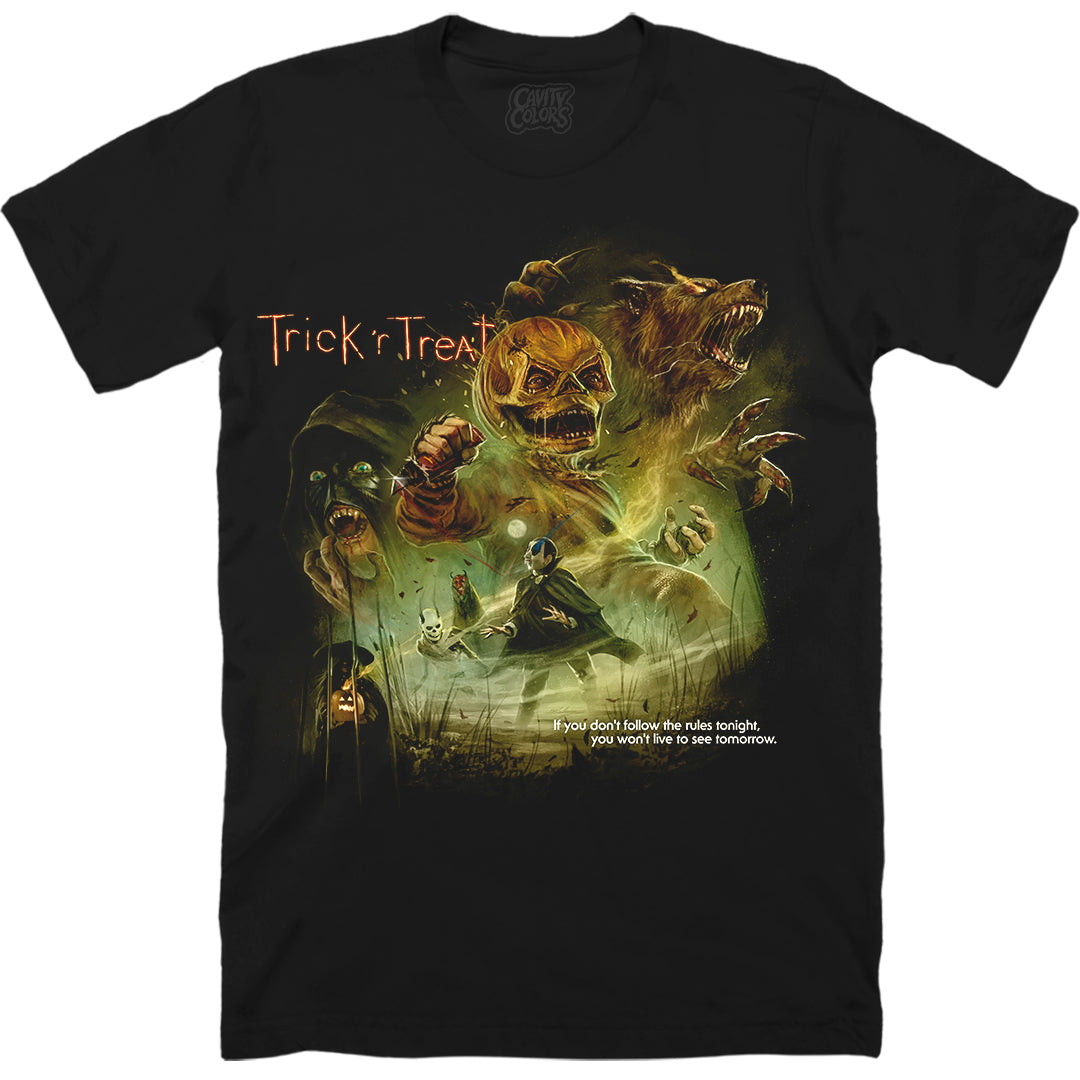 Ultimate Trick or Treat Sam Shirt Guide: Styles, Trends & Buying Tips
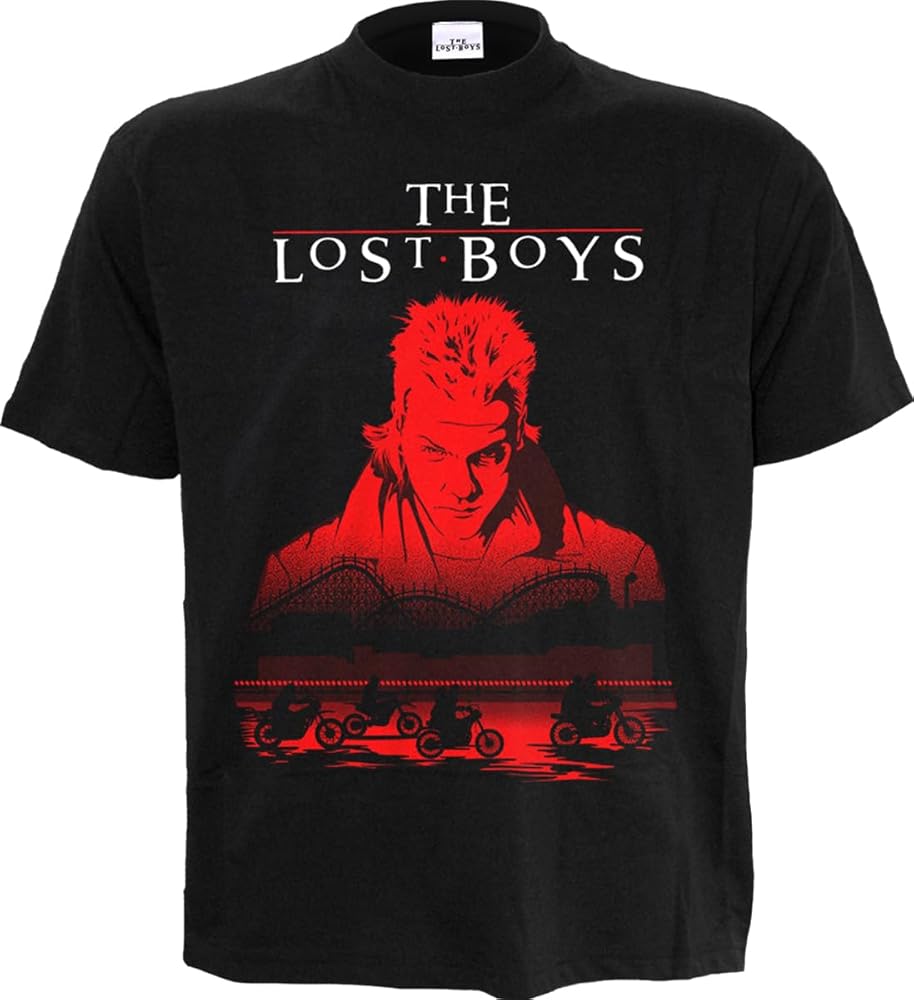 The Lost Boys Shirt: Unlock the Iconic Styles and Hidden Meanings
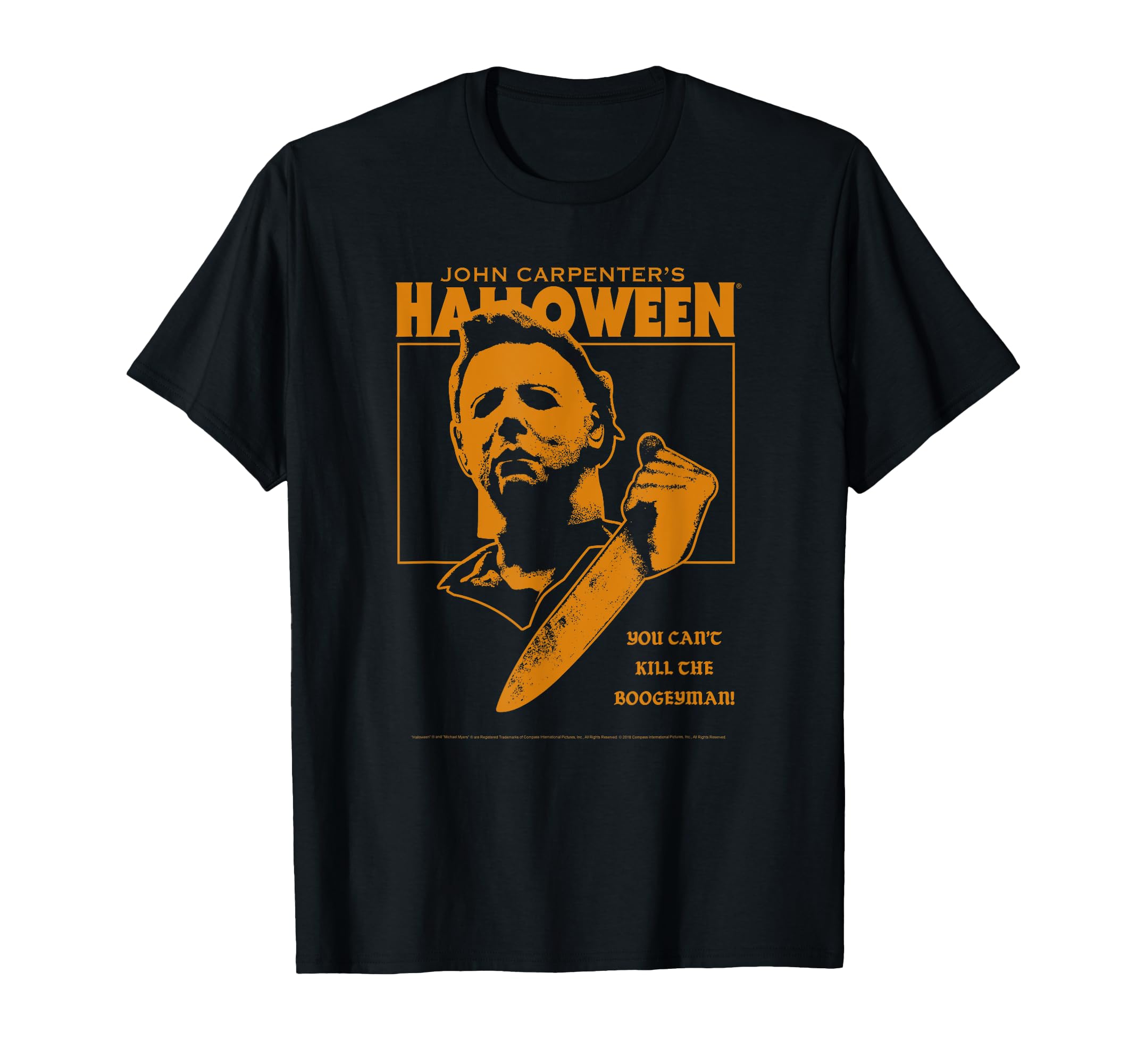 Ultimate 2025 Guide to Finding the Perfect You Can’t Kill the Boogeyman Shirt
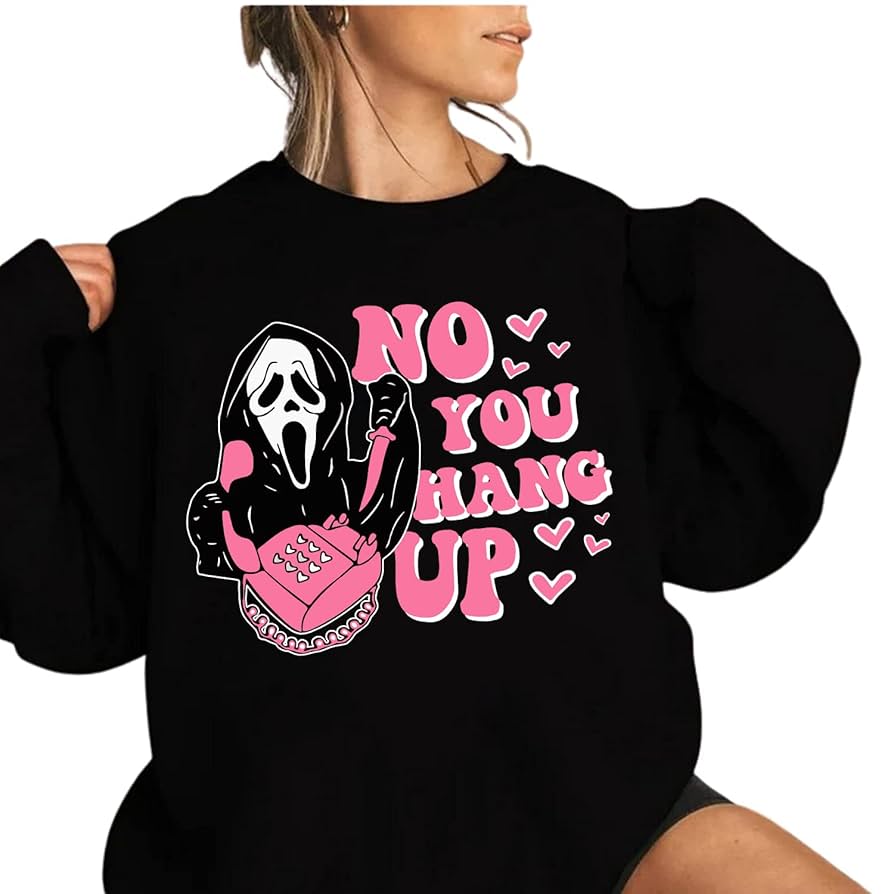 Ghostface No You Hang Up Shirt: Ultimate Guide to Meaning, Quality & Style